
Exciting new series on “Voice, Body and Movement for Lawyers – How to connect with the jury and find Justice Through Dramatic Technique!”
Click here to find out more
Insurance bad faith claims can increase litigation risks for insurers. The claims are often tort rather than contract based. In some jurisdictions, even punitive damages are in play. Where possible, it is advisable that insurers try to eliminate such claims before trial, or determine whether they will face a bad faith claim before a jury. In many cases, there are opportunities for an insurer to try to defeat bad faith claims as a matter of law, on a motion to dismiss or demurrer, motion for summary judgment, or motion in limine.
This program explores techniques for litigating bad faith cases with an eye towards having the bad faith claim determined as a matter of law.

New York City’s new Non-Primary Residence Property Surcharge—commonly known as the pied-...

The practice of law places legal professionals under extraordinary and often chronic stress, making ...
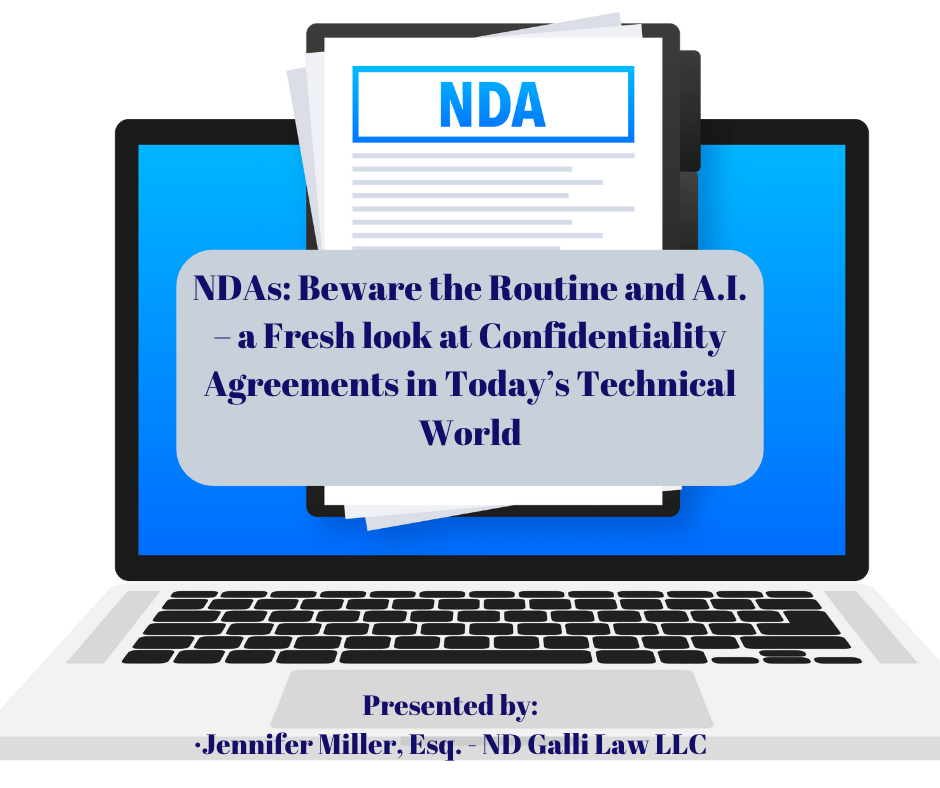
Confidentiality Agreements (also called NDAs) are too often treated as routine. So routine, th...
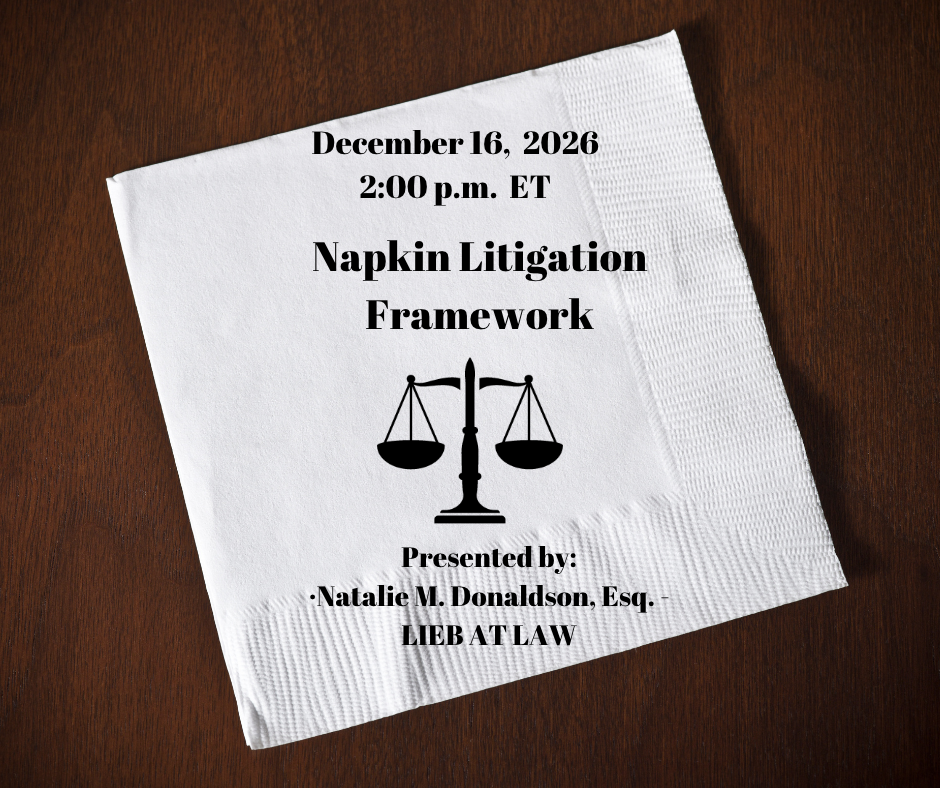
Business disputes involving closely held companies, partnerships, shareholders, and informal busines...
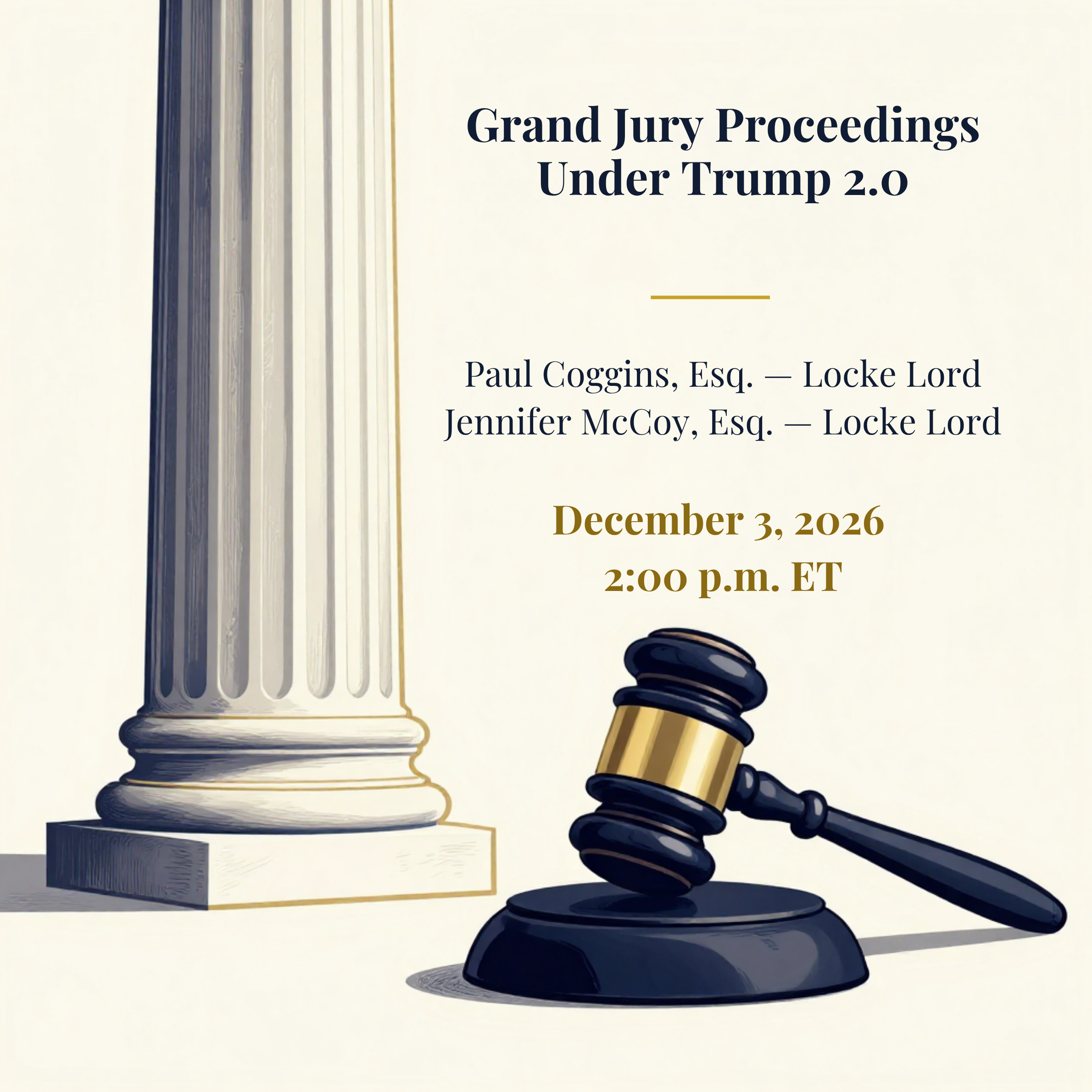
The bar that grand jury targets face in challenging a grand jury subpoena or seeking access to a gra...
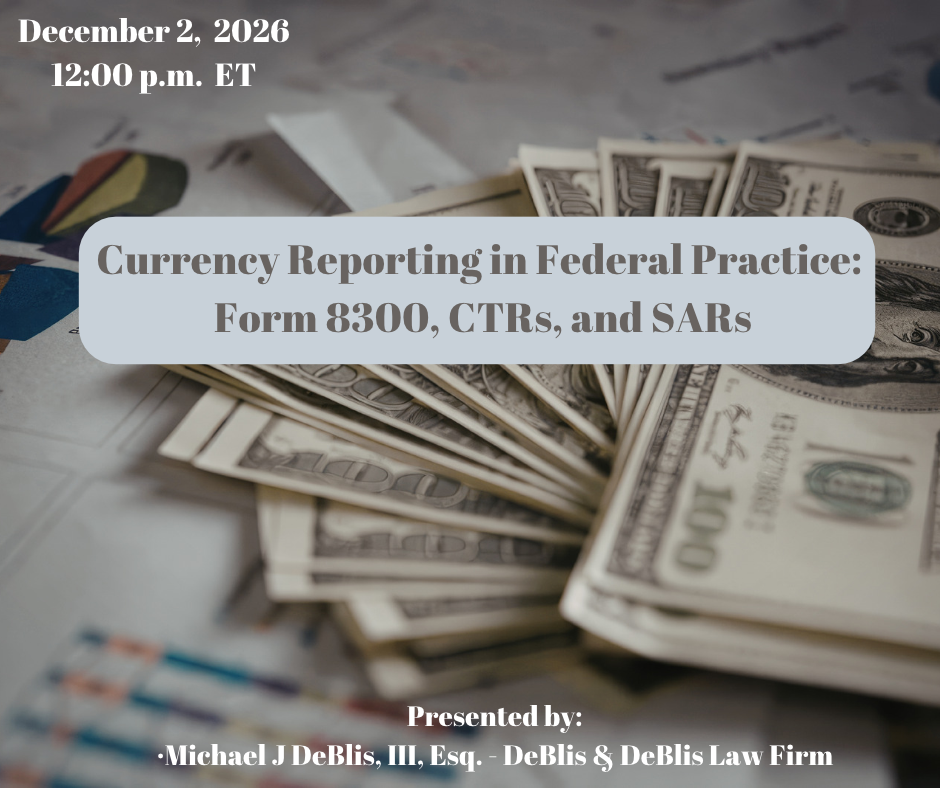
This program provides trial attorneys with a thorough grounding in the three principal currency repo...
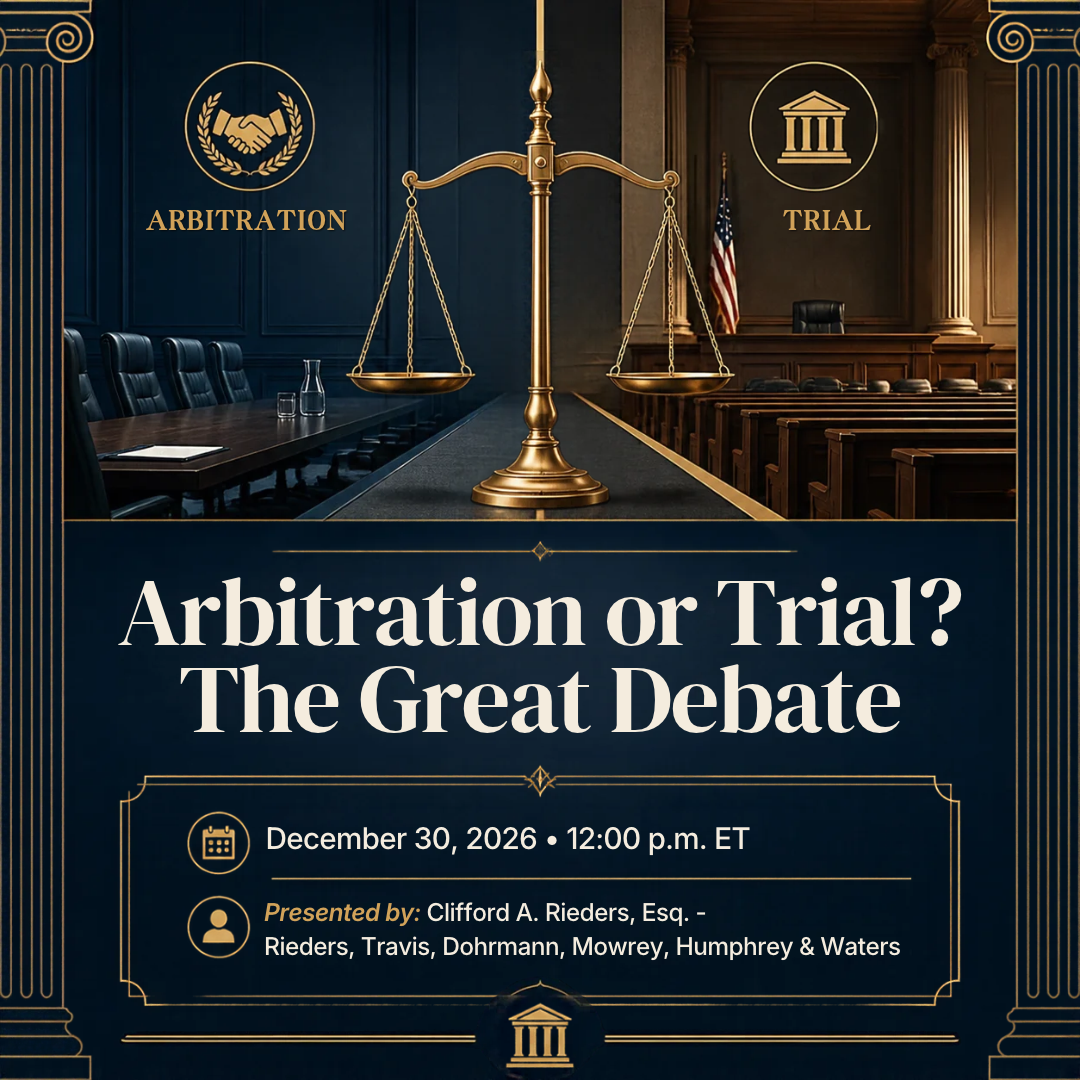
This program examines the scope, jurisdiction, and exceptions to the Federal Arbitration Act (FAA), ...
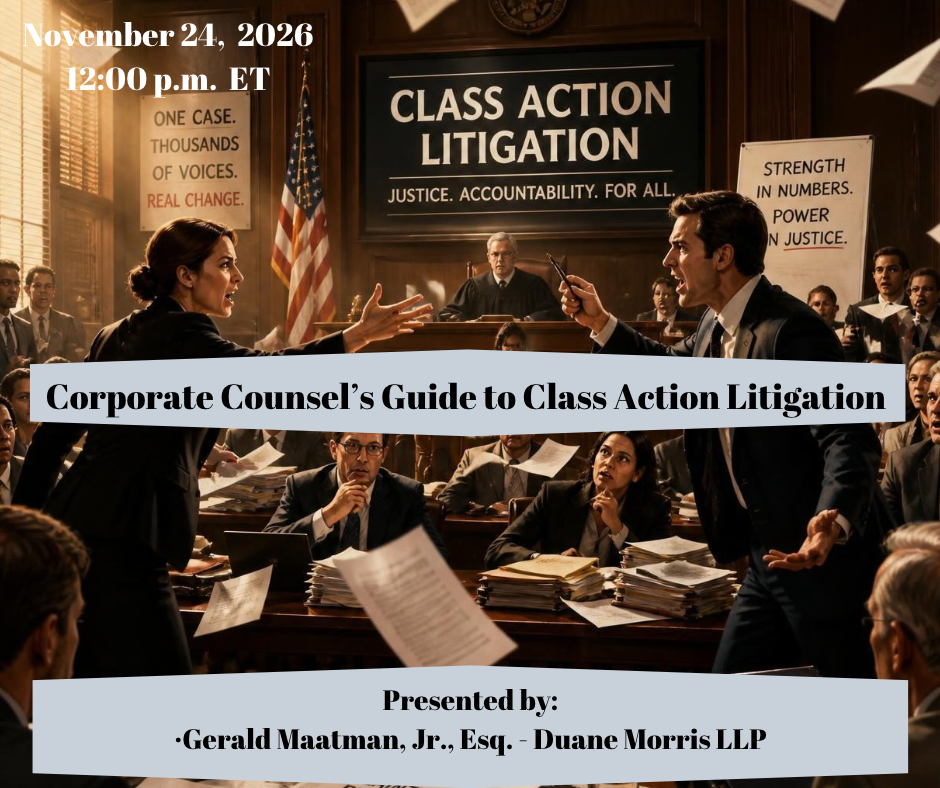
Class action litigation continues to expand in both number of filings and monetary exposure, with se...

Class action litigation presents significant legal and business challenges for employers and corpora...
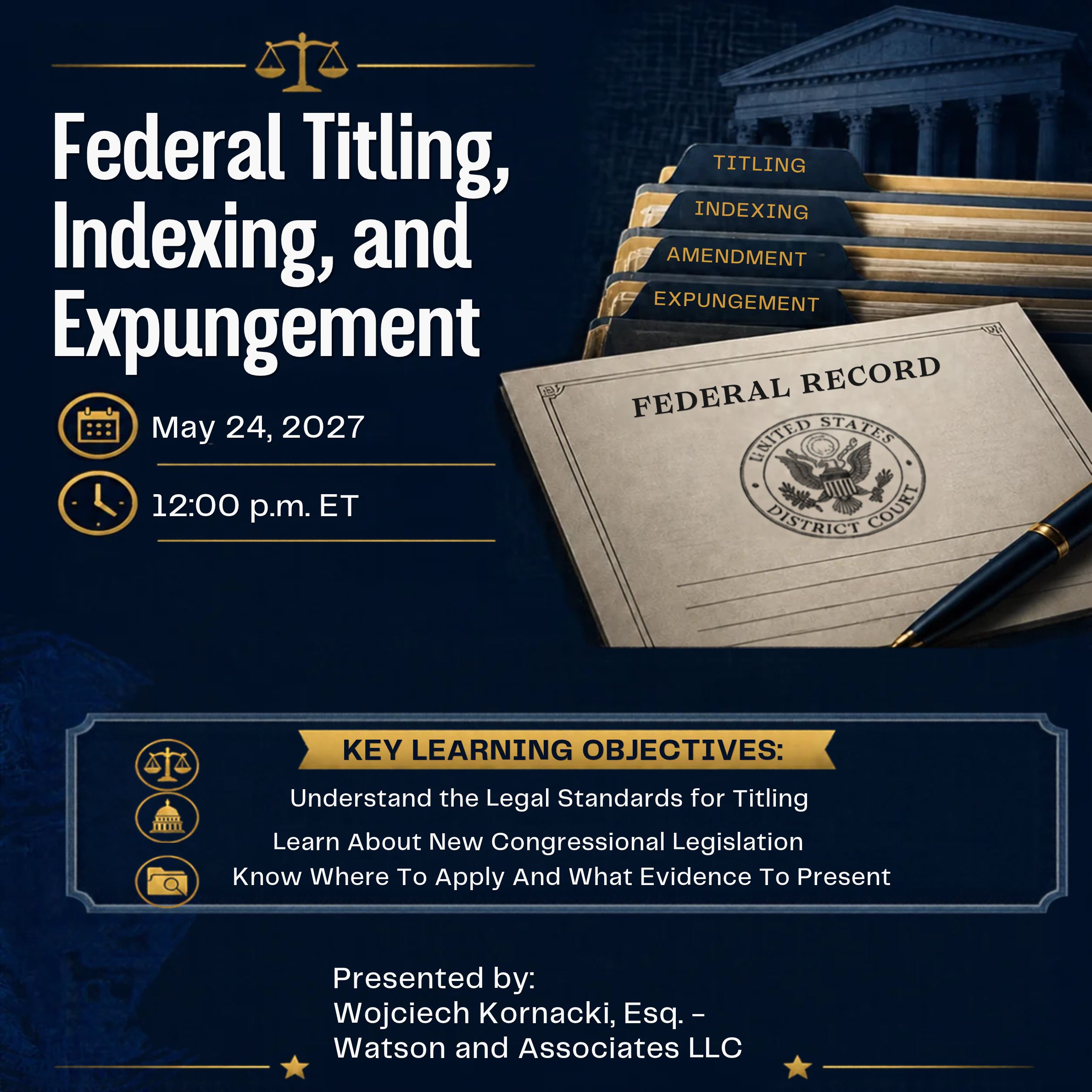
This course analyzes federal titling and indexing requirements and how to expunge or amend your reco...