
Exciting new series on “Voice, Body and Movement for Lawyers – How to connect with the jury and find Justice Through Dramatic Technique!”
Click here to find out more
Electronic information is a common feature of criminal investigations and prosecutions, both federal and State. Such information may be relevant to establishing criminal activity and may itself be evidence of a crime. Moreover, electronic information may lead to challenges to admissibility.
This program will address the Fourth, Fifth, and Sixth implications of investigations and prosecutions as will also consider how the Federal Rules of Evidence and proposed amendments to those rules deal with electronic information, including products of generative artificial intelligence.

This program provides immigration attorneys with a structured and strategic approach to developing e...

Resilience in the Workplace, delves into the critical importance of resilience in navigating the cha...

Most legal professionals are operating in survival mode whether they realize it or not. Not crisis-l...

Contracting with the Federal Government is not like a business deal between two companies or a contr...

“Everyone tells me I’m doing a great job. My clients, my colleagues, my family. Wh...

In the rapidly evolving landscape of employment law, arbitration agreements have become a cornerston...
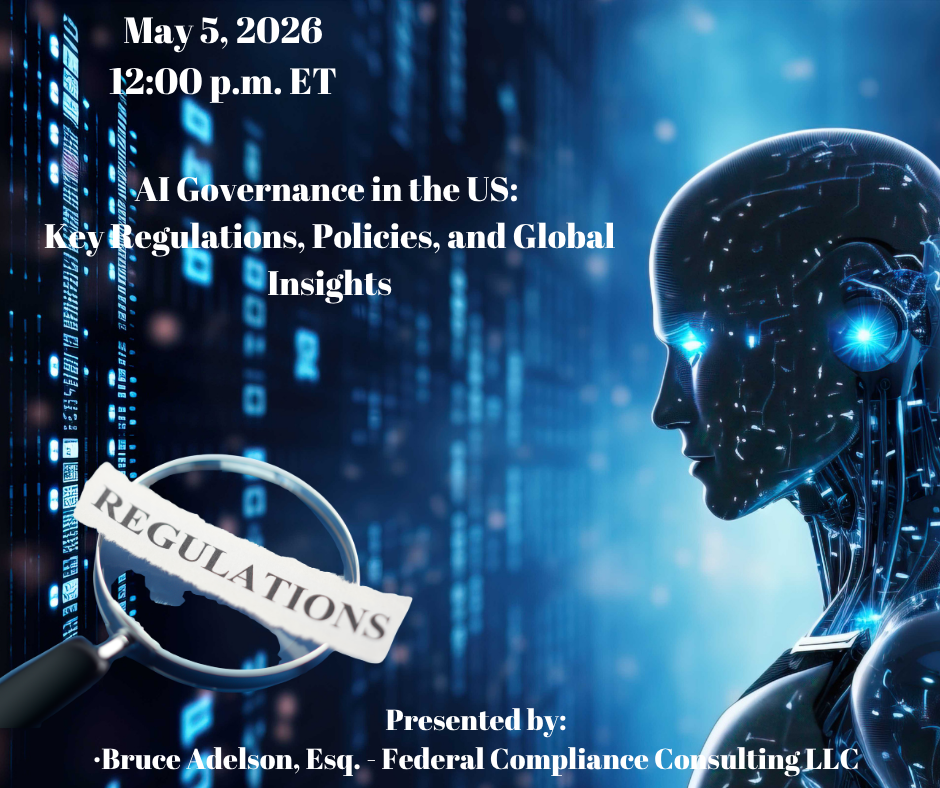
AI, an innovative technology that was once a supporting act for digital transformation, business str...

This course will provide a detailed overview of the Medicare Secondary Payer act as well as provide ...

Artificial intelligence is already reshaping legal practice, from research and drafting to litigatio...

This program examines the role of psychosocial evaluations in spousal abuse-based immigration petiti...