
Exciting new series on “Voice, Body and Movement for Lawyers – How to connect with the jury and find Justice Through Dramatic Technique!”
Click here to find out more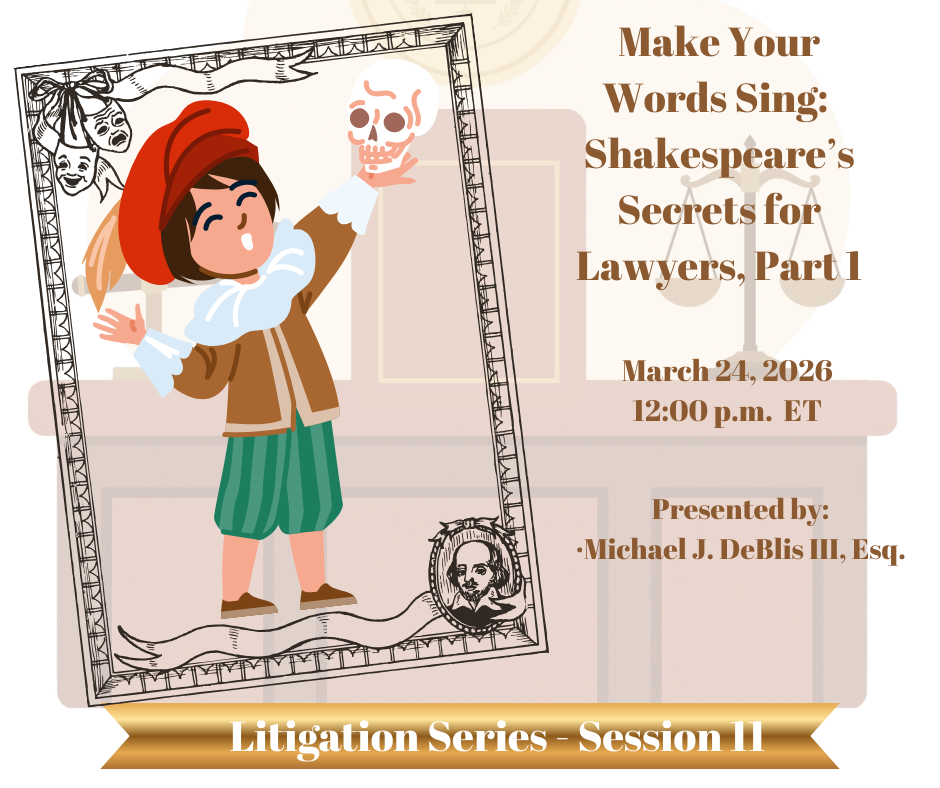
This Shakespeare?inspired program illustrates how Shakespearean technique can enrich courtroom advocacy by enhancing vocal expressiveness, emotional truth, and linguistic clarity. It shows how actors use rhythm, imagery, breath, and intentionality to animate text—and how lawyers can apply the same tools to make arguments vibrant and human.
At its heart, the presentation champions the idea that the lawyer’s voice is an instrument, and when used artfully, it can make complex ideas accessible while forging deeper juror connection.
The program will cover the key issues for lawyer leaving government employment including the nuances...
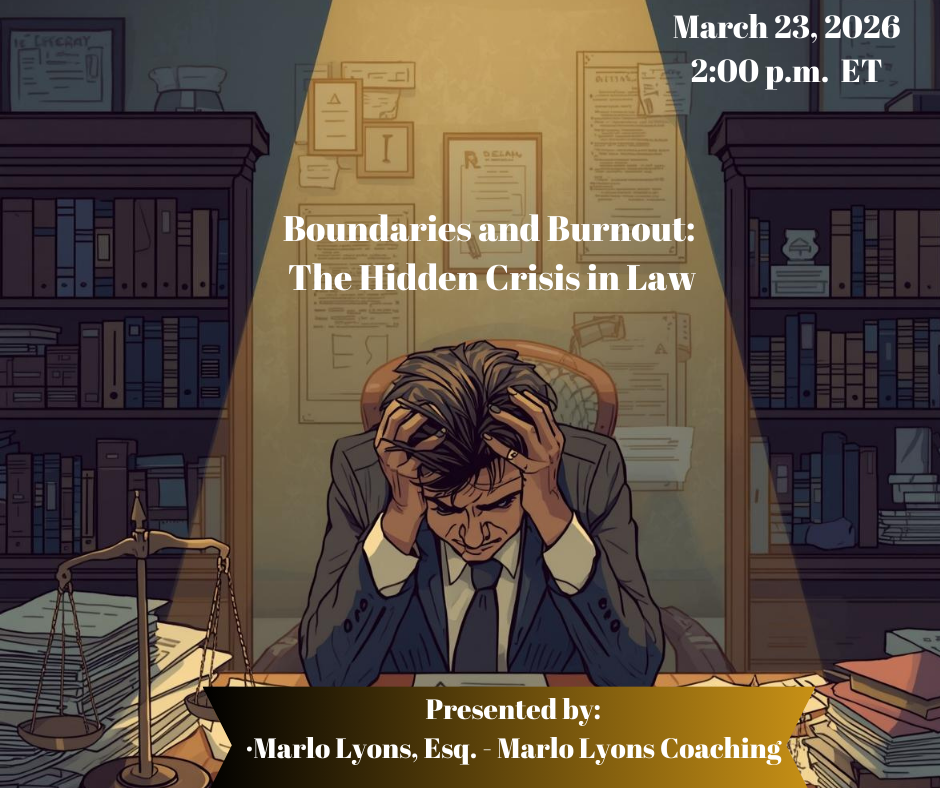
Boundaries and Burnout: The Hidden Crisis in Law is a 60-minute California MCLE Competence Credit pr...
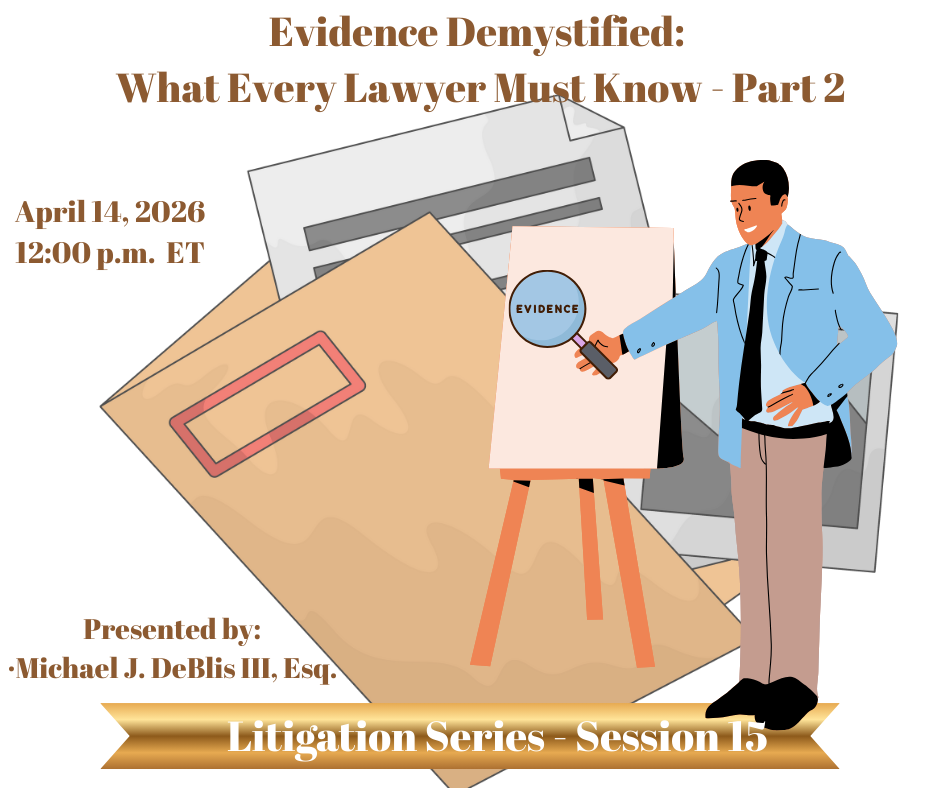
Evidence Demystified Part 2 covers key concepts in the law of evidence, focusing on witnesses, credi...
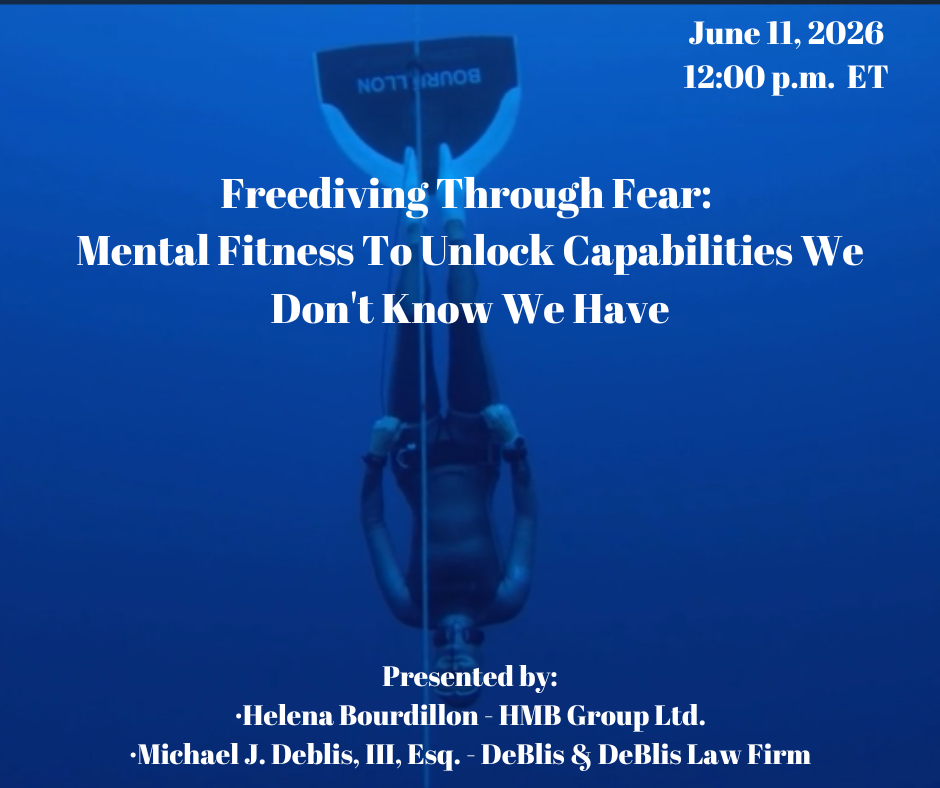
Most legal professionals are operating in survival mode whether they realize it or not. Not crisis-l...
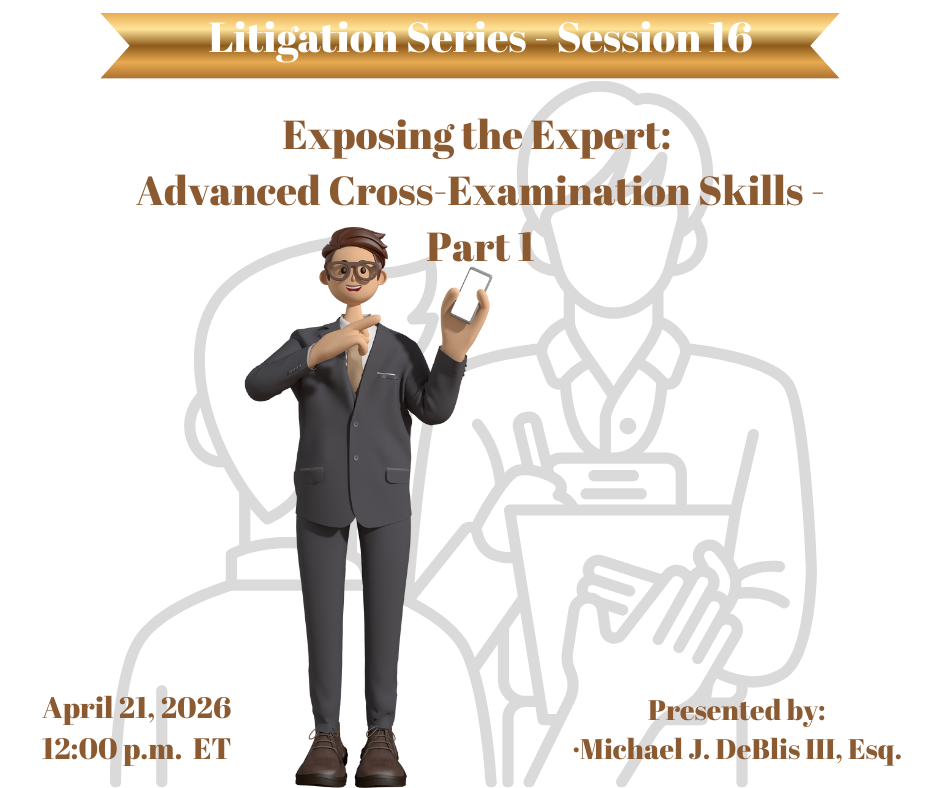
Part 1 - This program focuses specifically on cross?examining expert witnesses, whose credentials an...
Learn about the latest trends in Federal Suspension and Debarments. This presentation will assist yo...
Explore the transformative potential of generative AI in modern litigation. “Generative AI for...
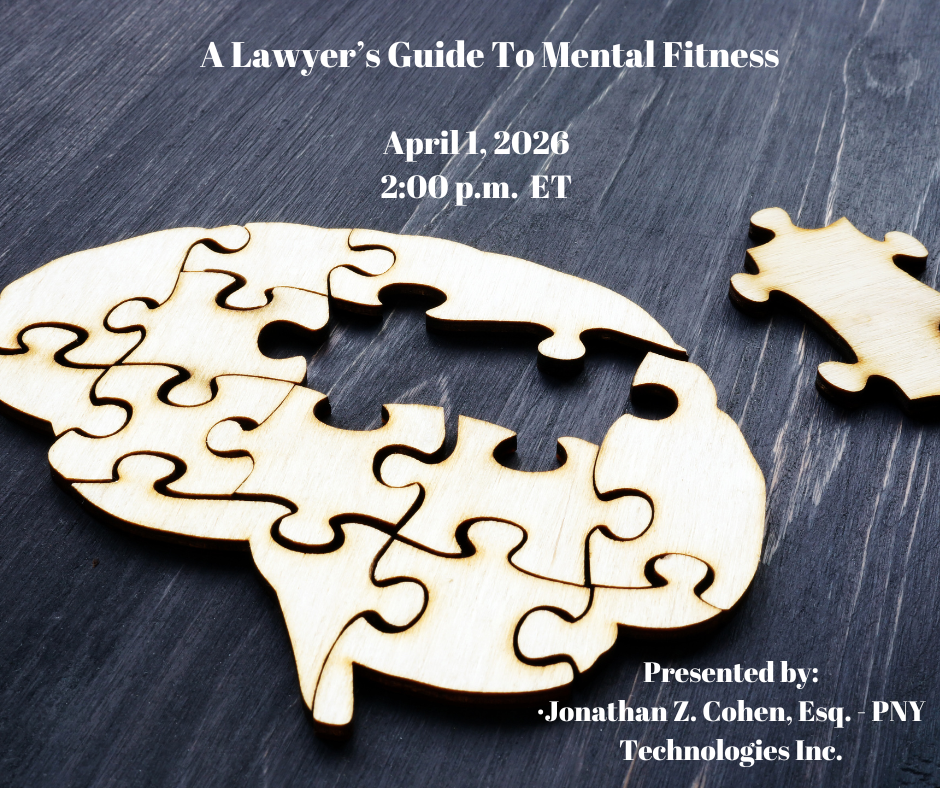
‘A Lawyer’s Guide To Mental Fitness’ is a seminar designed to equip professionals ...
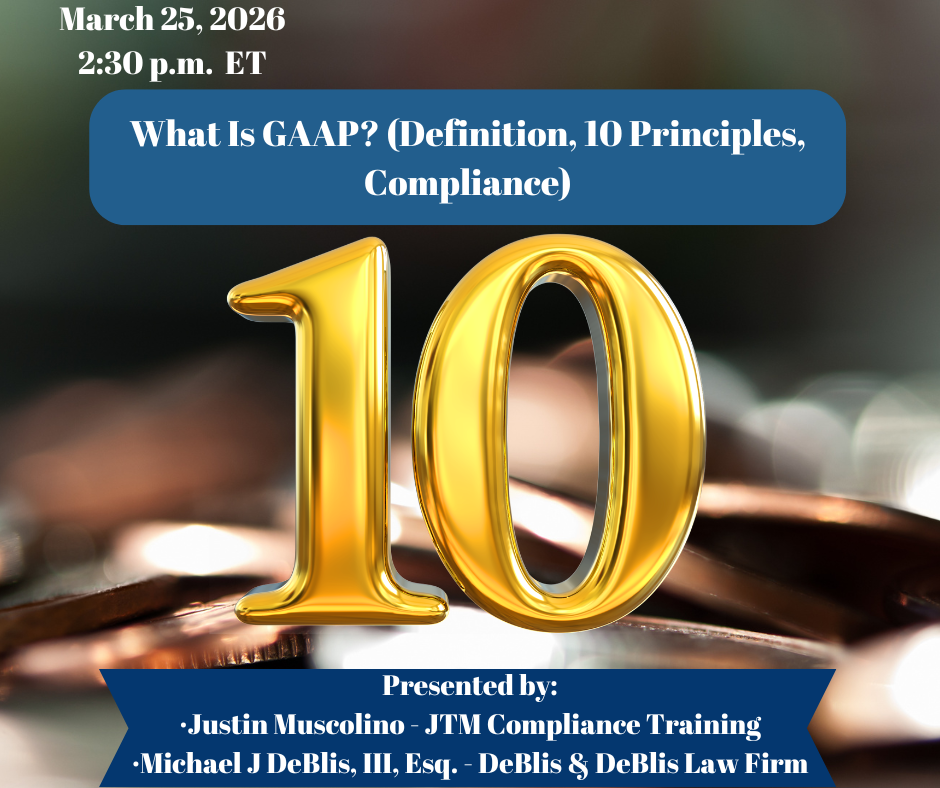
This course breaks down GAAP’s ten foundational principles and explores their compliance impli...
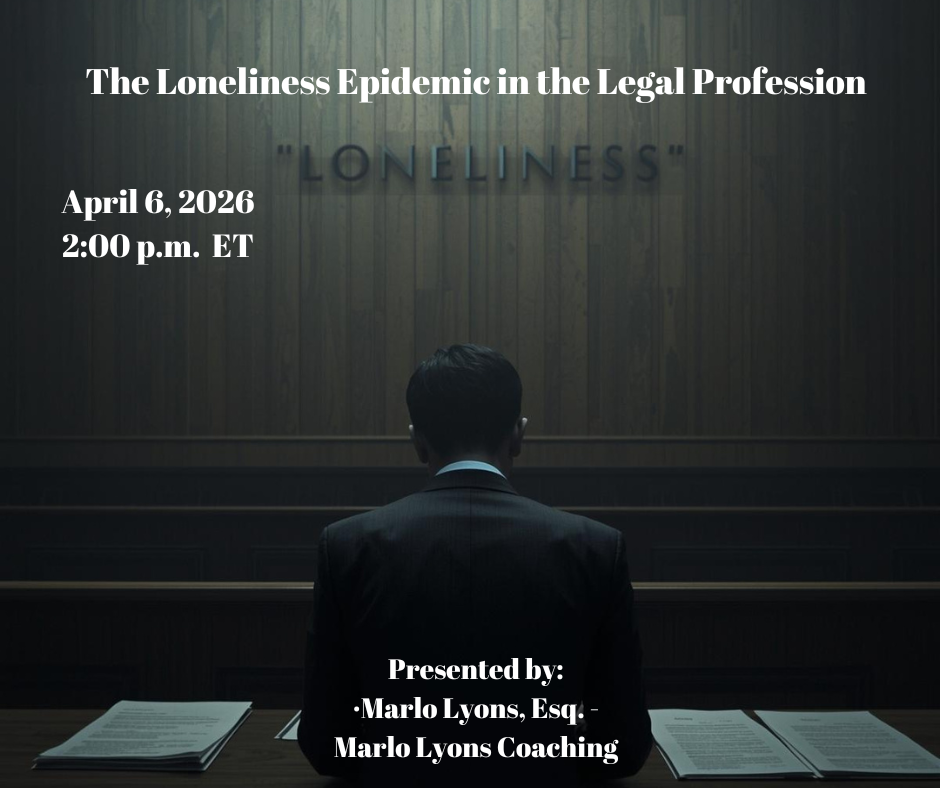
Loneliness isn’t just a personal issue; it’s a silent epidemic in the legal profession t...