
Exciting new series on “Voice, Body and Movement for Lawyers – How to connect with the jury and find Justice Through Dramatic Technique!”
Click here to find out more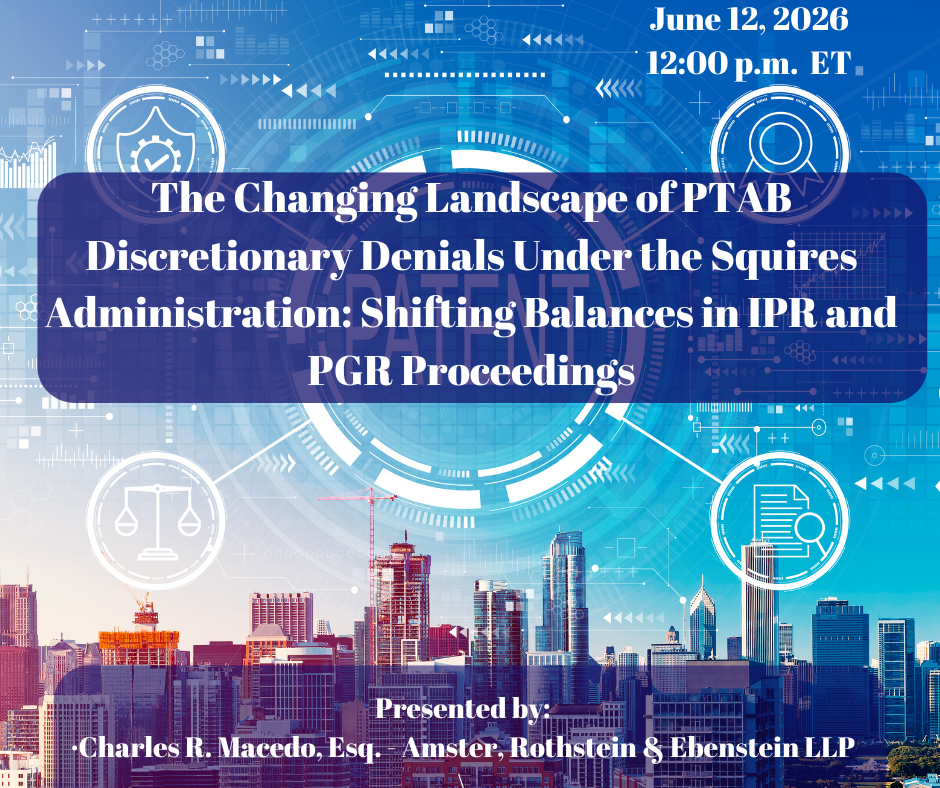
Over the past year, the Patent Trial and Appeal Board (PTAB) has undergone a dramatic policy shift regarding discretionary denials under Title 35 of the U.S. Code. This program explores the operational realities of this new era, tracing its roots back to the critical March 2025 Stewart Memo and its evolution under current USPTO Director John Squires.
Speaker Charley Macedo will analyze how the system shifted from a decentralized panel framework to a strictly centralized regime. The presentation will dissect the foundational March 2025 Stewart Memo, which first bifurcated the institution process and introduced critical new discretionary considerations—including the "settled expectations" of patent longevity and the degree of reliance on expert testimony. The program will then transition into current 2026 developments, focusing on how the Squires Administration has absorbed these factors while layering on new directives concerning domestic manufacturing footprints and small-business status.
Practitioners will learn how these combined policies rebalance the system in favor of patent owners, resulting in historic highs for discretionary denials. Whether you represent owners seeking to leverage these protective doctrines or petitioners navigating strict parallel litigation constraints, this session provides practice-proven strategies to optimize your PTAB litigation outcomes.
Learning Objectives
By the conclusion of this presentation, participants will be able to:
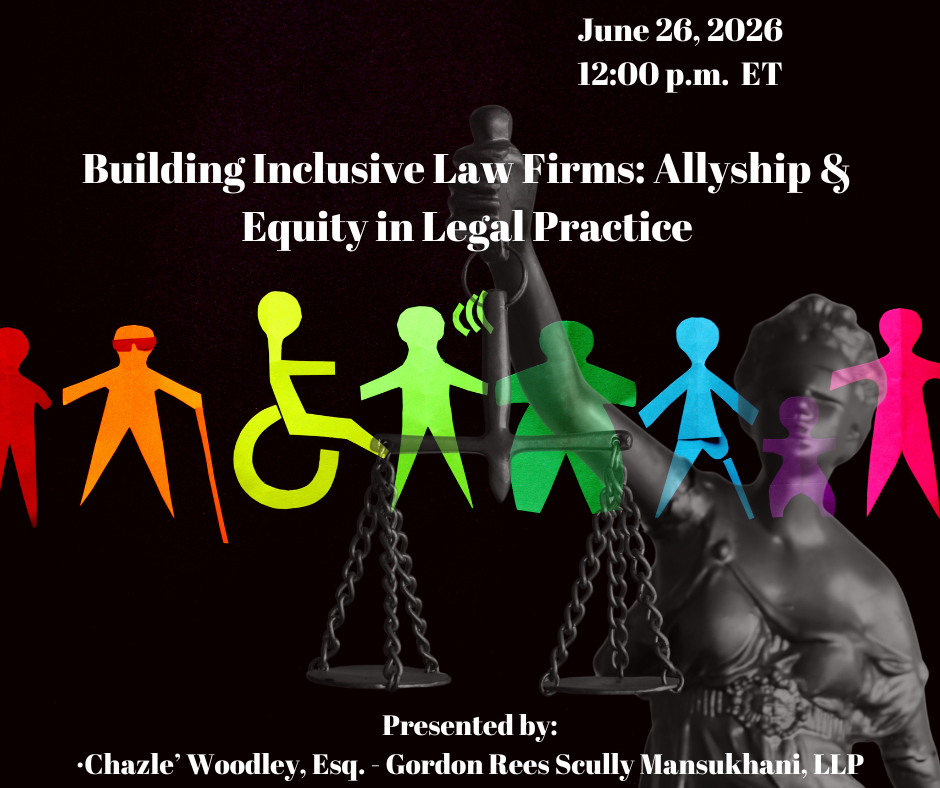
This interactive course is designed to equip legal professionals with the knowledge, tools, and stra...
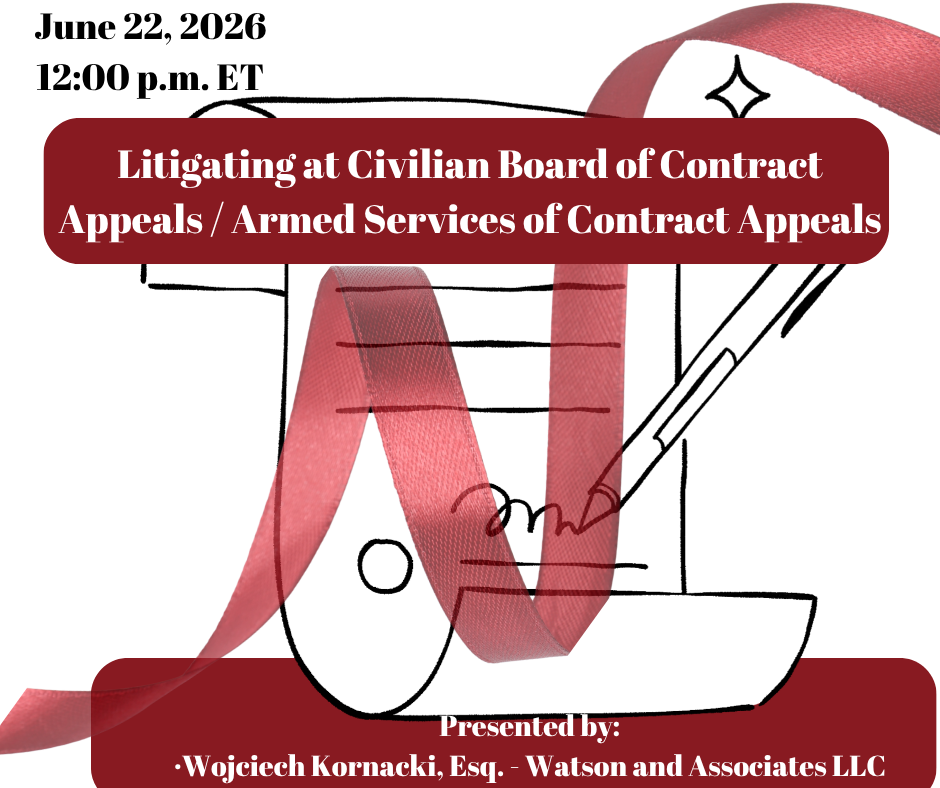
My contract was terminated and the contracting officer did not pay my invoices – what can I do...

State attorneys general continue to play a central and increasingly aggressive role in consumer prot...
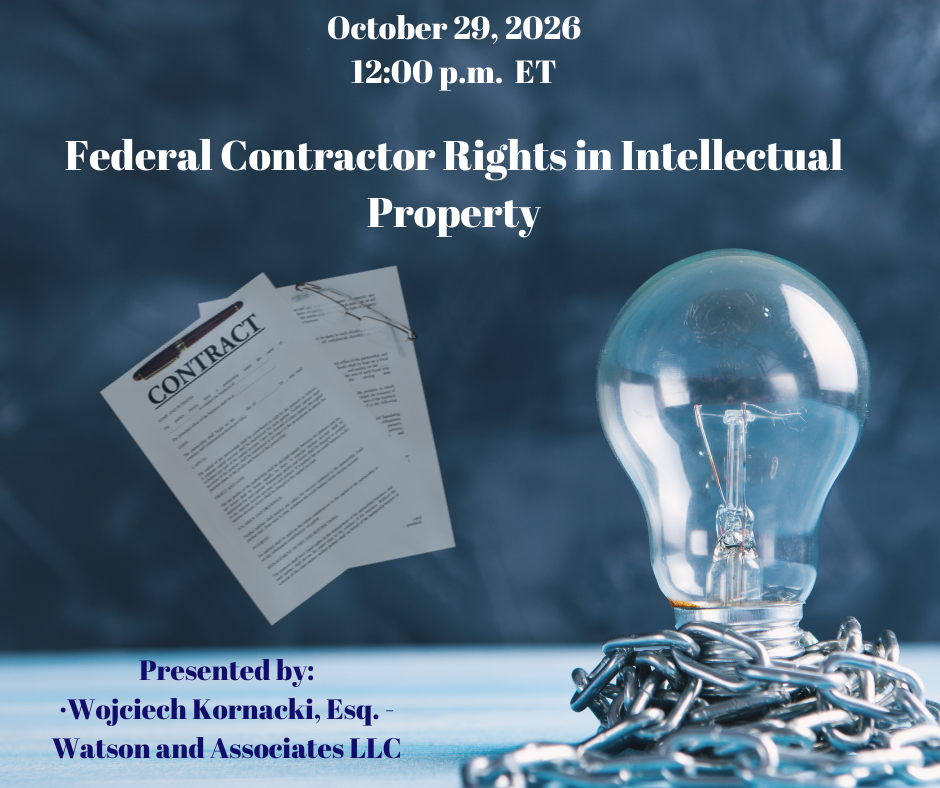
During this course, you will learn about best practices and strategies for retaining intellectual pr...
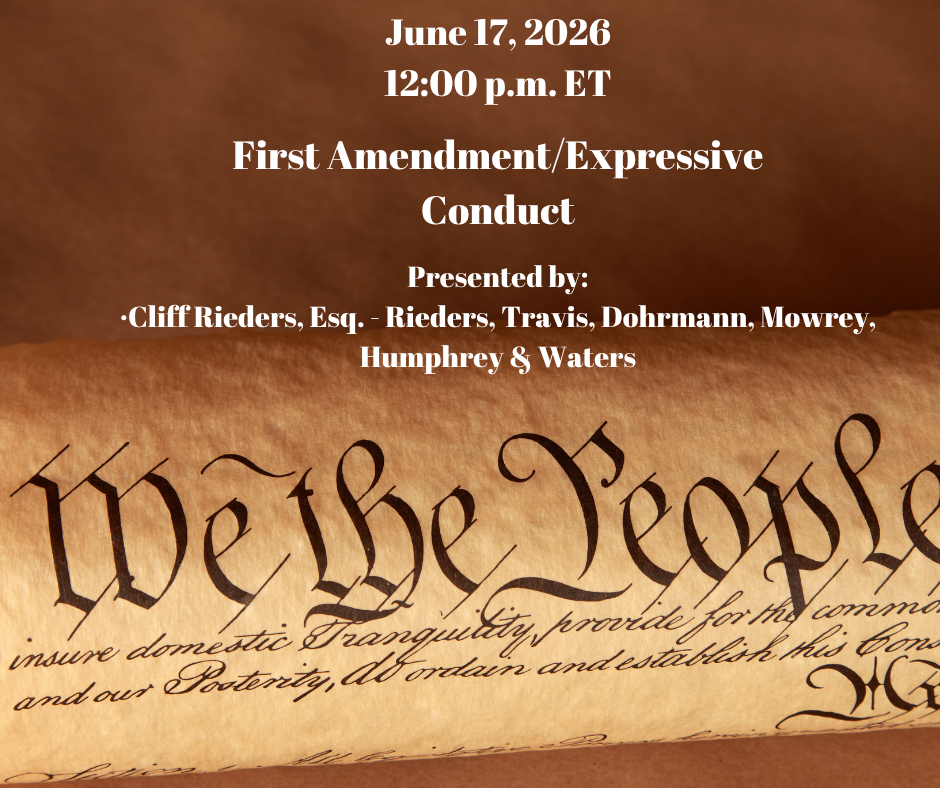
The Protections and Limits of the First Amendment when it comes to Expressive Conduct. This PowerPoi...
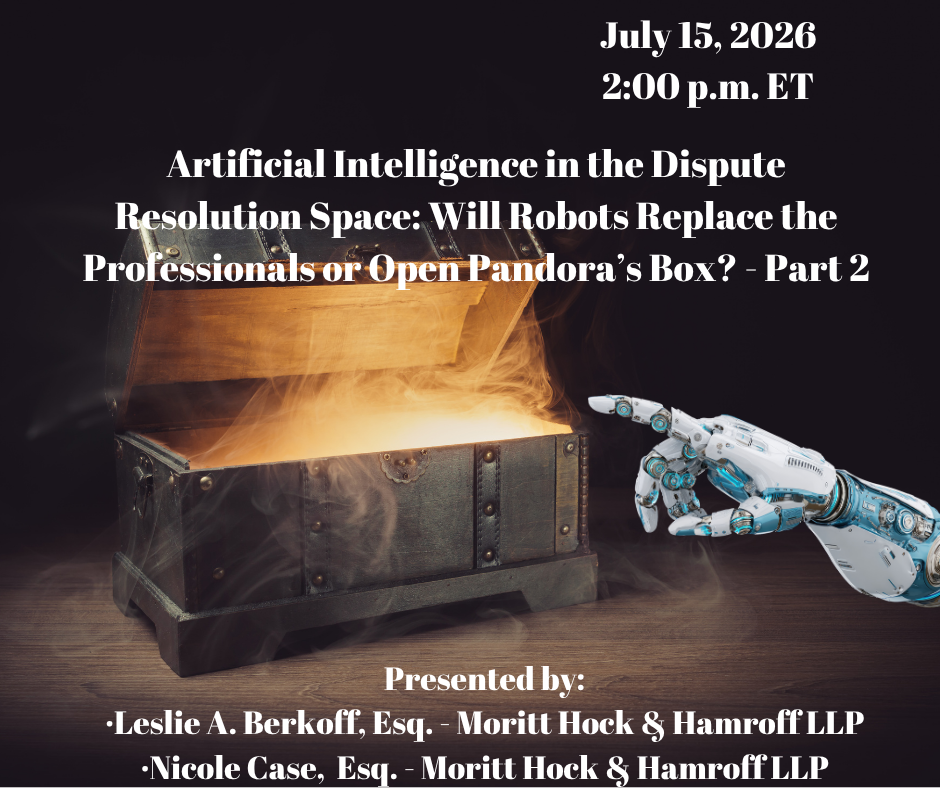
Join us for Part 2 of a program tailored for attorneys seeking a better understanding of the ongoing...
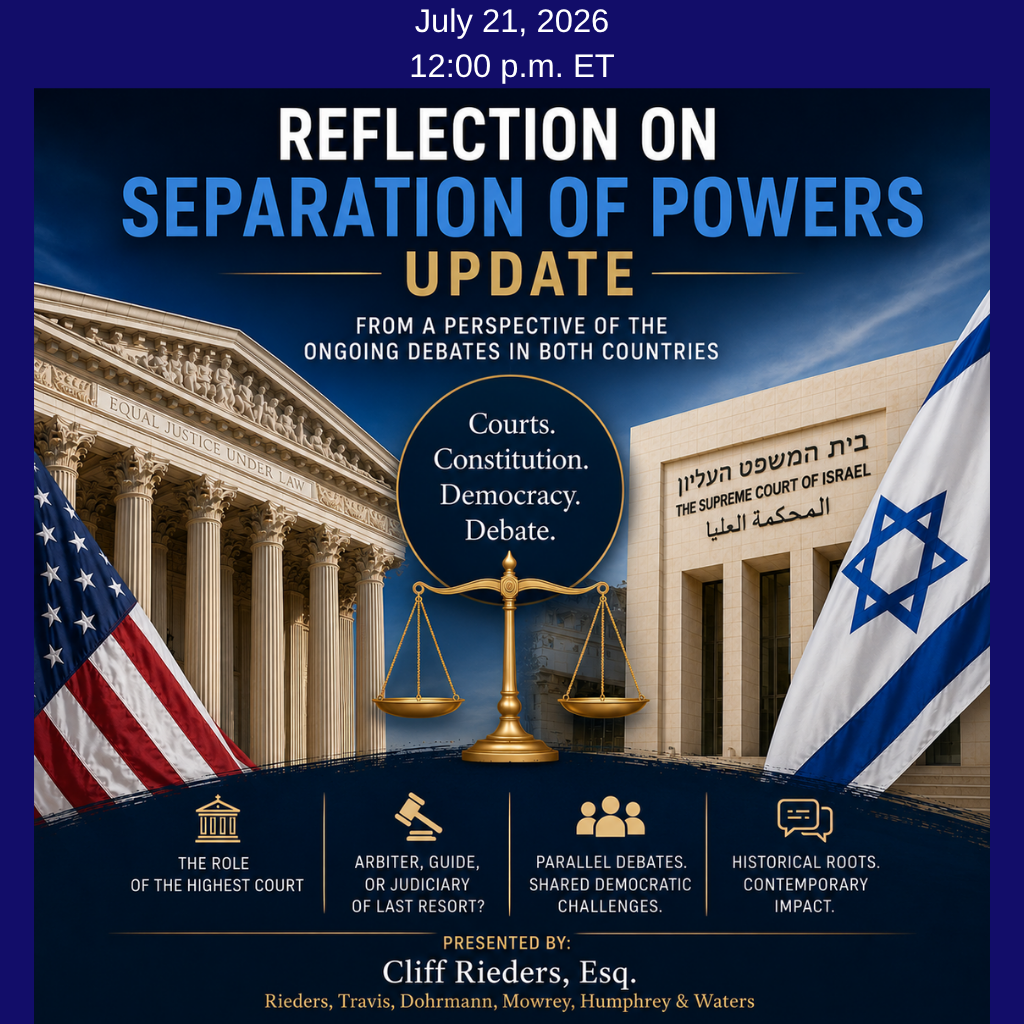
Separation of Powers in United States and Israel from a Perspective of the Ongoing Debates in Both C...
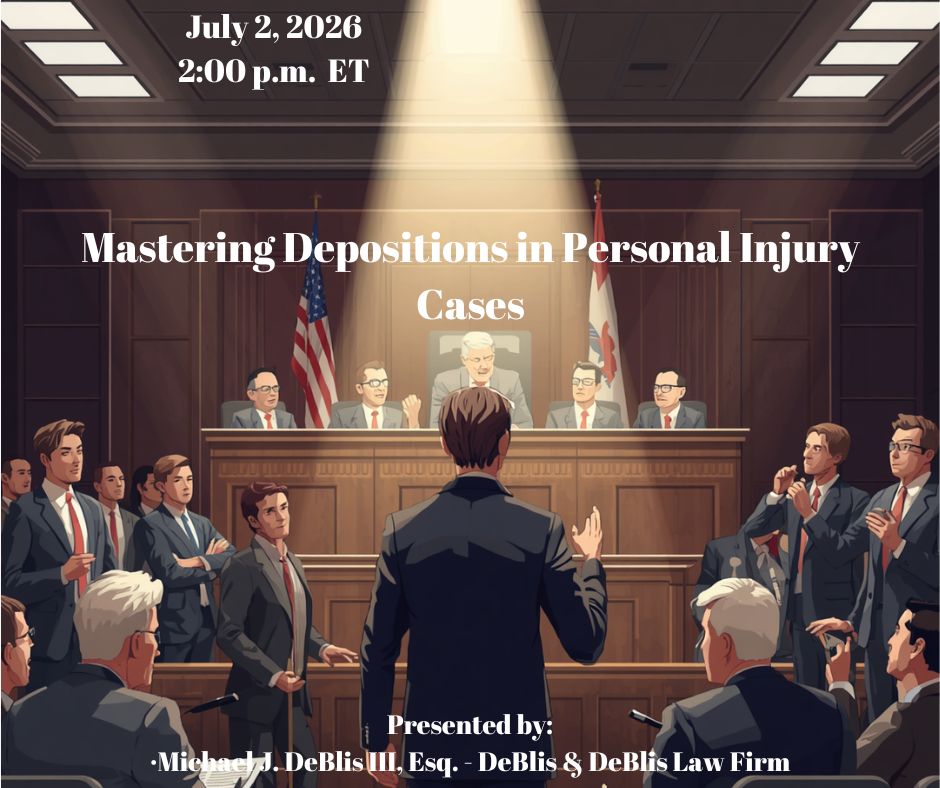
This is a comprehensive continuing legal education program designed exclusively for personal injury ...
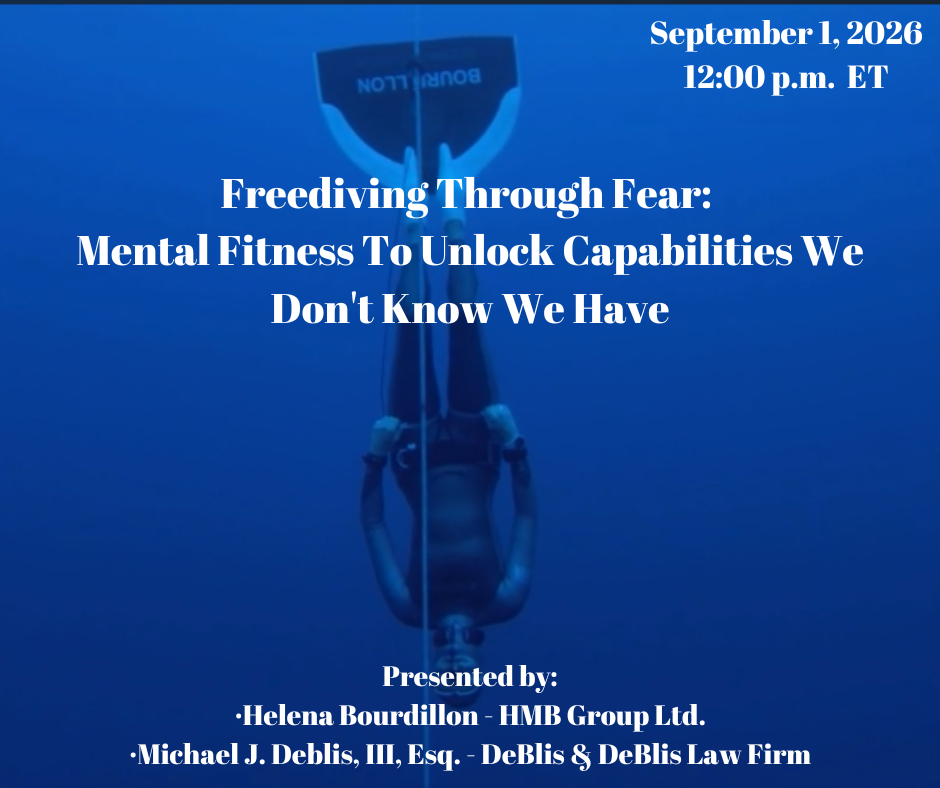
Most legal professionals are operating in survival mode whether they realize it or not. Not crisis-l...
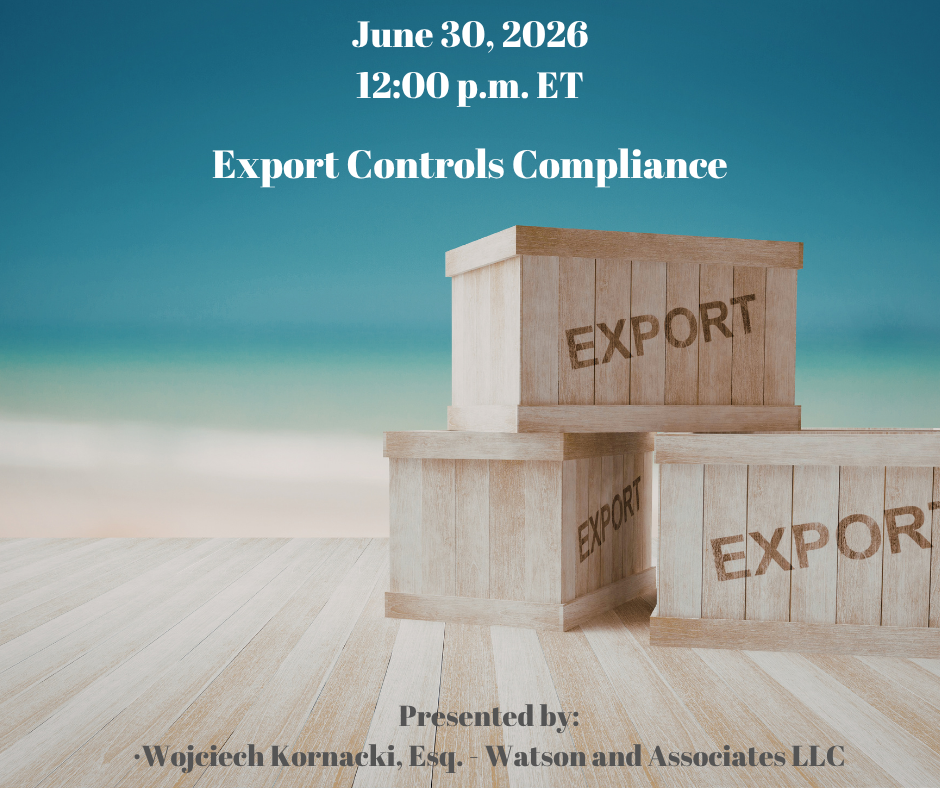
What are the left and rights limits, penalties, and best practices for export controls under Interna...