
Exciting new series on “Voice, Body and Movement for Lawyers – How to connect with the jury and find Justice Through Dramatic Technique!”
Click here to find out more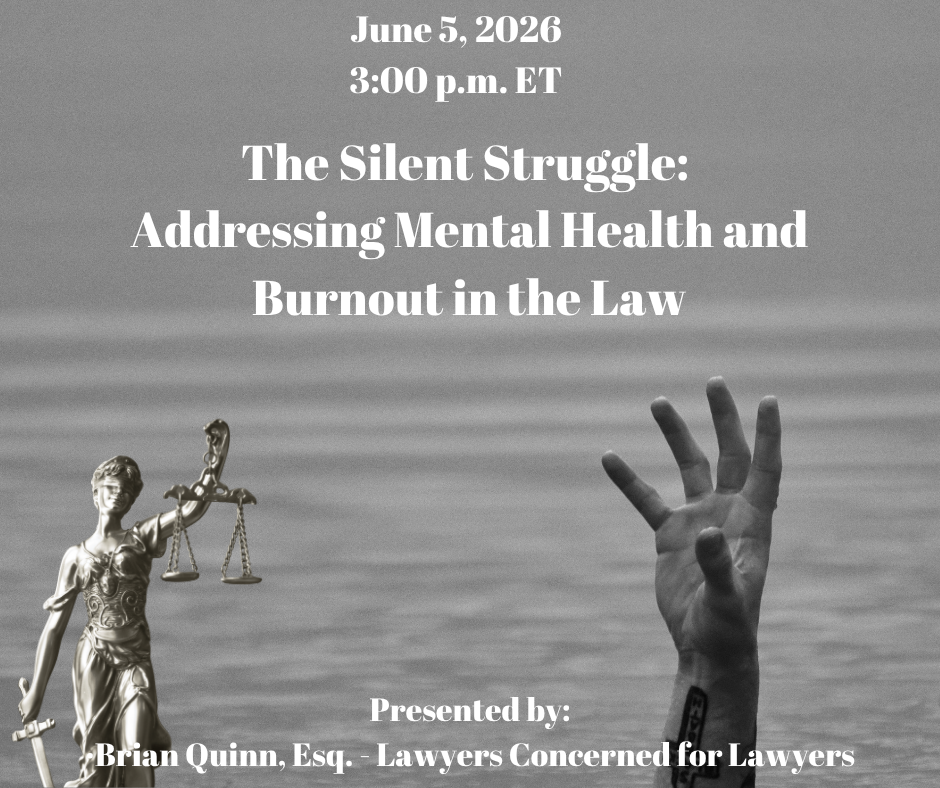
Recent studies have shown that there has been a dramatic increase in impairment due to alcoholism, addiction and mental health disorders among members of the legal profession. The statistics are compelling and clearly indicate that 1 out of 3 attorneys will likely have a need for substance use or mental health services at some point in their careers.
Mr. Quinn will discuss:

The Fair Debt Collection Practices Act (FDCPA) remains one of the most important consumer protection...
Effective representation depends on trust, communication, and responsiveness, yet these can break do...

The Federal Tort Claims Act is the way that the federal government is sued for negligence. There are...
This program will address the ethical obligations of Lawyer Advocates representing clients in arbitr...
Contracting with the Federal Government is not like a business deal between two companies or a contr...

This course analyzes federal contractor cyber security obligations under the Federal Acquisition Reg...

This program provides attorneys with a foundational understanding of derivatives and their role in m...
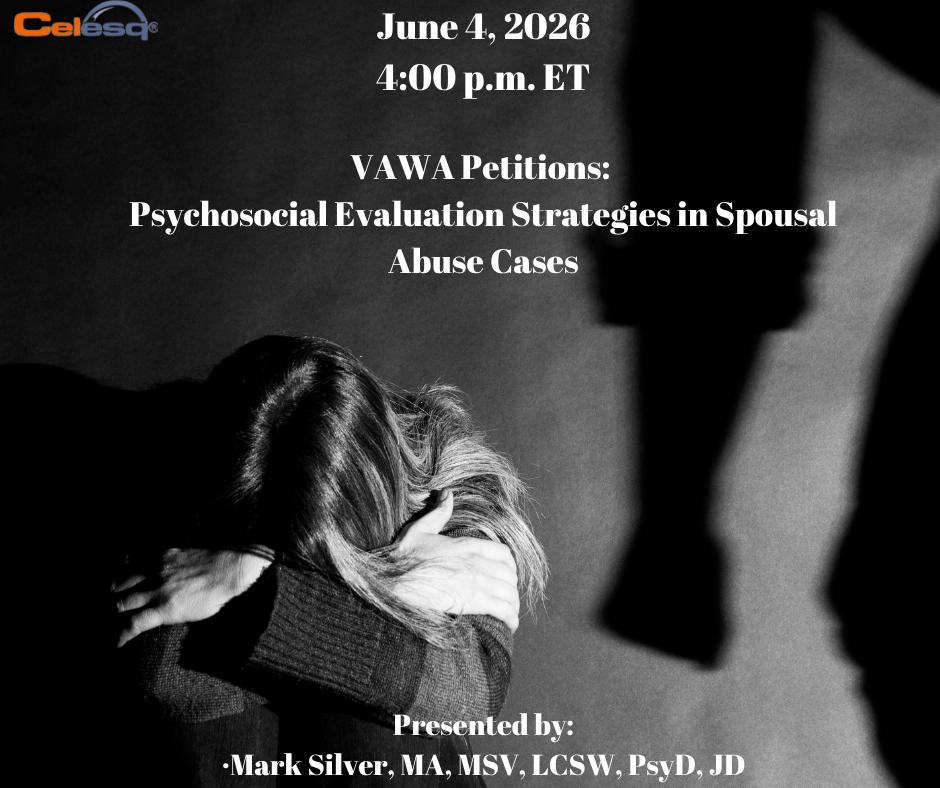
This program examines the role of psychosocial evaluations in spousal abuse-based immigration petiti...
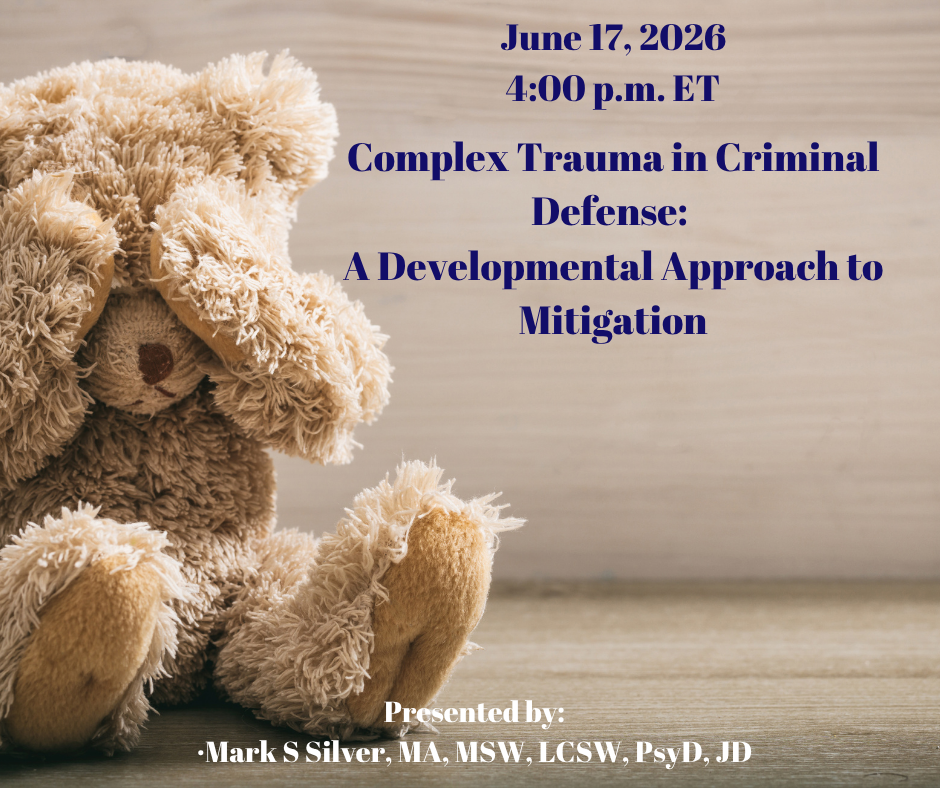
This program explores the impact of complex trauma on criminal defendants through a developmental an...
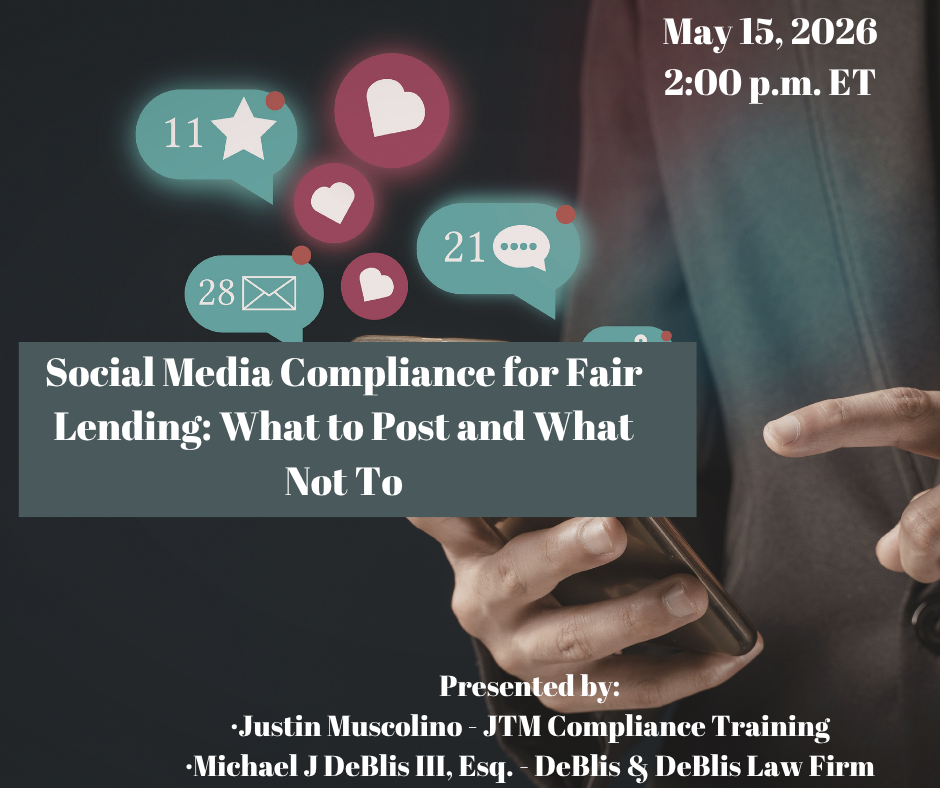
Social media has become a critical marketing and customer engagement channel for legal firms, banks,...