
Exciting new series on “Voice, Body and Movement for Lawyers – How to connect with the jury and find Justice Through Dramatic Technique!”
Click here to find out more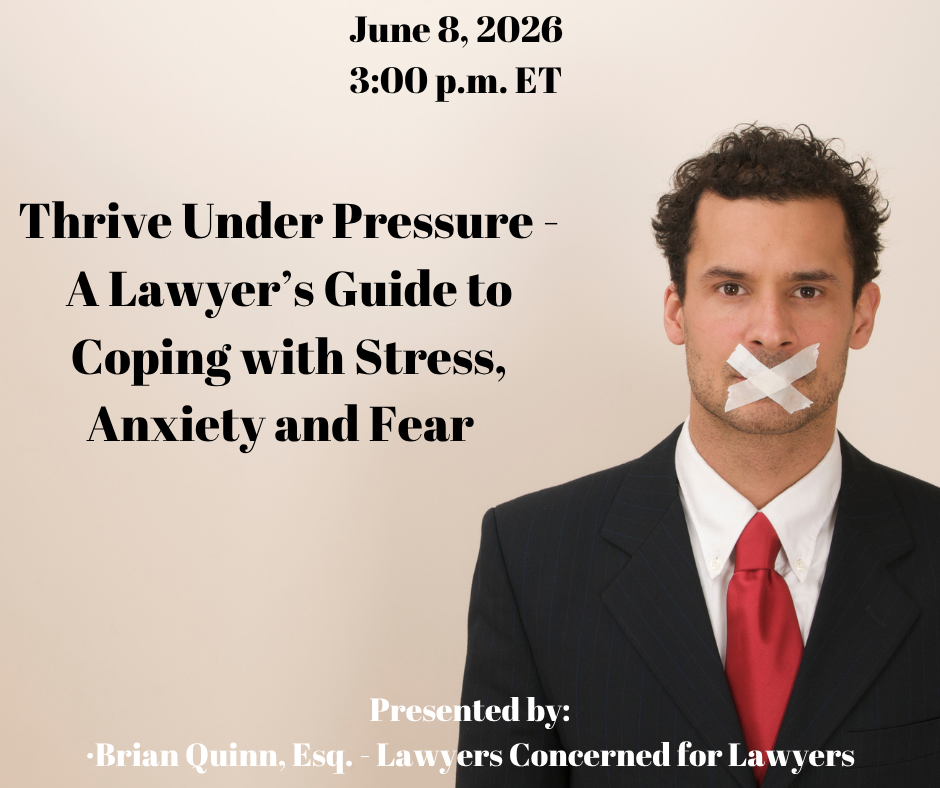
Recent studies have shown that there has been a dramatic increase in impairment due to alcoholism, addiction and mental health disorders among members of the legal profession. The statistics are compelling and clearly indicate that 1 out of 3 attorneys will likely have a need for substance use or mental health services at some point in their careers.
There is a misconception among lawyers that only people who have “hit bottom” need or ask for help. The statistics say otherwise as recent surveys indicate that the overwhelming majority of legal practitioners believe they have suffered negative mental health consequences as a result of their chosen profession.
Unfortunately, lawyers would rather isolate and “tough it out” rather than ask for help. This “conspiracy of silence” is often destructive to both careers and overall well-being.
Mr. Quinn will discuss:
What are the left and rights limits, penalties, and best practices for export controls under Interna...
This program focuses on asylum claims based on sexual orientation, addressing the unique clinical, c...
The “Preventing Access to U.S. Sensitive Personal Data and Government-Related Data by Countrie...
This program explores the impact of complex trauma on criminal defendants through a developmental an...
ChatGPT is rapidly entering law firm workflows, including drafting, summarizing, brainstorming, lega...
State attorneys general continue to play a central and increasingly aggressive role in consumer prot...
This course will provide a detailed overview of the Medicare Secondary Payer act as well as provide ...
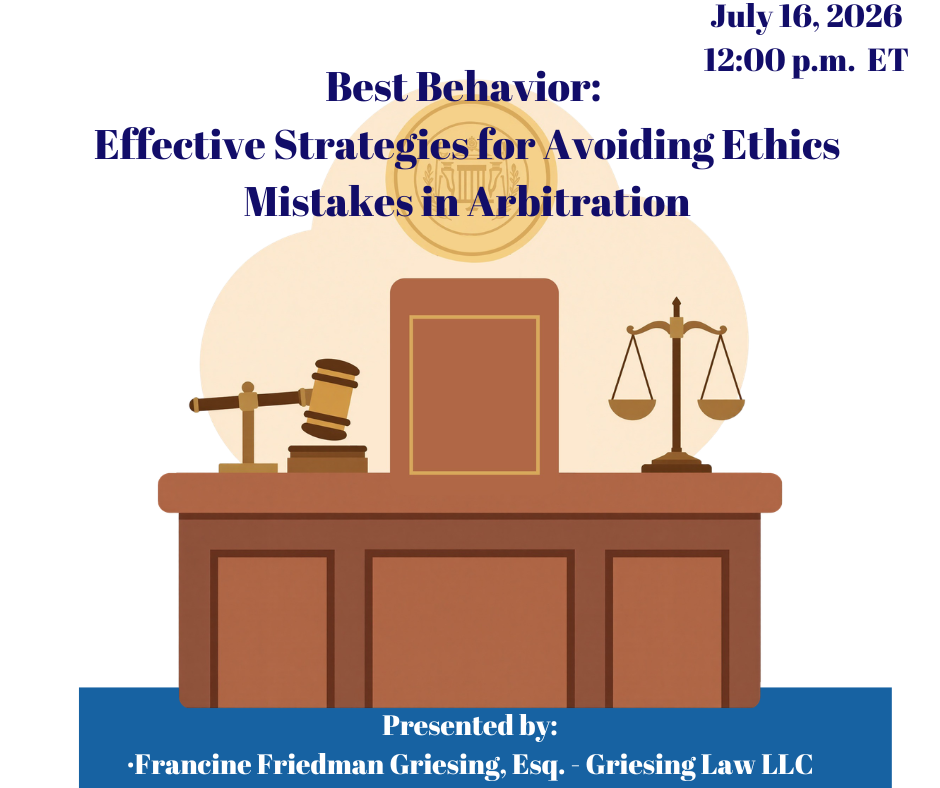
This program will address the ethical obligations of Lawyer Advocates representing clients in arbitr...
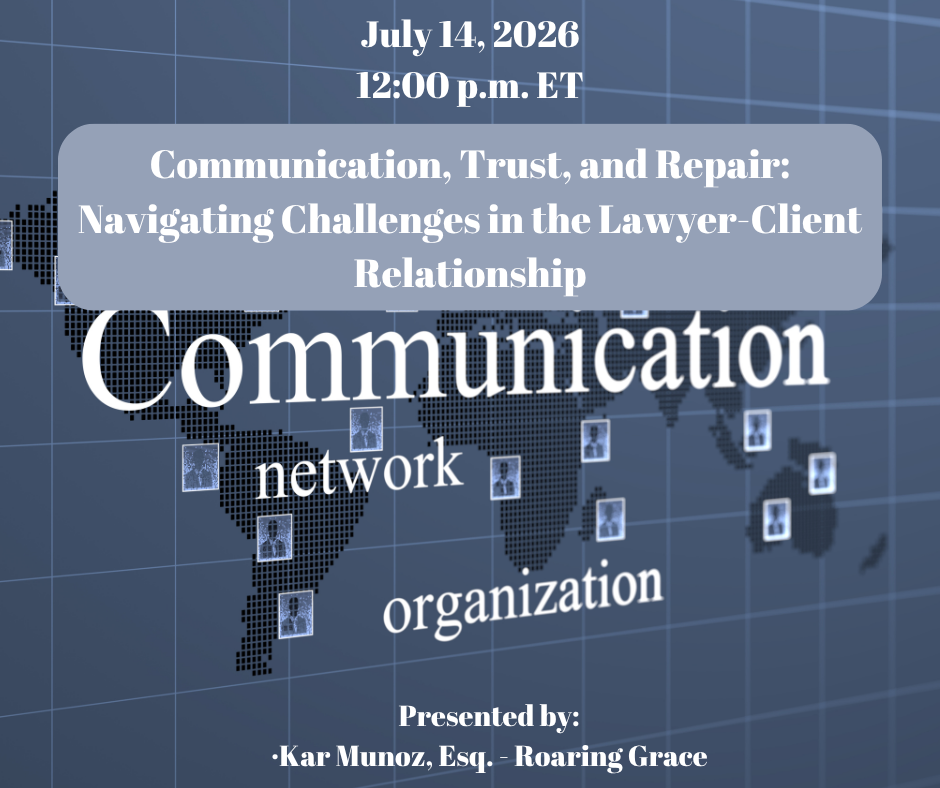
Effective representation depends on trust, communication, and responsiveness, yet these can break do...

AI agents and generative AI tools are rapidly entering law firm workflows, including legal research,...