
Exciting new series on “Voice, Body and Movement for Lawyers – How to connect with the jury and find Justice Through Dramatic Technique!”
Click here to find out more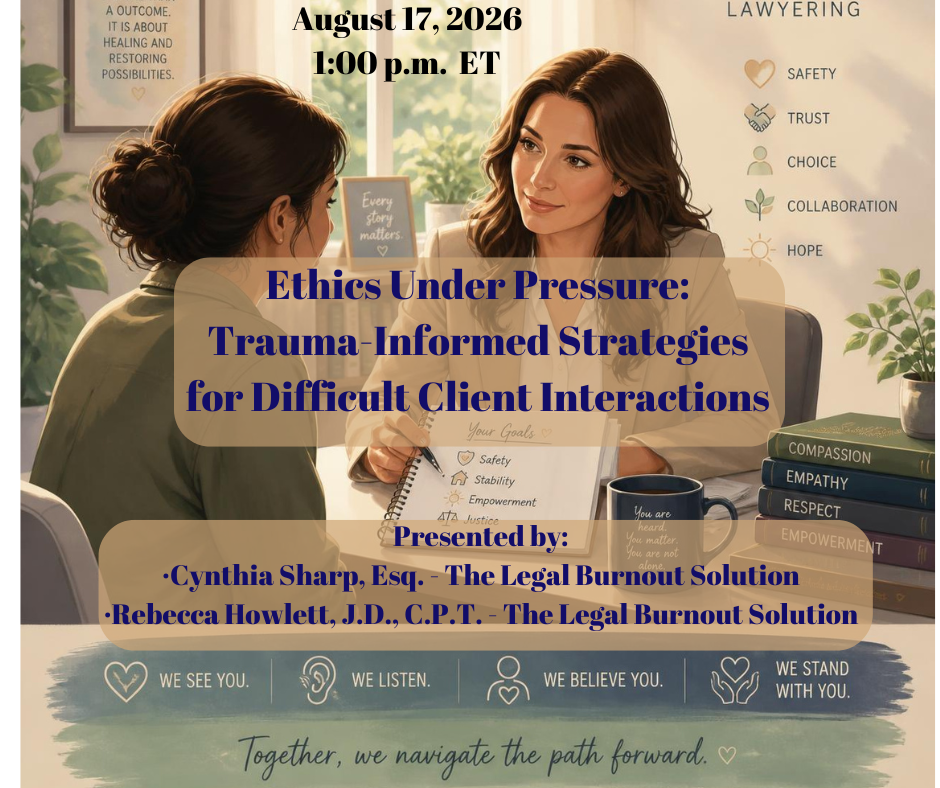
Lawyers regularly communicate with clients who are angry, overwhelmed, frightened, unrealistic, or disappointed by the legal process. In those moments, clear communication is not only good client service—it is an ethical obligation.
This program uses realistic client scenarios to explore how trauma-informed communication strategies can help lawyers comply with Model Rule of Professional Conduct 1.4: Communication. The program also touches on the negative impact of client distress on lawyers, including secondary trauma and compassion fatigue, and offers simple self-regulation strategies to support ethical, professional, and effective communication.
Participants will learn practical tools for:
Learning Objectives:
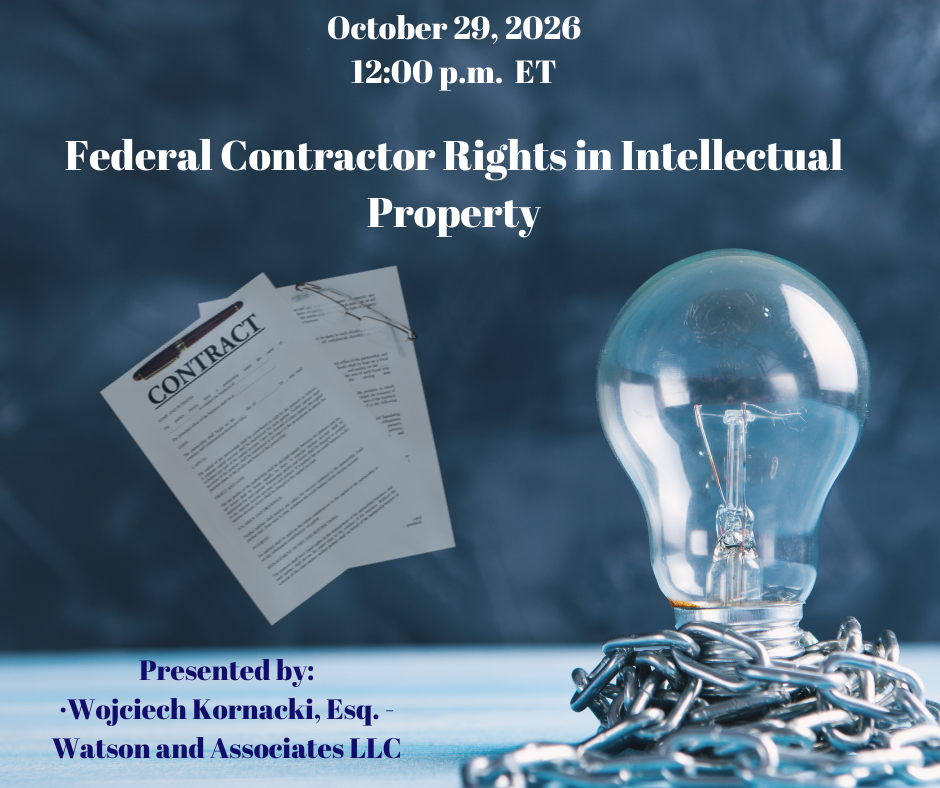
During this course, you will learn about best practices and strategies for retaining intellectual pr...
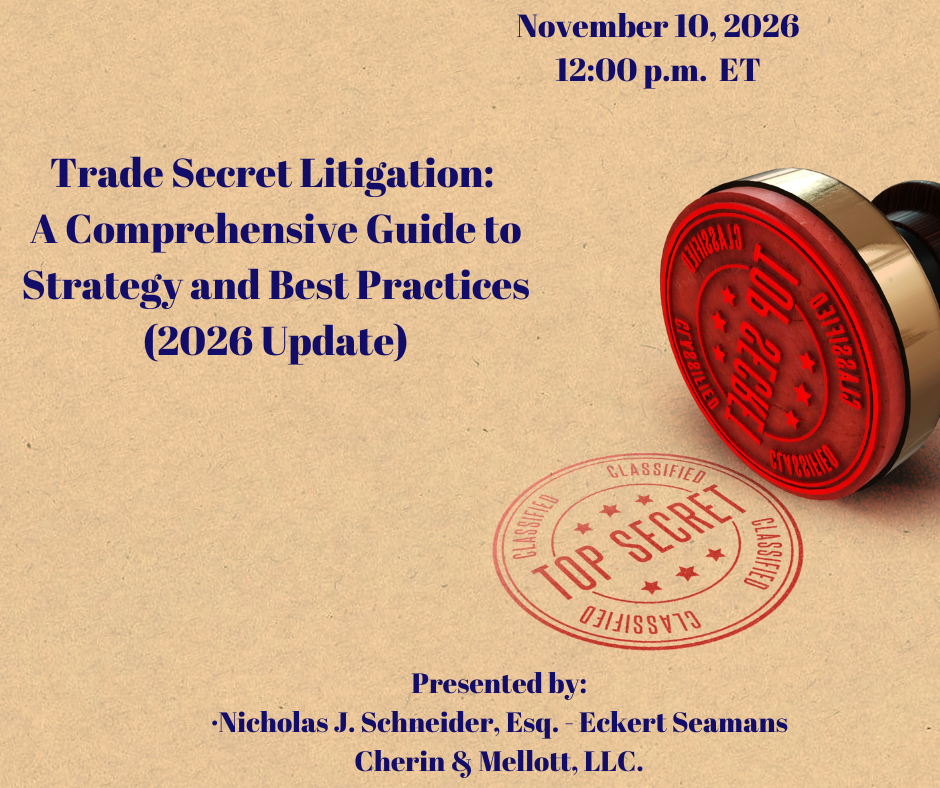
This course on trade secrets litigation provides real-world best practices through all key stages of...
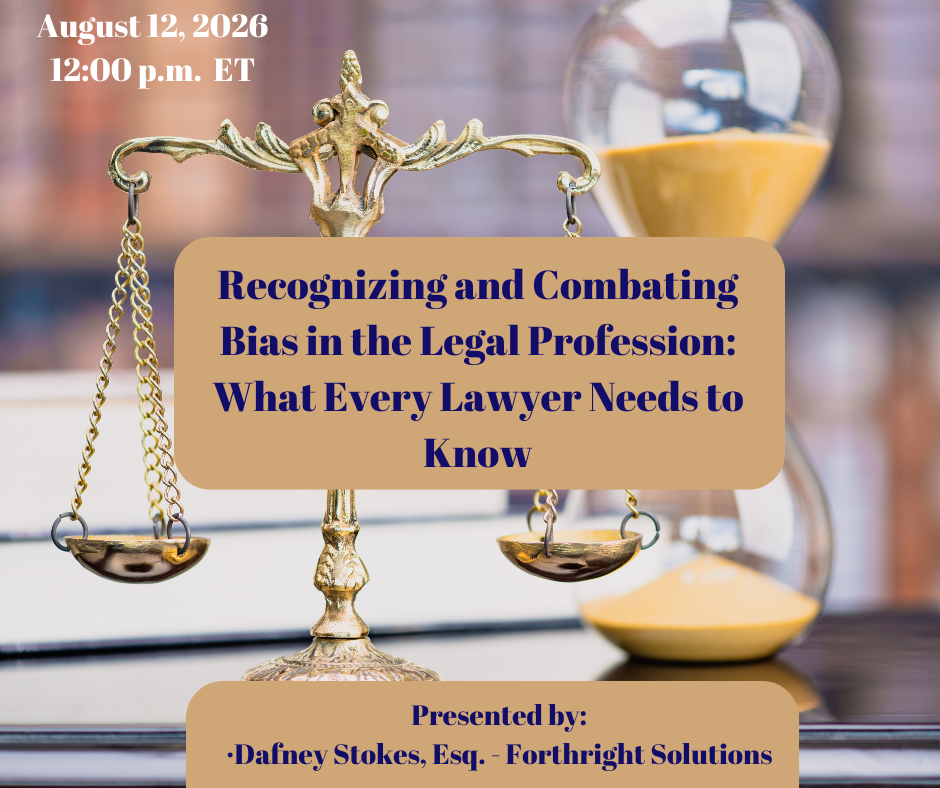
This one-hour CLE program examines the impact of implicit and systemic bias within the legal profess...
This dynamic CLE presentation challenges trial lawyers to rethink everything they were taught about ...
Most legal professionals are operating in survival mode whether they realize it or not. Not crisis-l...

Cybercriminals increasingly target law firms, attorneys, legal staff, and their clients through soph...
Adverse and derogatory information often has devastating effects on a contractor's ability to win co...
Have you felt overwhelmed by the amount of technology available to family lawyers? We'll get to know...
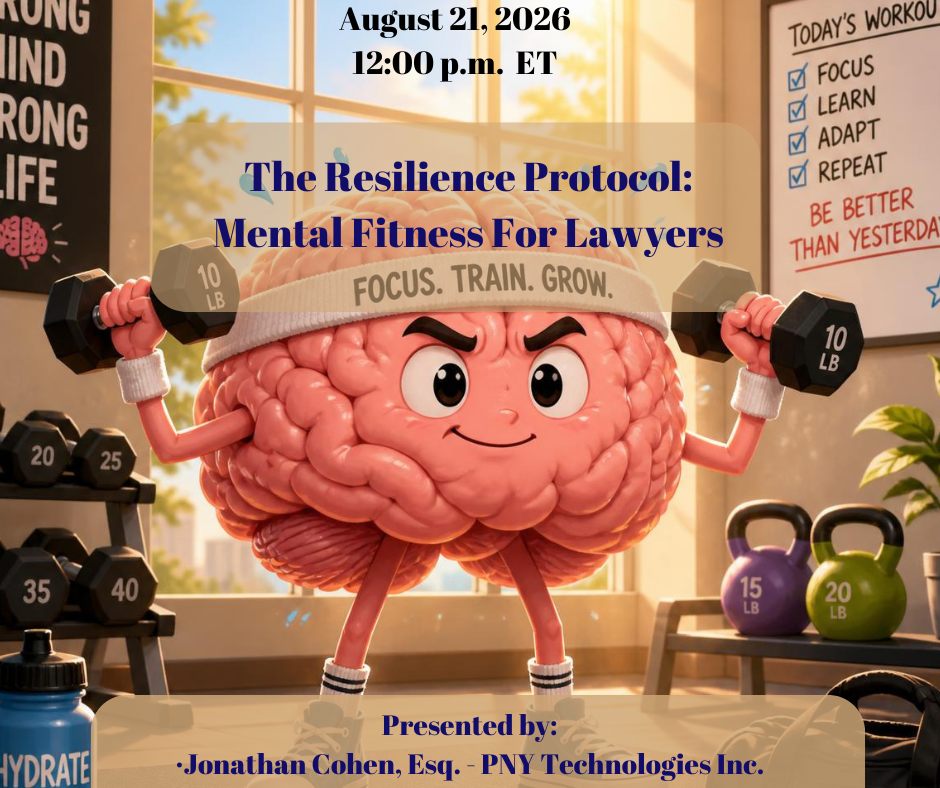
This 60-minute session gives you a practical operating system for the mental side of legal work: how...
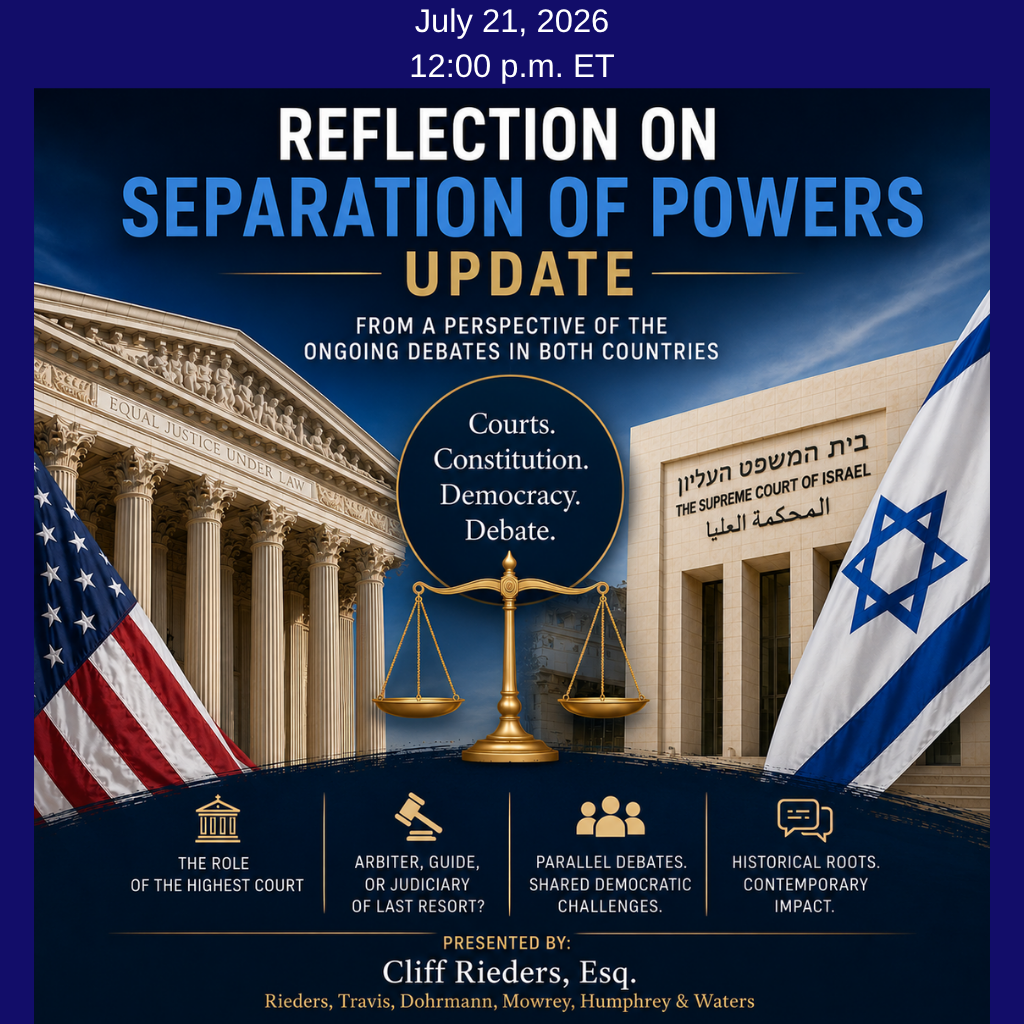
Separation of Powers in United States and Israel from a Perspective of the Ongoing Debates in Both C...