
Exciting new series on “Voice, Body and Movement for Lawyers – How to connect with the jury and find Justice Through Dramatic Technique!”
Click here to find out more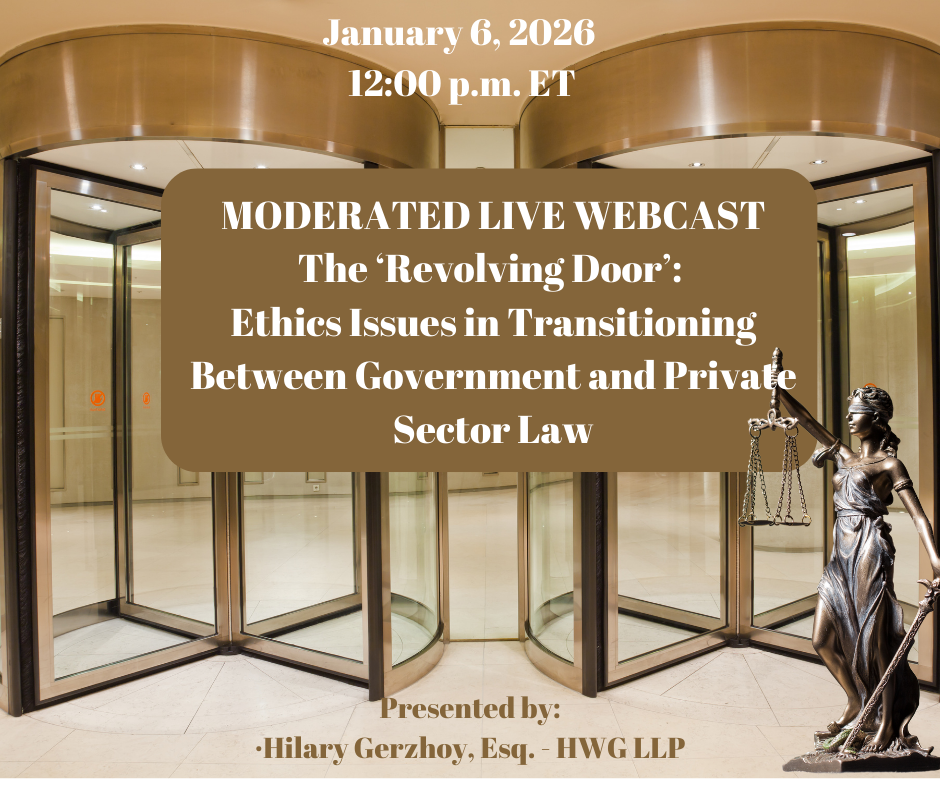
This CLE will cover the critical ethics issues involved in leaving government practice for the private sector. It will describe the applicable ethics rules, statutes, and regulations that govern applying for private sector jobs while serving in the government, as well as how to ethically transition from the public to private sector. The CLE will cover the key Rules of Professional Conduct implicated in “revolving door” transitions including Rule 1.7 (current client conflicts), Rule 1.9 (former client conflicts), Rule 1.6 (confidentiality), and Rule 1.11 (successive government and private employment). It will also describe the relevant portions of 18 U.S.C. 207 (Post-Employment Restrictions), 18 U.S.C. 208 (Personal Financial Interests), and 5 CFR Part 2635, Subpart F (Negotiating for Employment).

MODERATED-Attorneys may offer a crucial role in discussing advance (end of life) care planning optio...

Part 1 of 2 - Lawyers at all levels of experience and even sophisticated law firms and general couns...
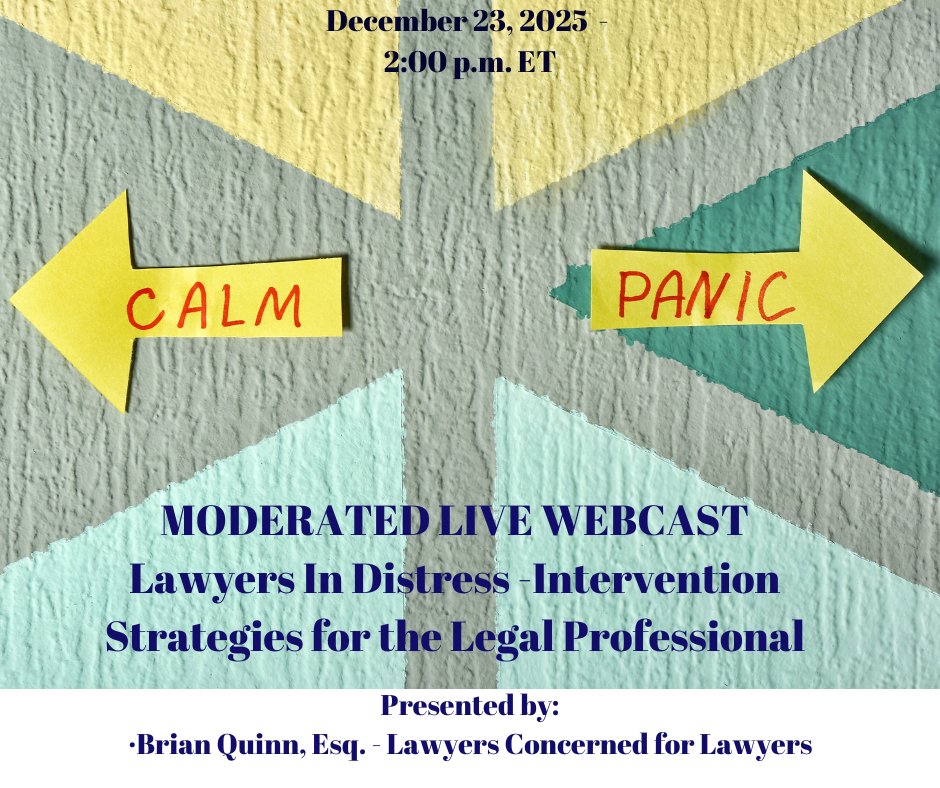
MODERATED- I’m ok. I can work this out for myself. I’m not like a “real” ...
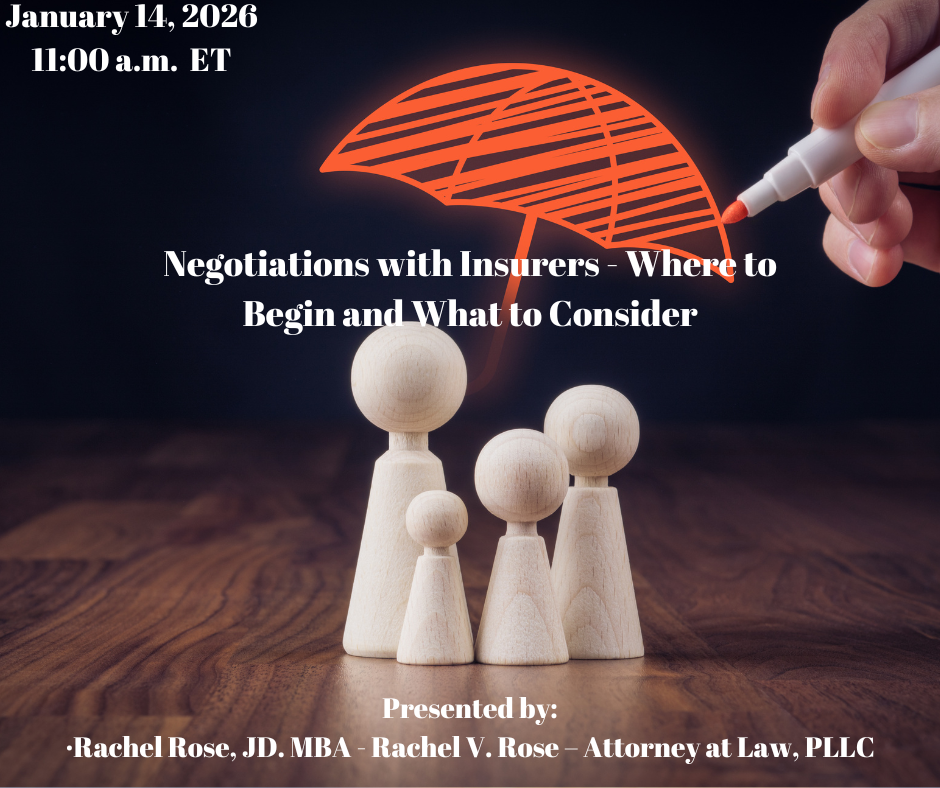
Insurance companies are interesting because they are beholden to the policy holder and to investors....
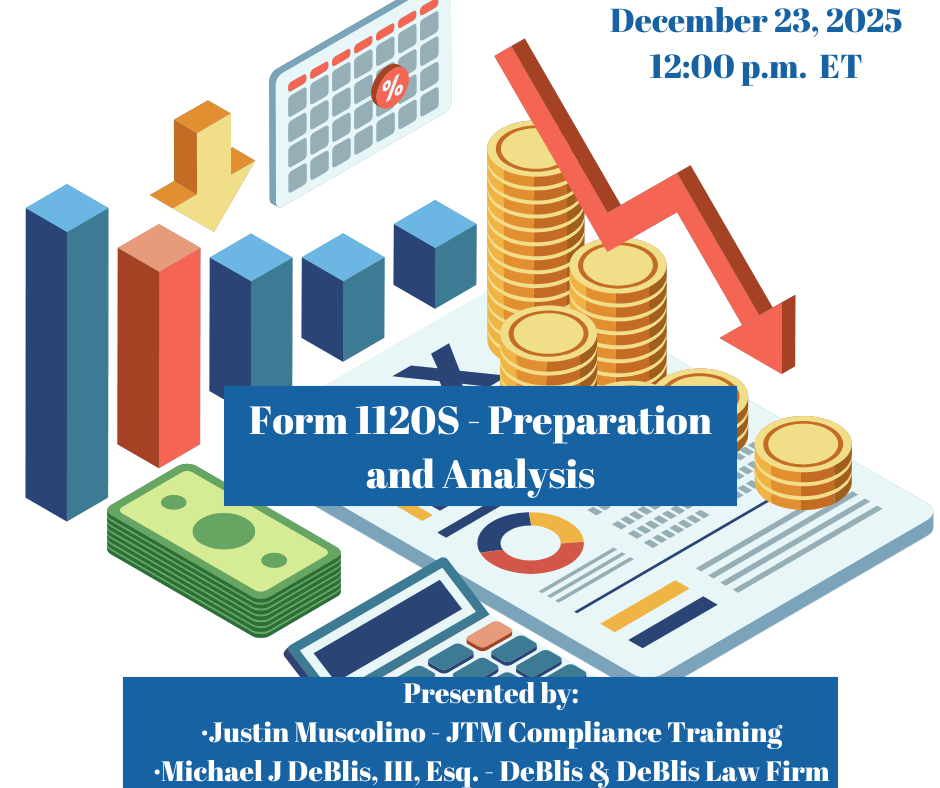
This course provides attorneys with a detailed examination of Form 1120S, including legal considerat...
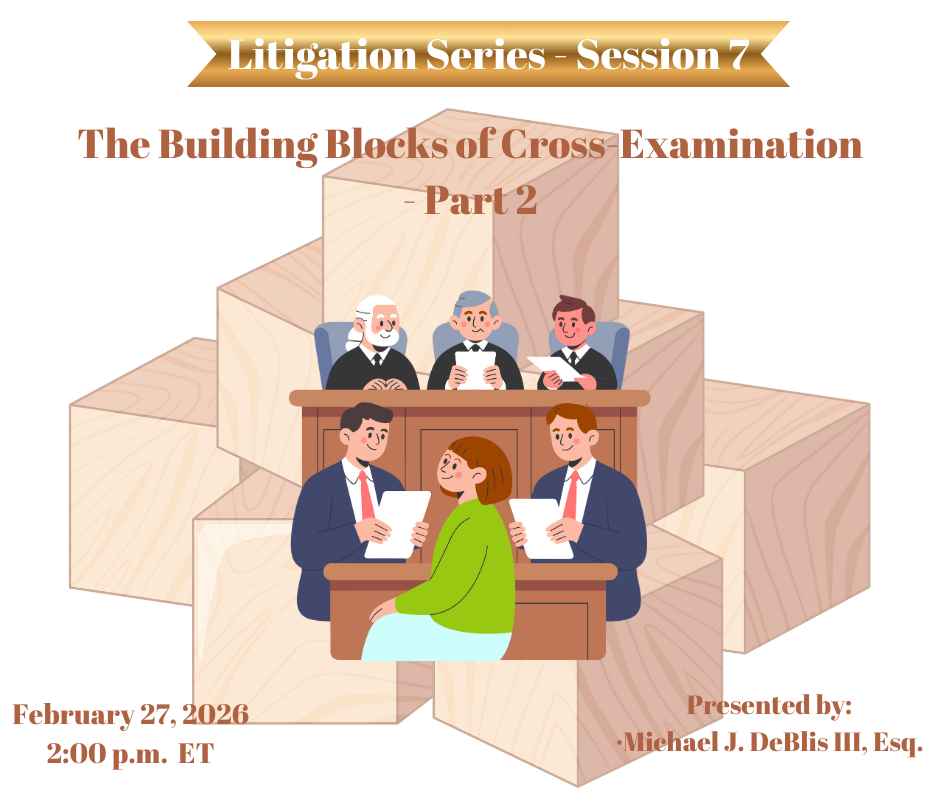
Part 2 dives deeper into advanced cross?examination techniques, teaching attorneys how to maintain c...
This comprehensive program synthesizes theatrical technique, psychology, communication theory, and t...
MODERATED-Session 9 of 10 - Mr. Kornblum, a highly experienced trial and litigation lawyer for over ...
As lawyers, time is our most finite resource. We have duties to our clients to ensure that their mat...
Dave Place, Esq., Founder of The Place Firm, will present a CLE providing practical tips to empower ...