
Exciting new series on “Voice, Body and Movement for Lawyers – How to connect with the jury and find Justice Through Dramatic Technique!”
Click here to find out more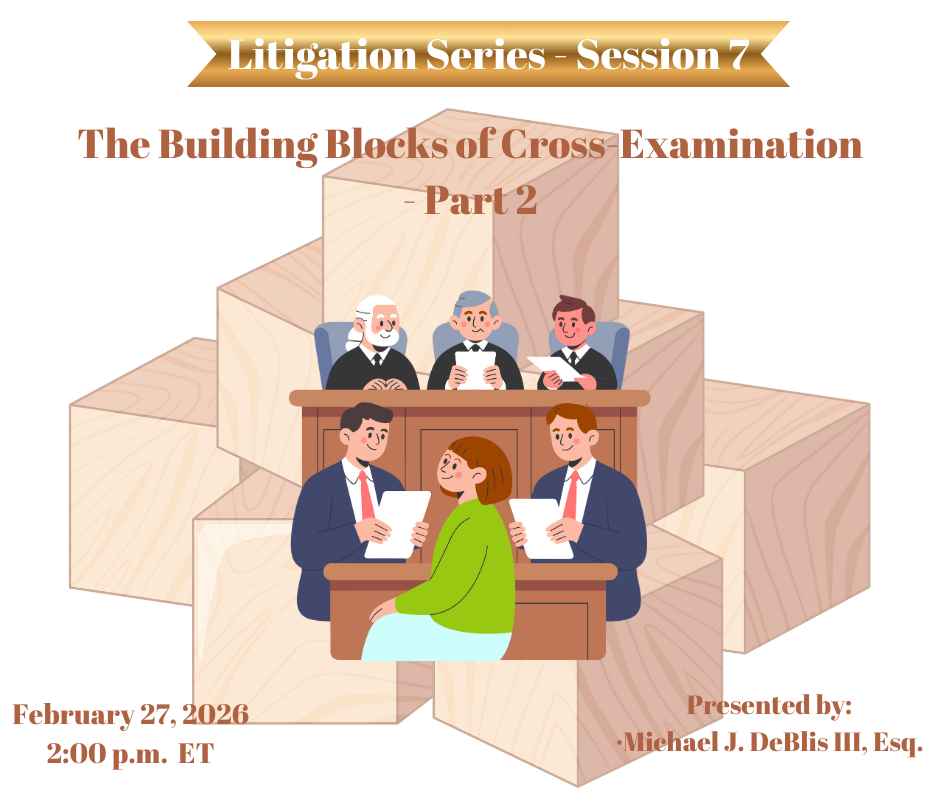
Part 2 dives deeper into advanced cross?examination techniques, teaching attorneys how to maintain control, structure questioning sequences, and expose weaknesses without appearing aggressive. It focuses on the psychological aspects of witness management, demonstrating how pacing, tone, and precision can reveal inconsistencies more effectively than confrontation.
Overall, the presentation emphasizes discipline, preparation, and the power of short, leading questions to shape testimony and influence juror perception.
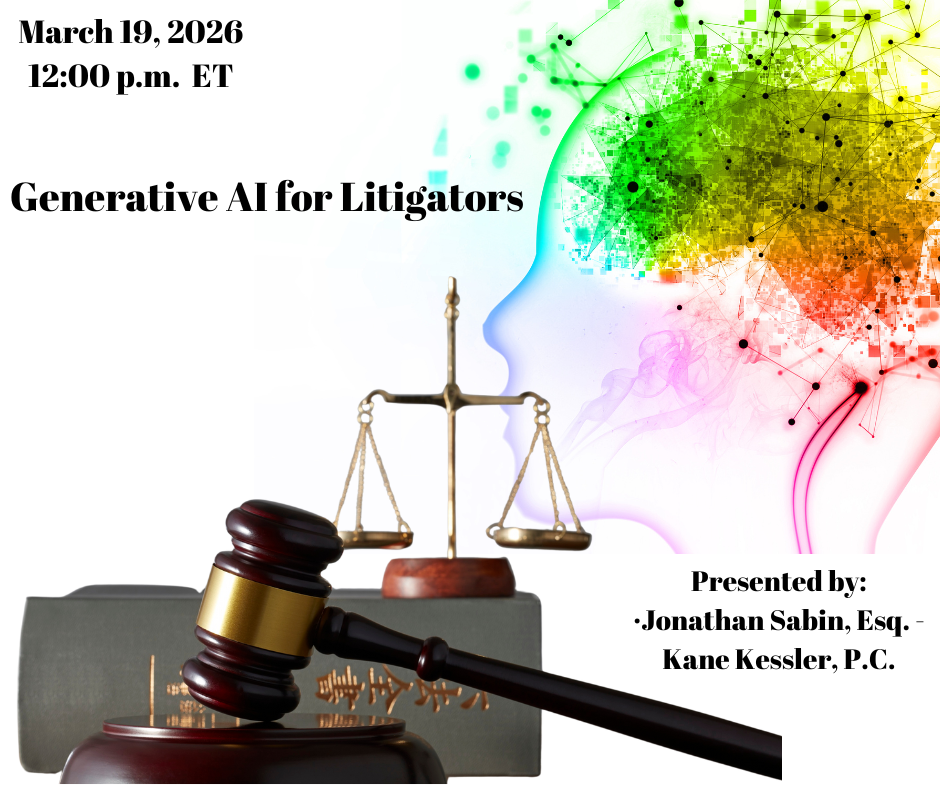
Explore the transformative potential of generative AI in modern litigation. “Generative AI for...
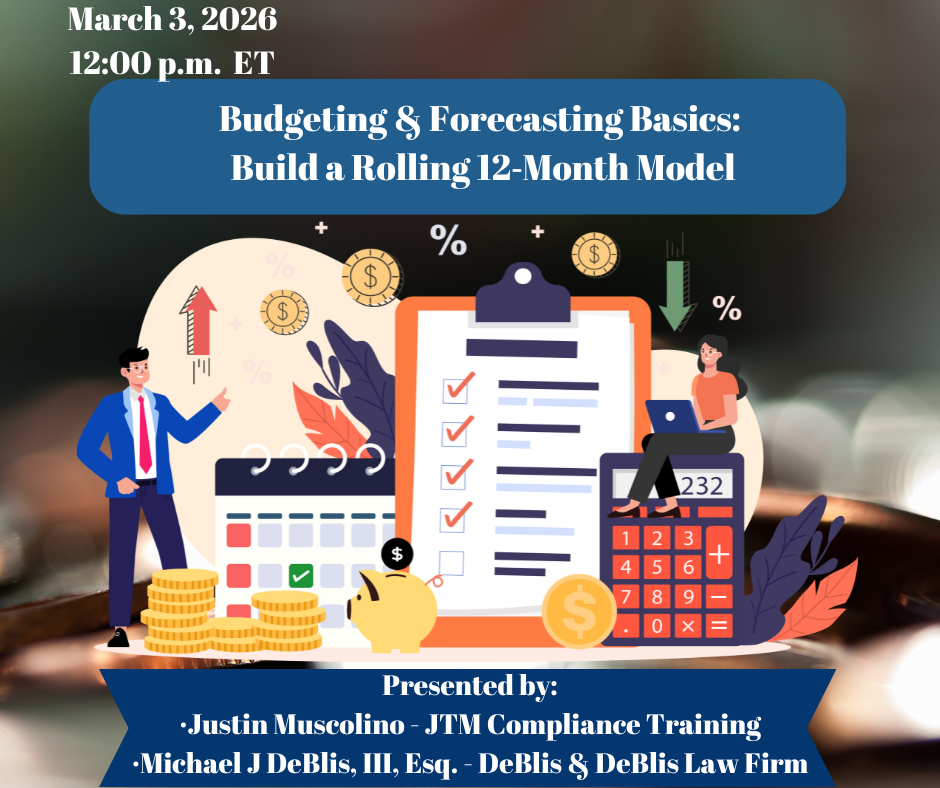
This CLE session introduces attorneys to budgeting and forecasting concepts used in corporate planni...
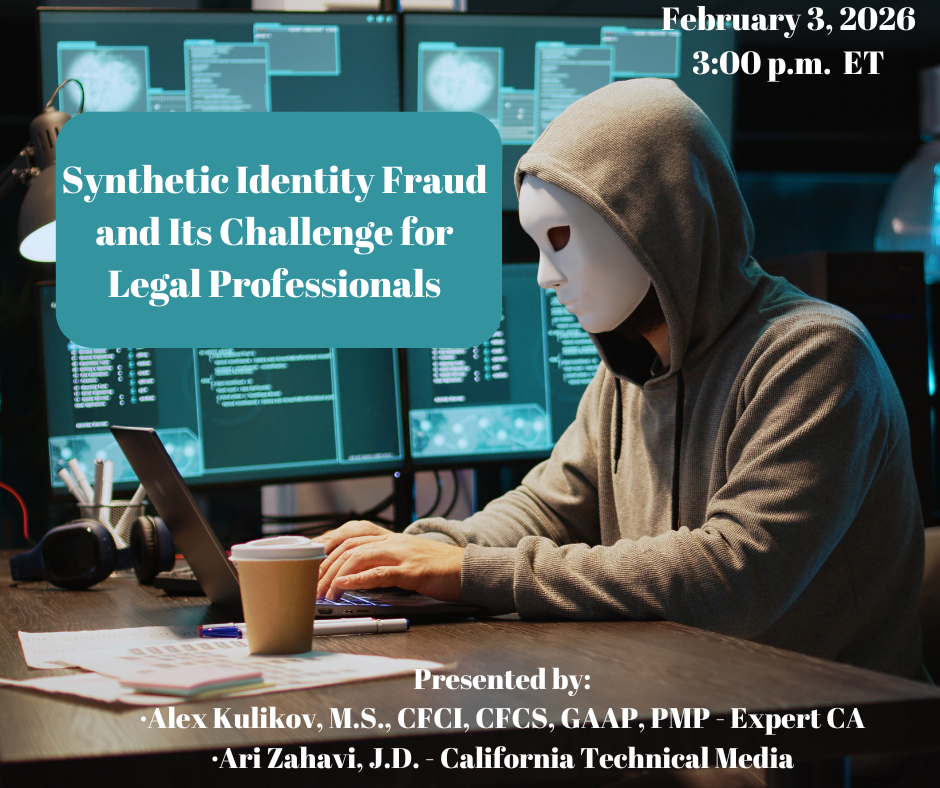
Synthetic identity fraud creates a significant legal and compliance challenge for professionals by c...
The “Chaptering Your Cross” program explains how dividing a cross?examination into clear...
The direct examination presentation outlines how attorneys can elicit truthful, credible testimony w...
This companion program to Part 1 goes deeper into the rhetorical power of Shakespeare, emphasizing h...
Evidence Demystified Part 1 introduces core evidentiary principles, including relevance, admissibili...

The statistics are compelling and clearly indicate that 1 out of 3 attorneys will likely have a need...
Part 1 - This program focuses specifically on cross?examining expert witnesses, whose credentials an...
Designed for attorneys without formal accounting training, this course provides a clear, practical f...