
Exciting new series on “Voice, Body and Movement for Lawyers – How to connect with the jury and find Justice Through Dramatic Technique!”
Click here to find out more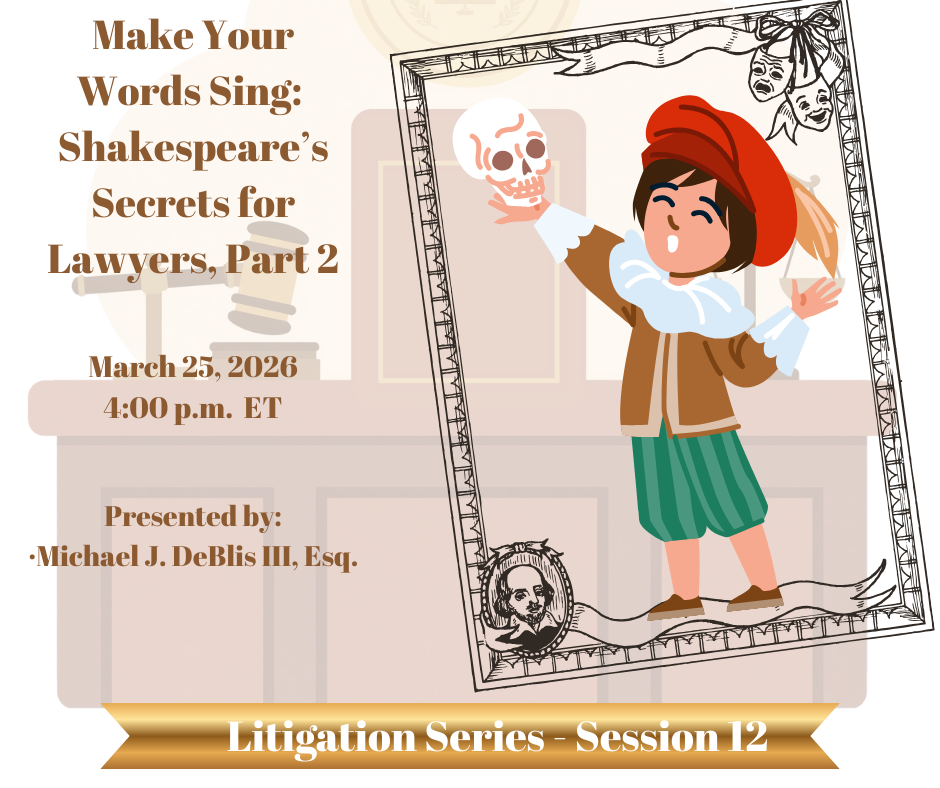
This companion program to Part 1 goes deeper into the rhetorical power of Shakespeare, emphasizing how verse, rhythm, and linguistic precision can elevate persuasion. It demonstrates how Shakespearean rhetoric—rooted in clarity, emotional accessibility, and structured argument—provides a blueprint for powerful opening statements, cross?examinations, and closings.
By embracing rhetorical tools such as cadence, emphasis, and imagery, attorneys can communicate with greater impact while maintaining authenticity and sincerity.
This course breaks down GAAP’s ten foundational principles and explores their compliance impli...
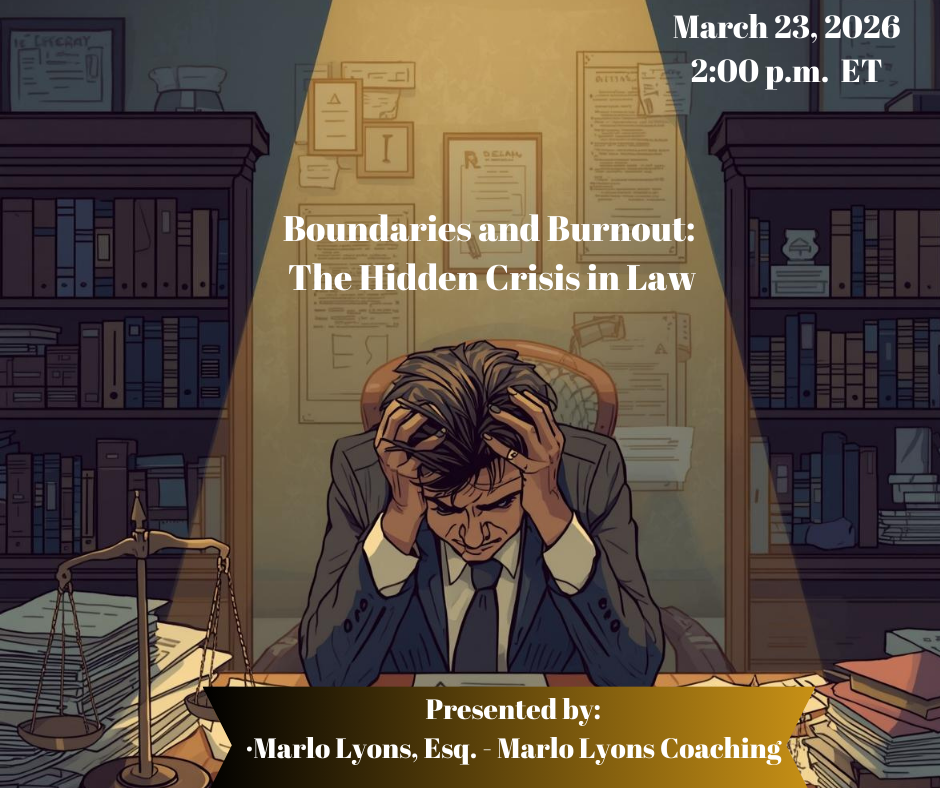
Boundaries and Burnout: The Hidden Crisis in Law is a 60-minute California MCLE Competence Credit pr...
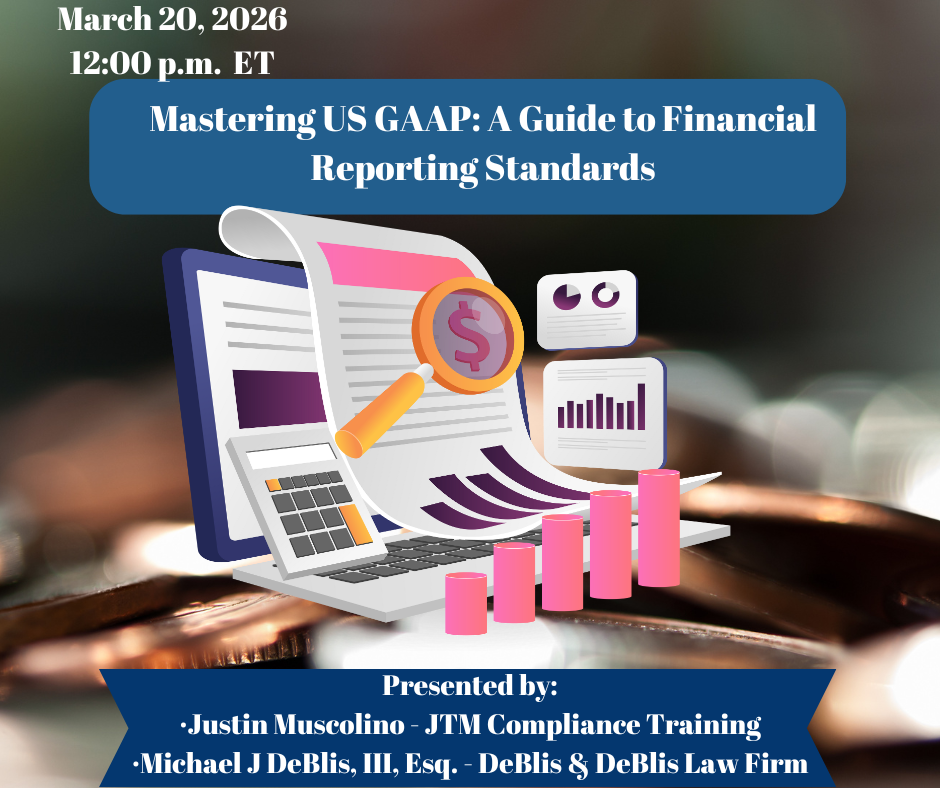
This advanced CLE dives into complex GAAP topics relevant to attorneys advising corporate, regulator...
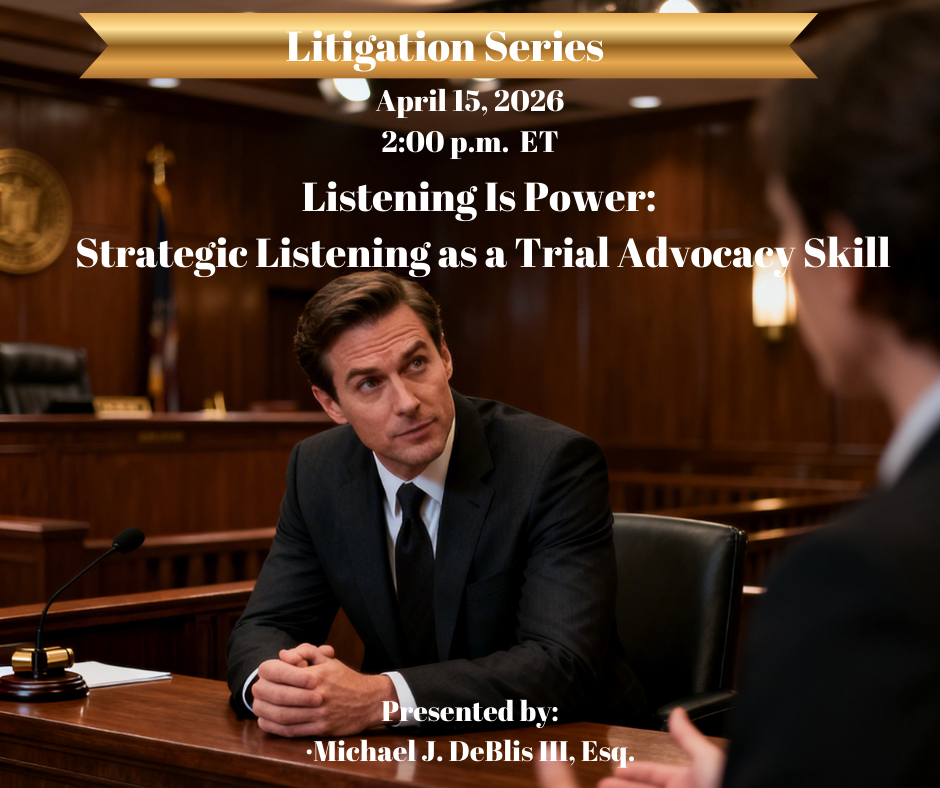
This program examines listening as an active, strategic trial advocacy skill rather than a passive c...
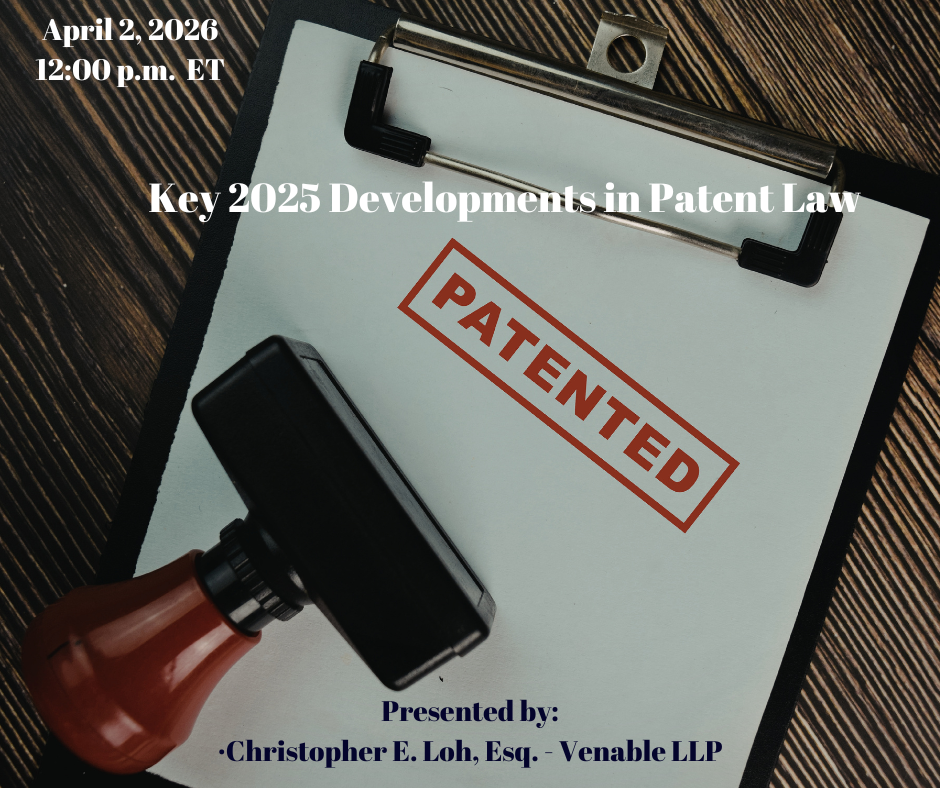
United States patent law and the United States Patent and Trademark Office’s patent-related gu...
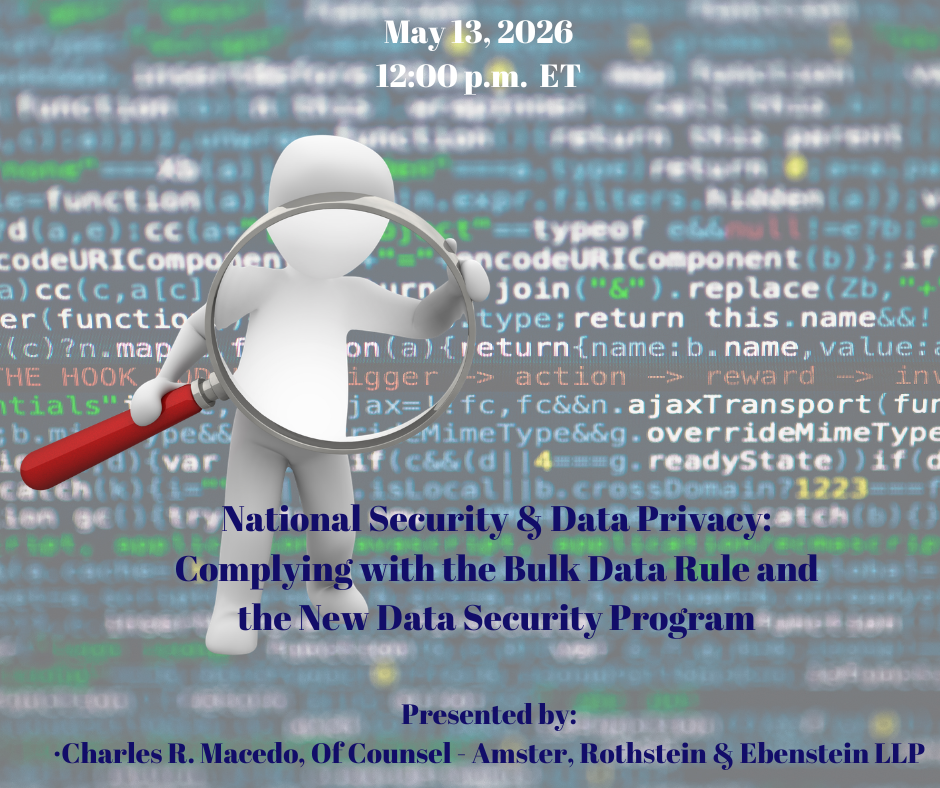
In an era of heightening geopolitical tension, the protection of sensitive personal data has moved f...
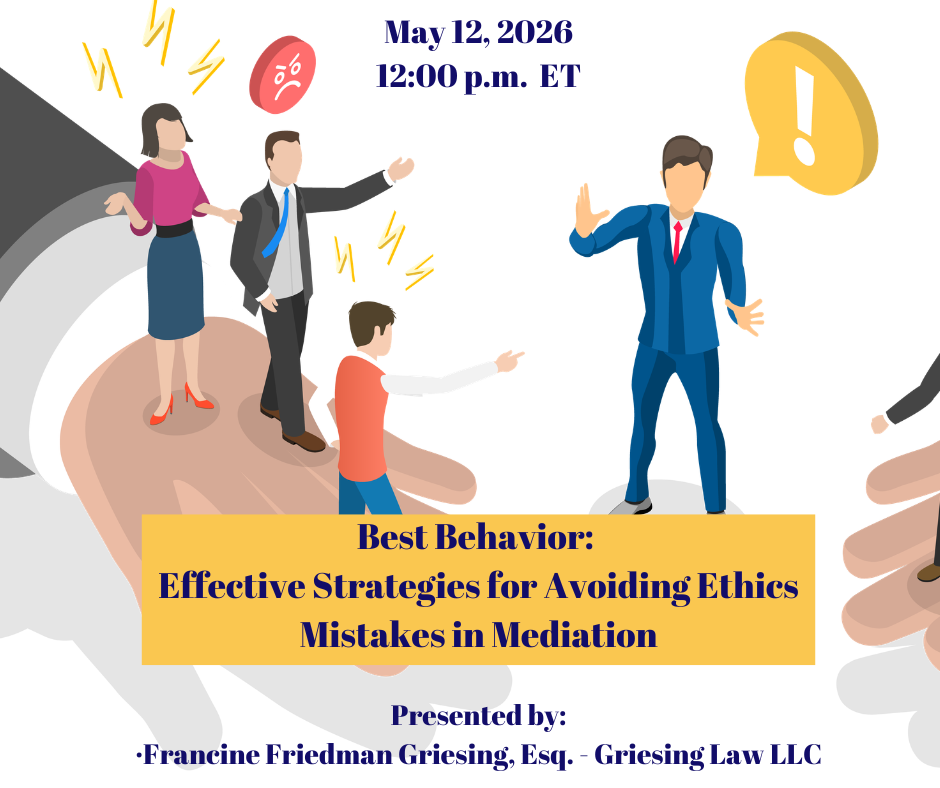
This program will address the ethical obligations of Lawyer Advocates representing clients in mediat...
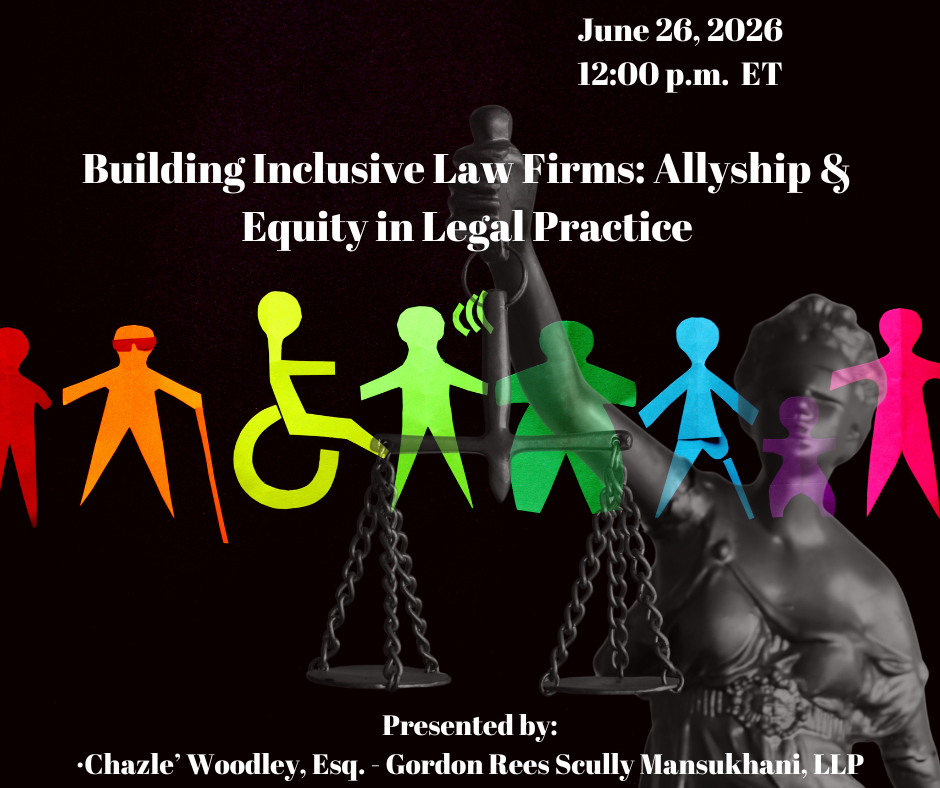
This interactive course is designed to equip legal professionals with the knowledge, tools, and stra...
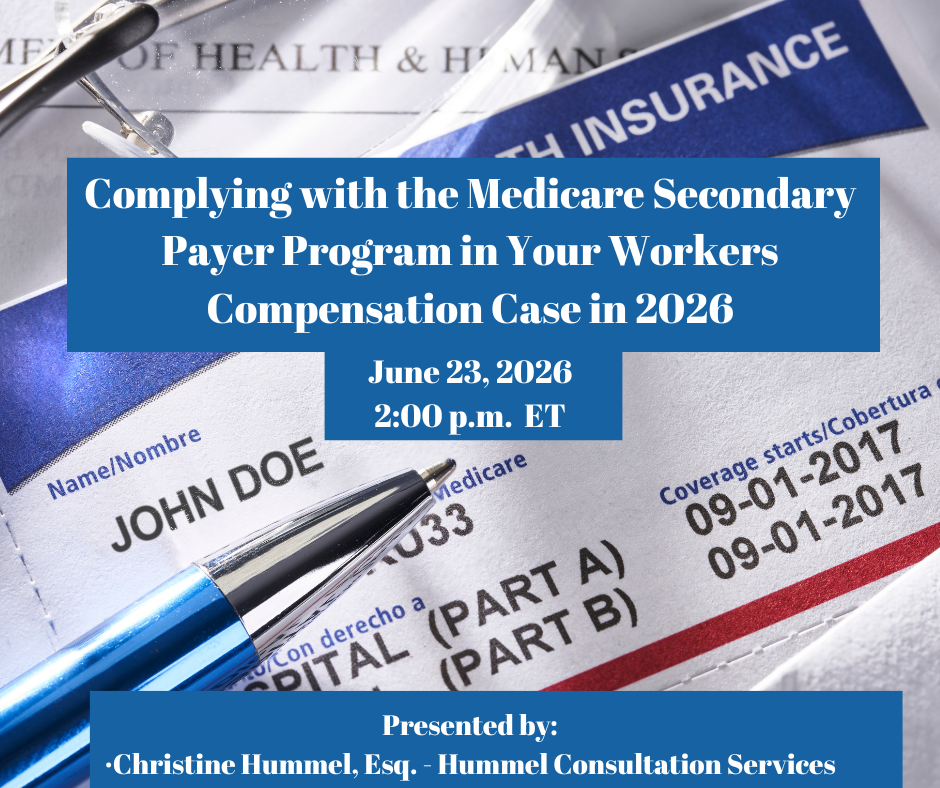
This course will provide a detailed overview of the Medicare Secondary Payer act as well as provide ...
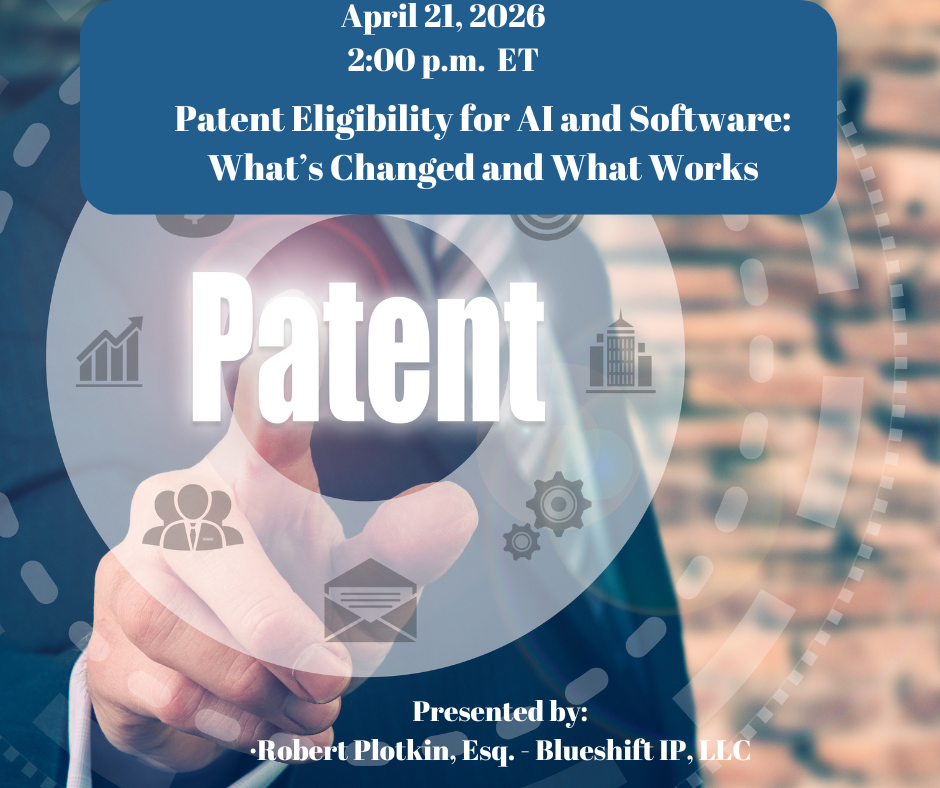
This program examines critical 2025-2026 developments in patent eligibility for software and AI inve...