
Exciting new series on “Voice, Body and Movement for Lawyers – How to connect with the jury and find Justice Through Dramatic Technique!”
Click here to find out more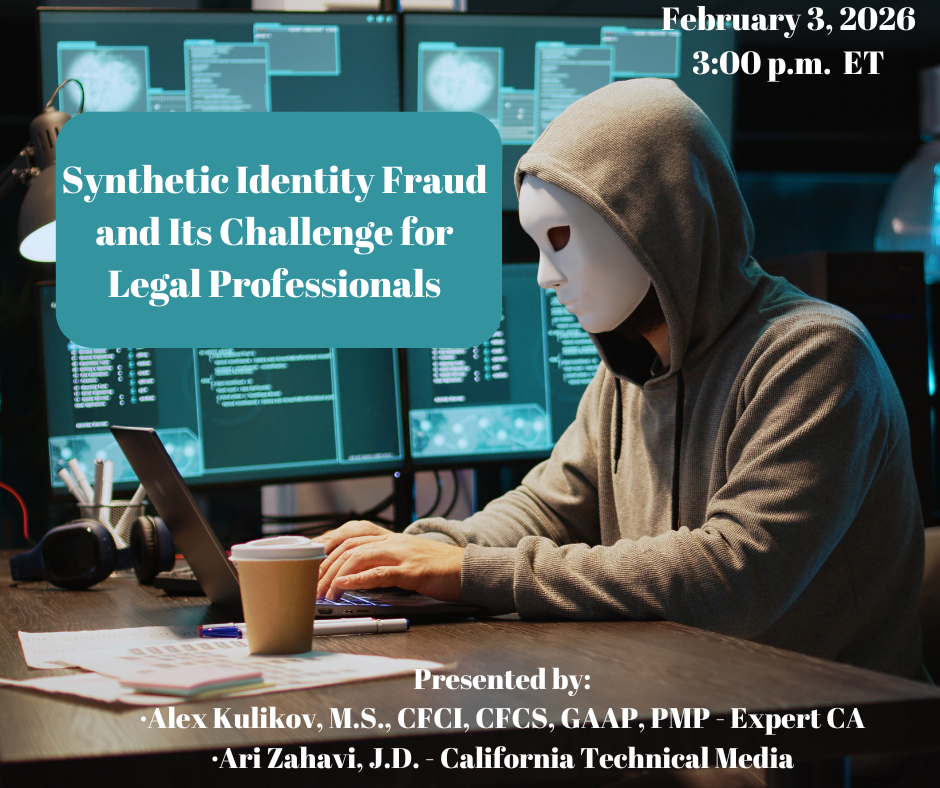
Synthetic identity fraud creates a significant legal and compliance challenge for professionals by complicating identity verification, increasing liability, and necessitating new strategies to combat fraud and maintain regulatory compliance. Legal teams must adapt to this evolving threat by strengthening fraud policies, ensuring compliance with privacy laws, and developing internal processes to detect and manage synthetic IDs to prevent both financial and legal repercussions. In this program, we will look at the nature of synthetic identity fraud and address the key challenges and roles for legal professionals.
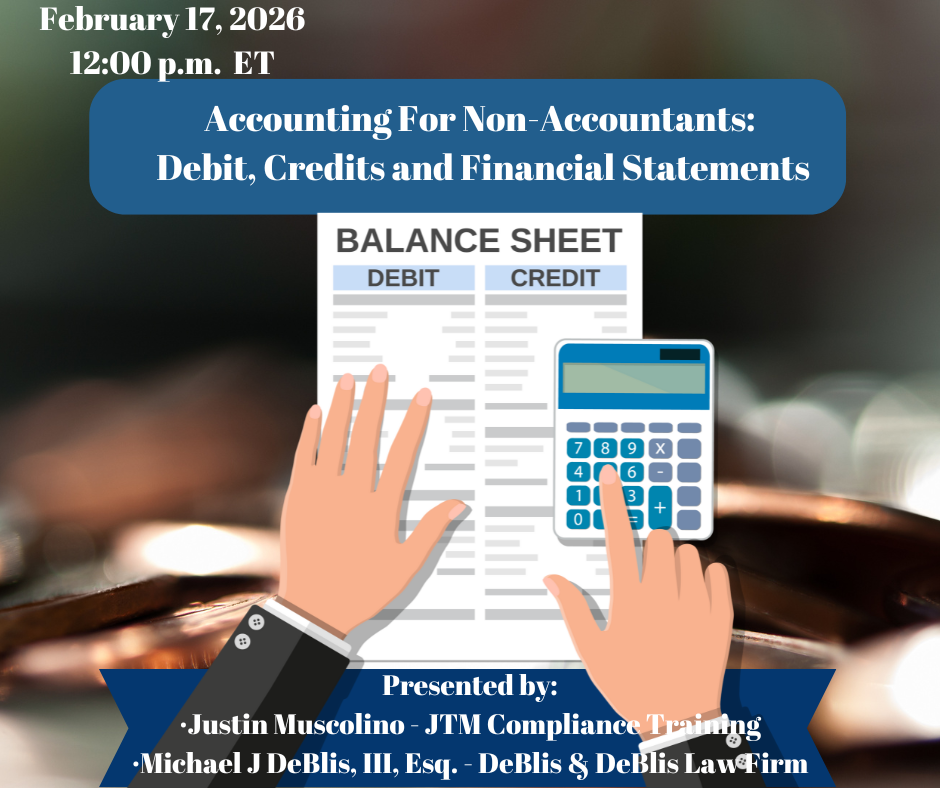
Designed for attorneys without formal accounting training, this course provides a clear, practical f...
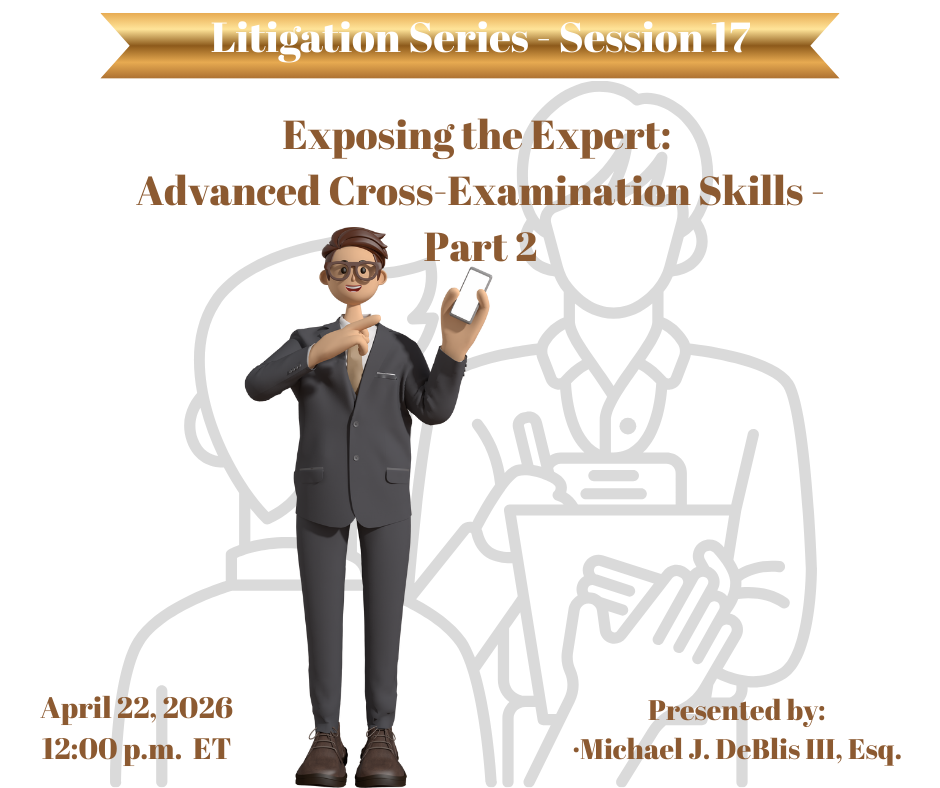
Part 2 - This program will continue the discussion from Part 1 focusing specifically on cross?examin...
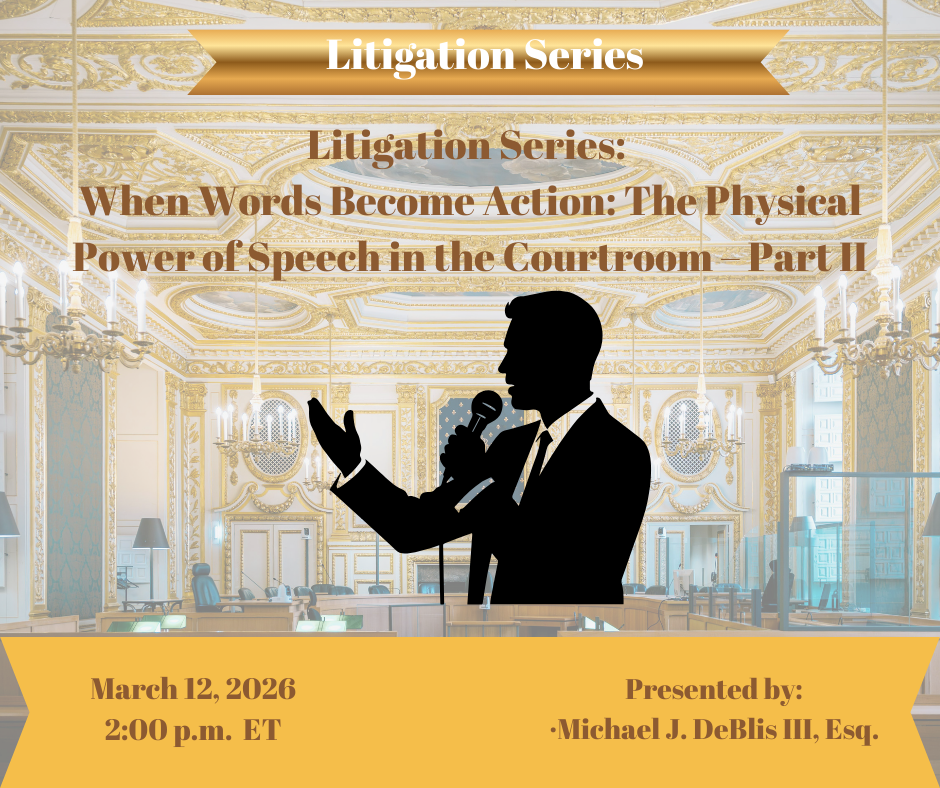
Part II builds on the foundation established in Part I by examining how classical rhetorical styles ...
The False Claims Act continues to be the federal Government’s number one fraud fighting tool. ...
This presentation provides an overview of copyright law particularly as it applies to music. The pre...
In this course, Dr. Carlson will present a broad overview of what scientific research has discovered...
This Shakespeare?inspired program illustrates how Shakespearean technique can enrich courtroom advoc...

This program explores listening as a foundational yet under-taught lawyering skill that directly imp...
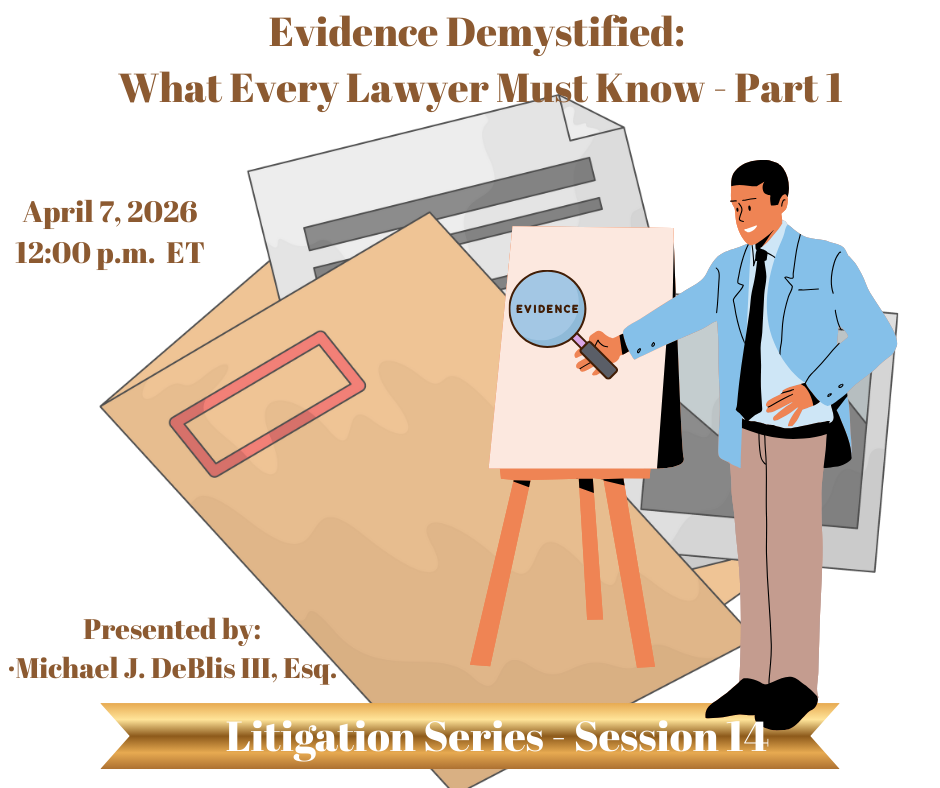
Evidence Demystified Part 1 introduces core evidentiary principles, including relevance, admissibili...
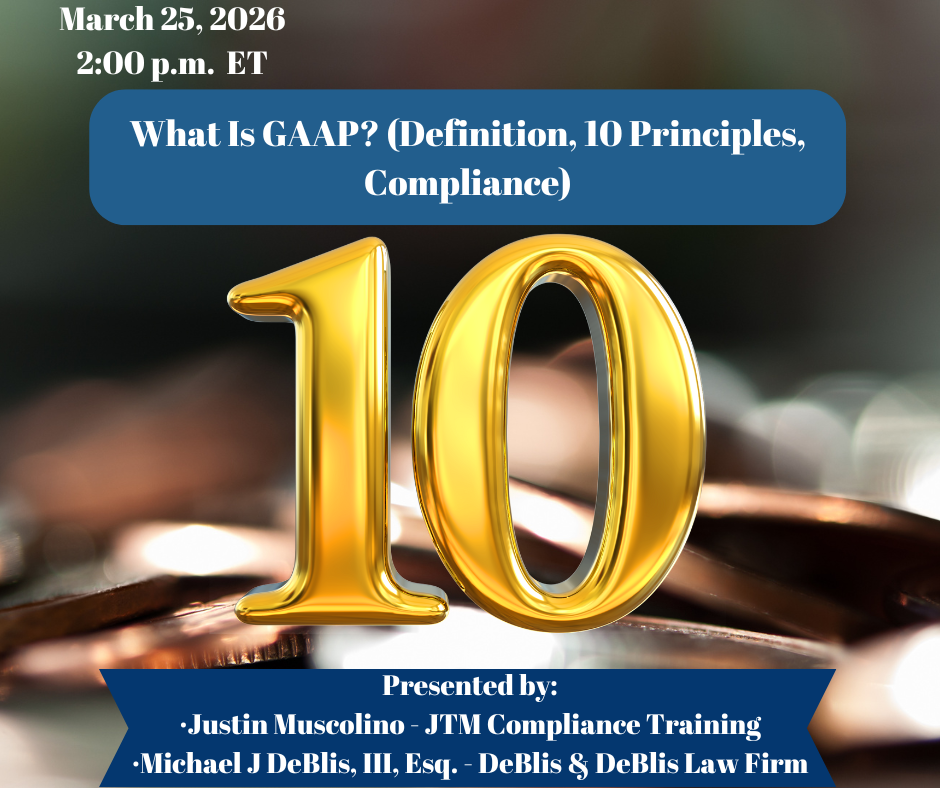
This course breaks down GAAP’s ten foundational principles and explores their compliance impli...