
Exciting new series on “Voice, Body and Movement for Lawyers – How to connect with the jury and find Justice Through Dramatic Technique!”
Click here to find out more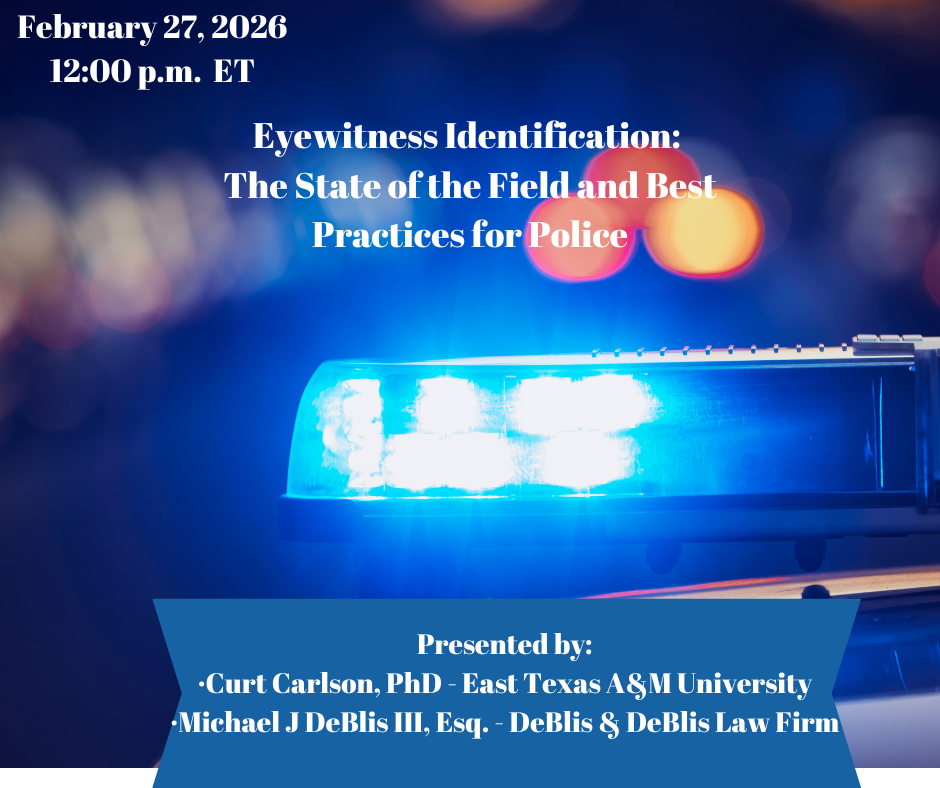
In this course, Dr. Carlson will present a broad overview of what scientific research has discovered about eyewitness identification, and the resulting best practices recommendations for police.
Specifically, he will cover the essential findings regarding how eyewitness memory is affected by: (a) aspects of the crime (e.g., distance, lighting, cross-race effect, weapon focus effect) and (b) police interactions with the eyewitness, including the identification procedure (e.g., showups, lineups). Based on this research, there are currently nine core recommendations from the scientific field of eyewitness identification to police, and Dr. Carlson will cover each of these. He will include information about what eyewitness evidence is actually probative of suspect guilt versus innocence.
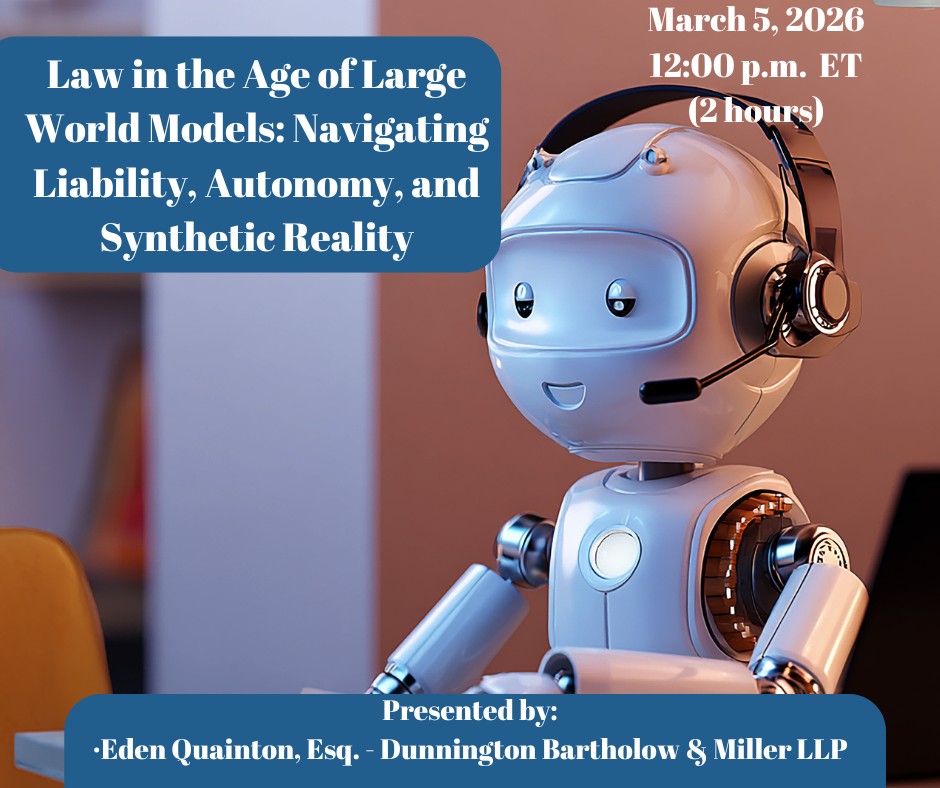
Large World Models (LWMs)— the next generation of AI systems capable of generating...
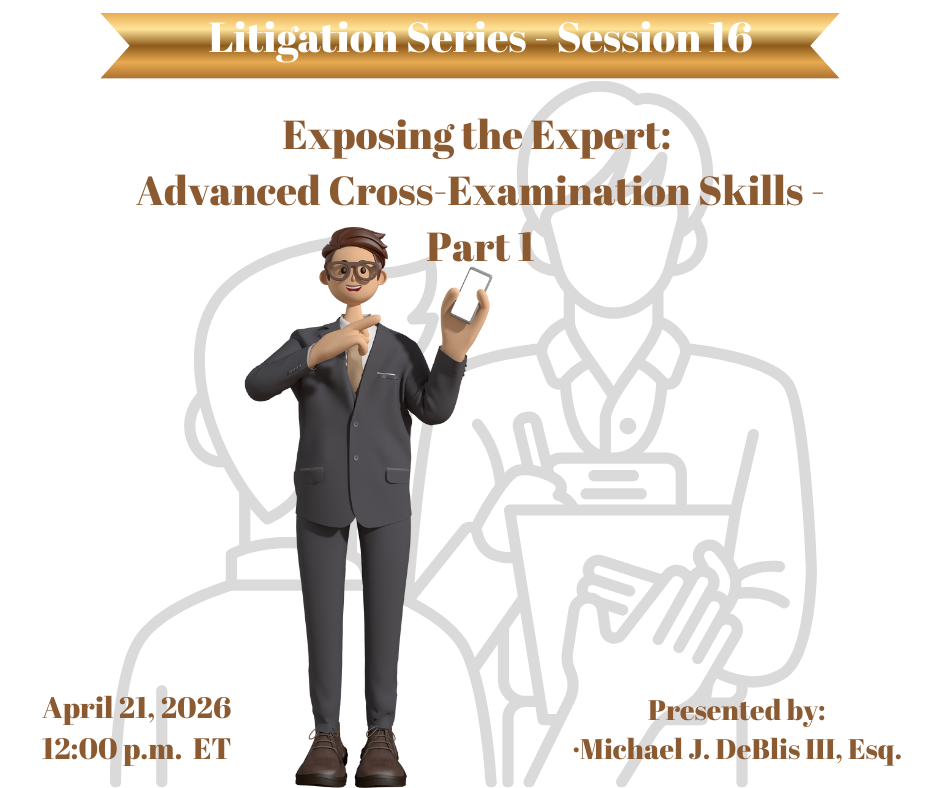
Part 1 - This program focuses specifically on cross?examining expert witnesses, whose credentials an...
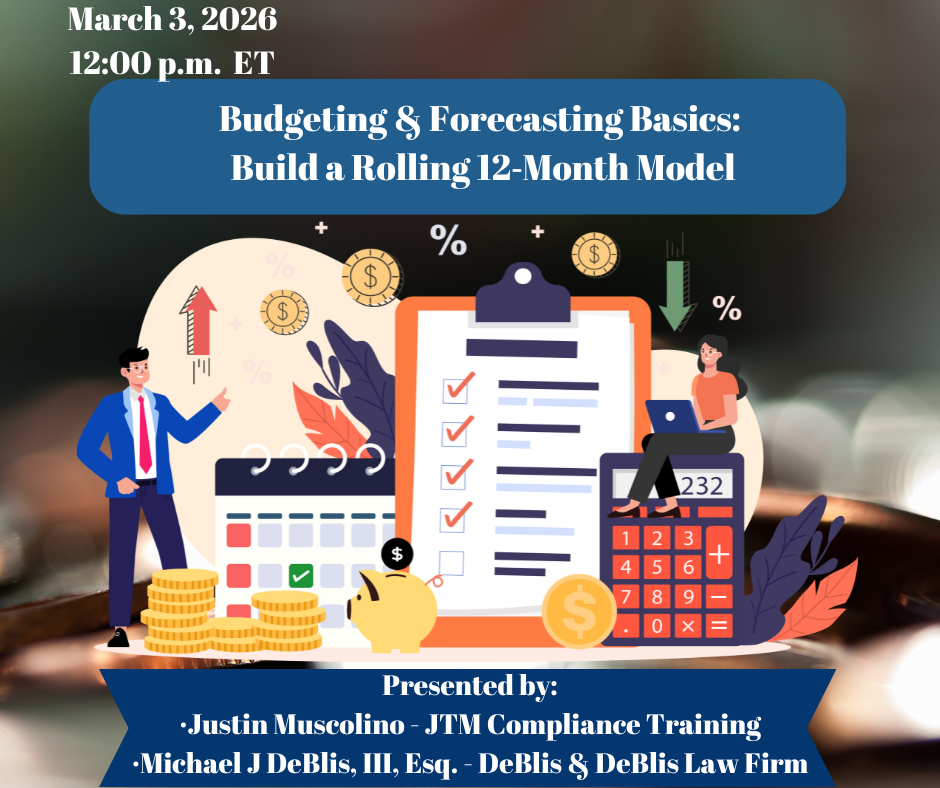
This CLE session introduces attorneys to budgeting and forecasting concepts used in corporate planni...
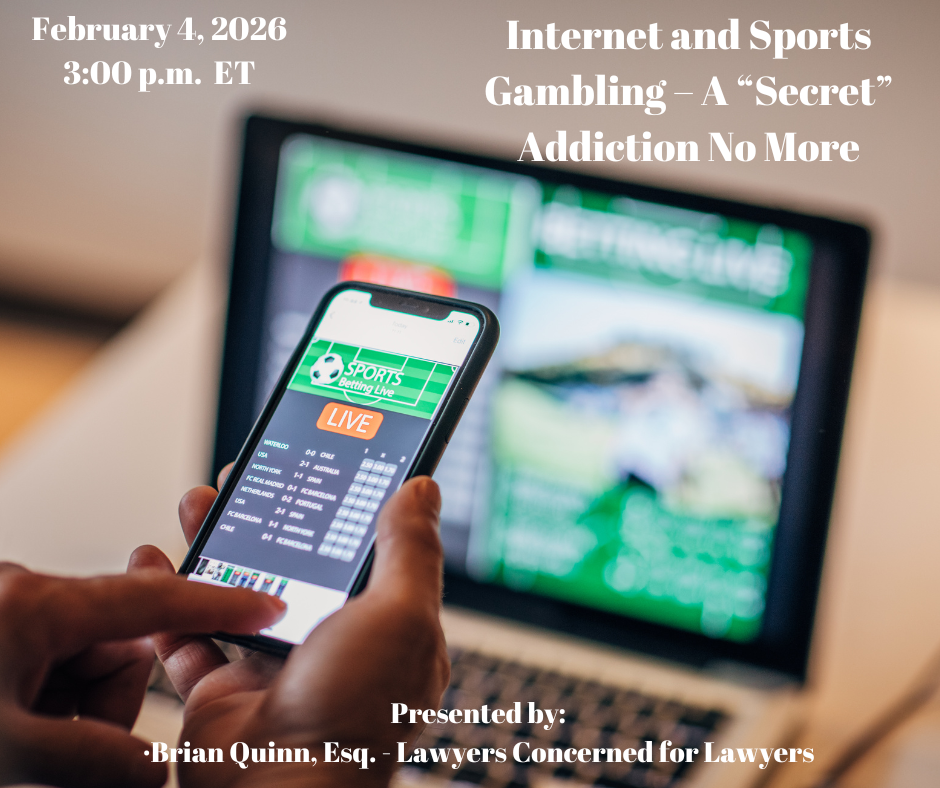
The statistics are compelling and clearly indicate that 1 out of 3 attorneys will likely have a need...
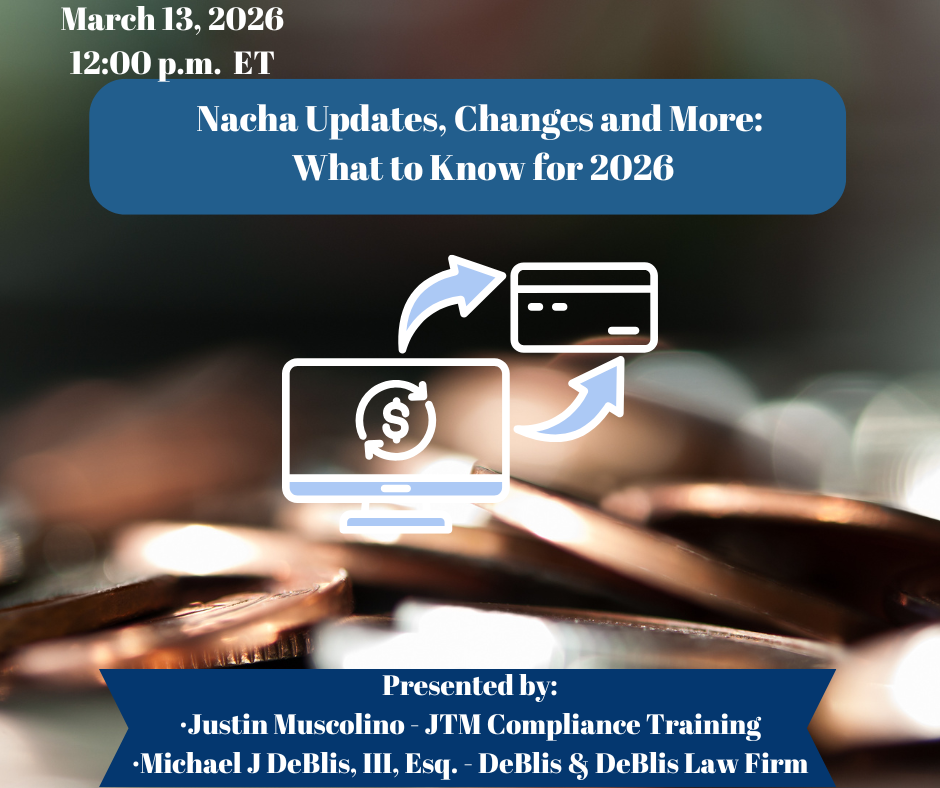
This attorney-focused program reviews upcoming Nacha rule changes for 2026 with emphasis on legal ob...
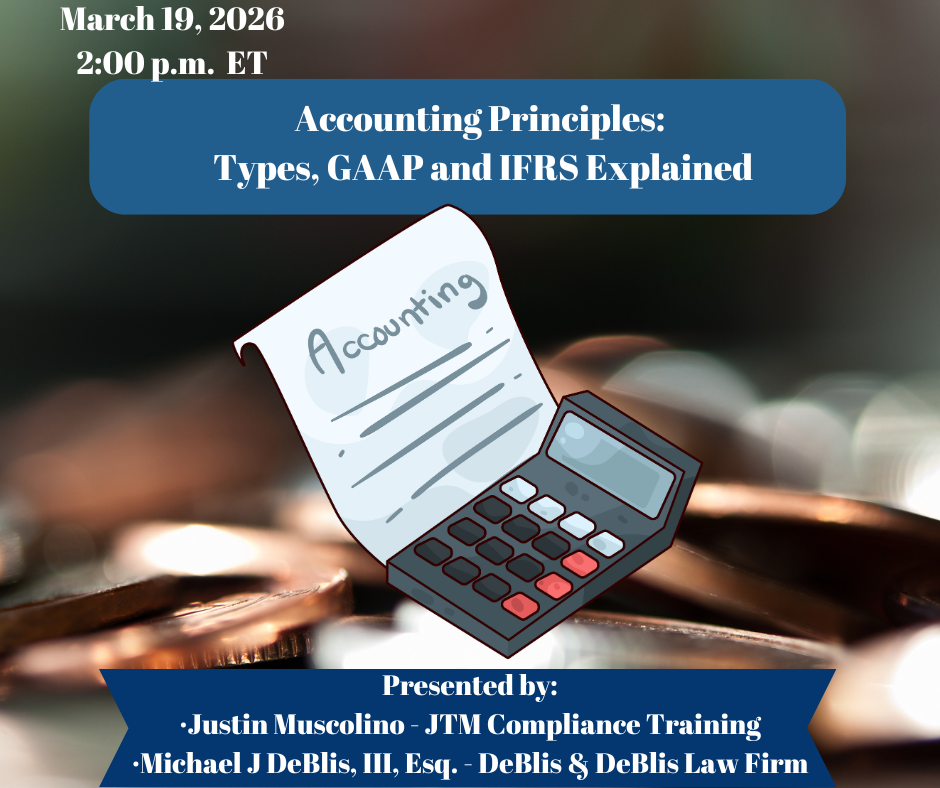
Attorneys will receive a comparative analysis of GAAP and IFRS with emphasis on cross-border legal c...
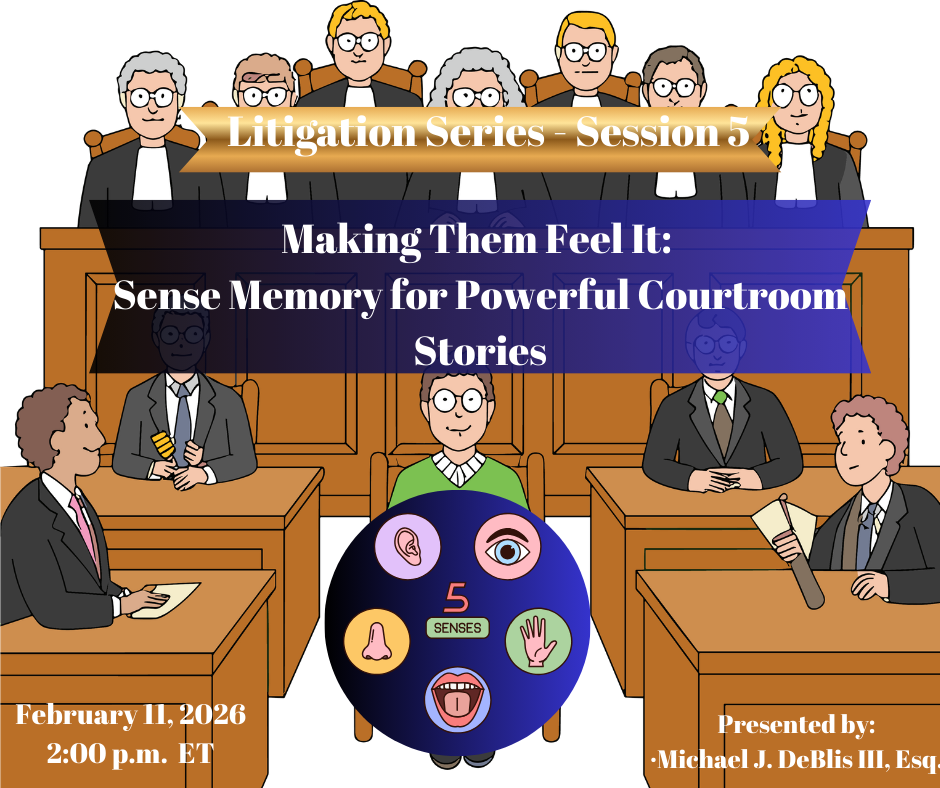
This presentation examines how “sense memory,” a core acting technique, can help lawyers...
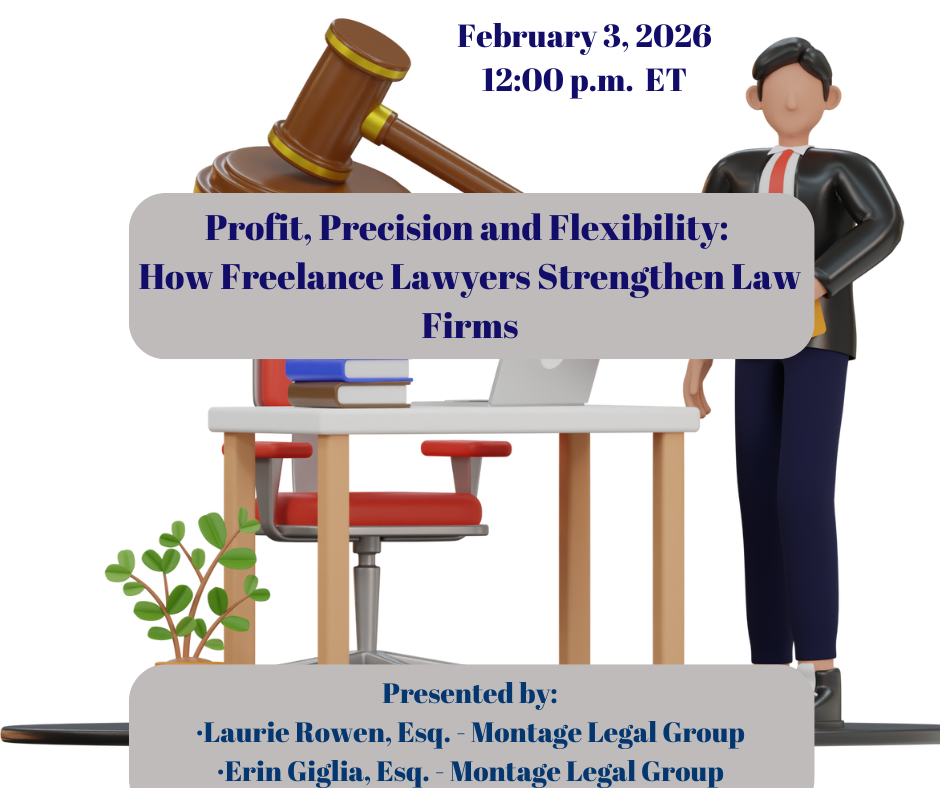
Law firms across the country are rethinking traditional staffing models to stay competitive, reduce ...
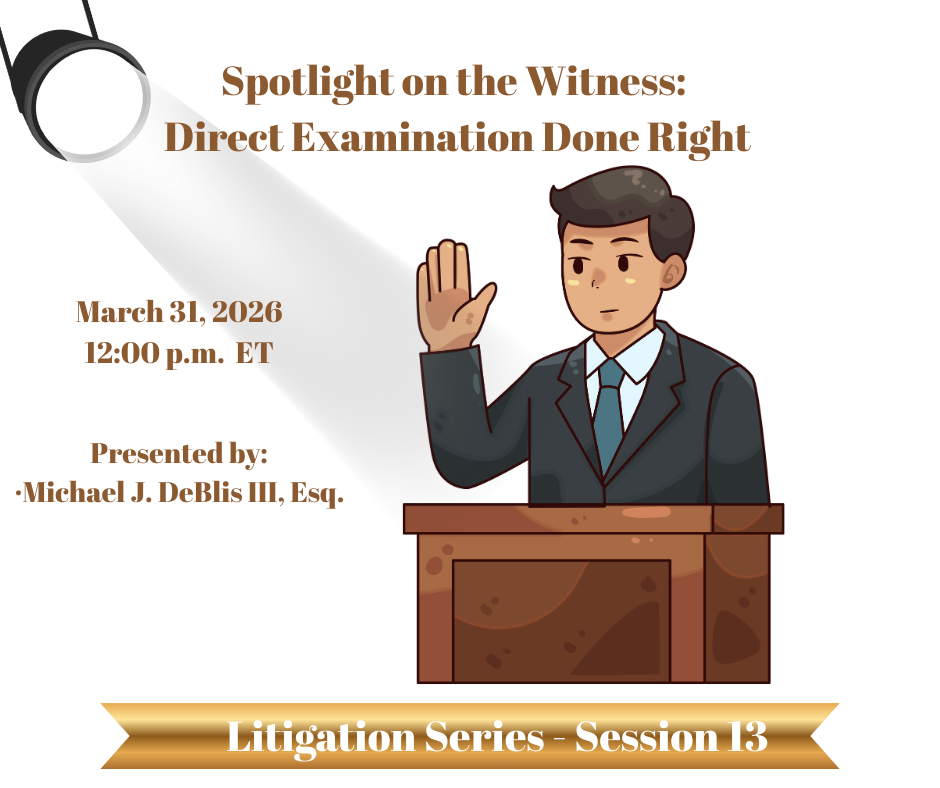
The direct examination presentation outlines how attorneys can elicit truthful, credible testimony w...

This course clarifies the distinction between profit and cash flow from a legal perspective. Attorne...