
Exciting new series on “Voice, Body and Movement for Lawyers – How to connect with the jury and find Justice Through Dramatic Technique!”
Click here to find out more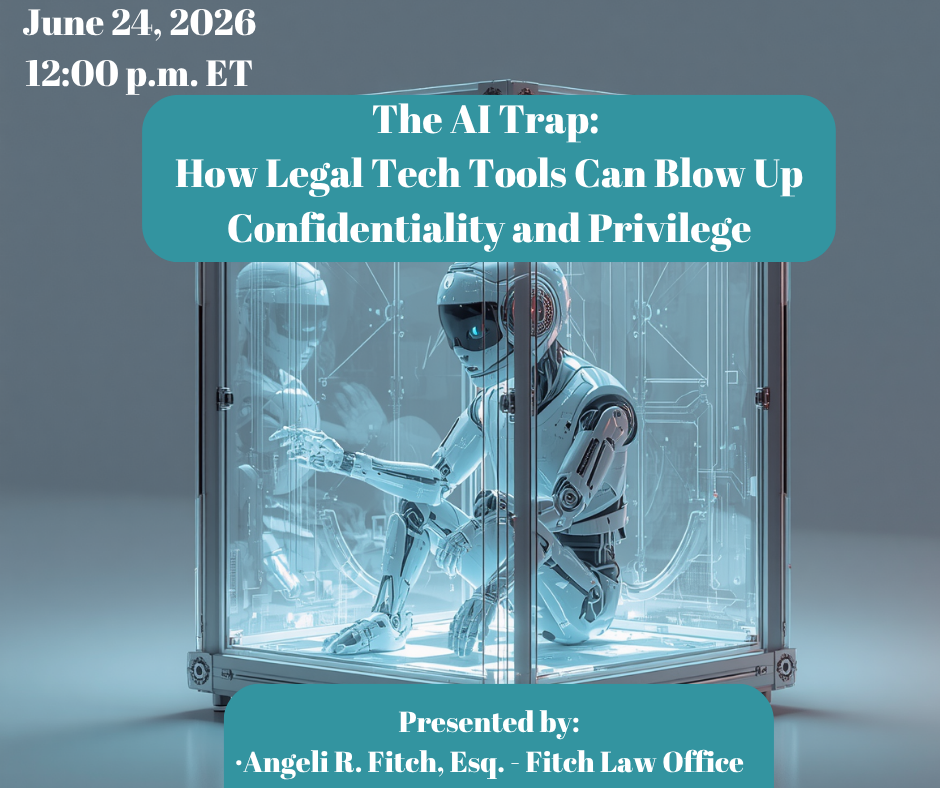
Many law firms now rely on AI?driven research, drafting, and workflow tools without fully understanding where client data goes—or what that means for confidentiality and privilege. From “quick” AI chats to integrated practice platforms, seemingly routine use of legal tech can expose client confidences to third parties, compromise privilege, and create discoverable records that regulators, courts, and adversaries can later exploit. This program uses ABA Formal Opinion 512 and leading ethics guidance on AI to unpack how data flows, vendor terms, and user behavior can undermine core duties under Rules 1.1, 1.4, 1.6, 5.1, and 5.3, with a particular focus on cloud-based and AI-enabled tools used in everyday practice. Attendees will learn how to spot high?risk AI use cases, evaluate whether communications are likely to be treated as privileged, and redesign policies, contracts, and workflows so that innovation does not come at the cost of client confidentiality.
Learning Objectives:
Jurisdiction Disclaimer:
This course provides ethics guidance grounded in national authorities, including ABA materials, and generally applicable confidentiality and privilege principles. Attorneys remain responsible for reviewing the rules, ethics opinions, privilege doctrines, and court requirements that govern AI and legal tech use in their own jurisdiction.
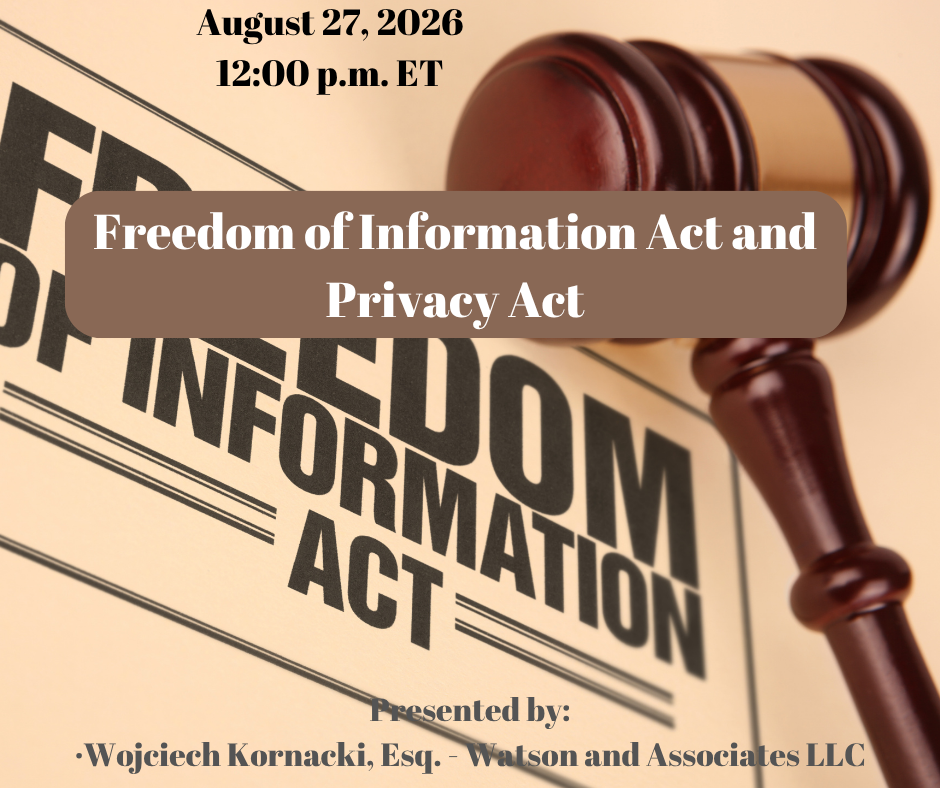
During this course, we will go over your rights under the Freedom of Information Act (FOIA) and Priv...
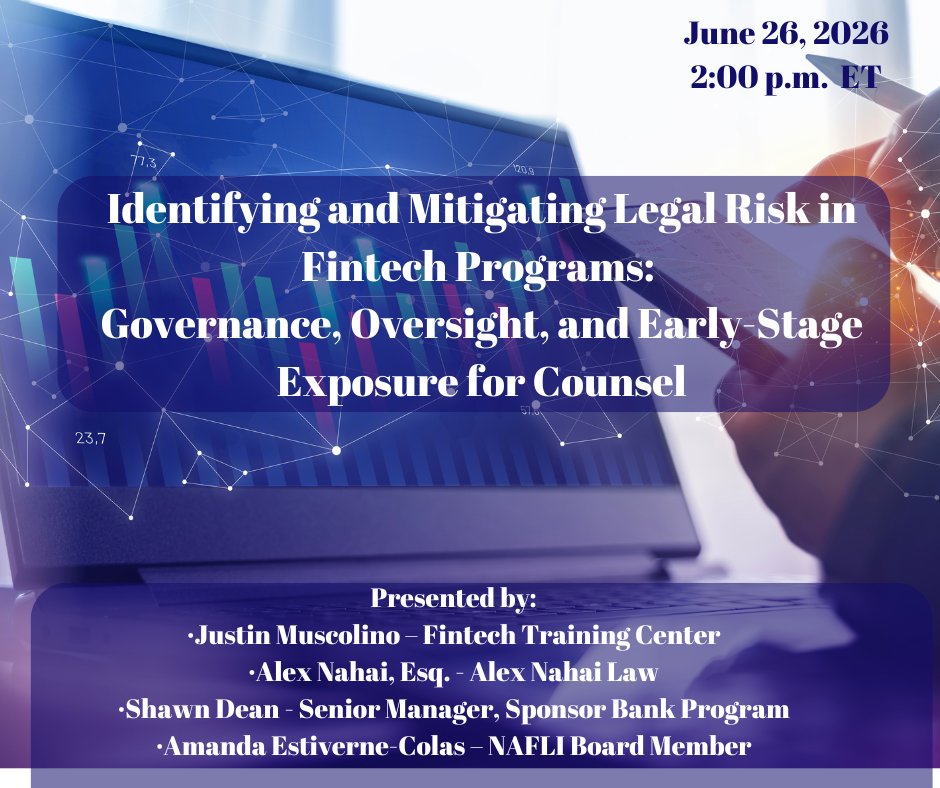
This program provides attorneys with a practical examination of how legal, regulatory, and liability...

During this course, you will learn about best practices and strategies for retaining intellectual pr...
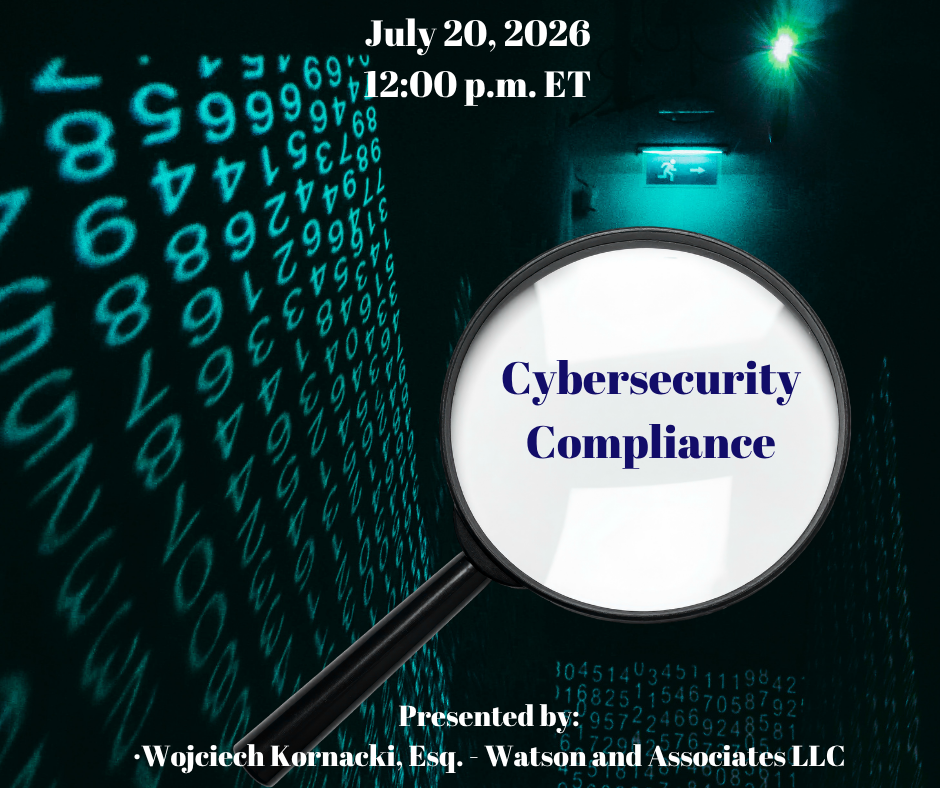
This course analyzes federal contractor cyber security obligations under the Federal Acquisition Reg...
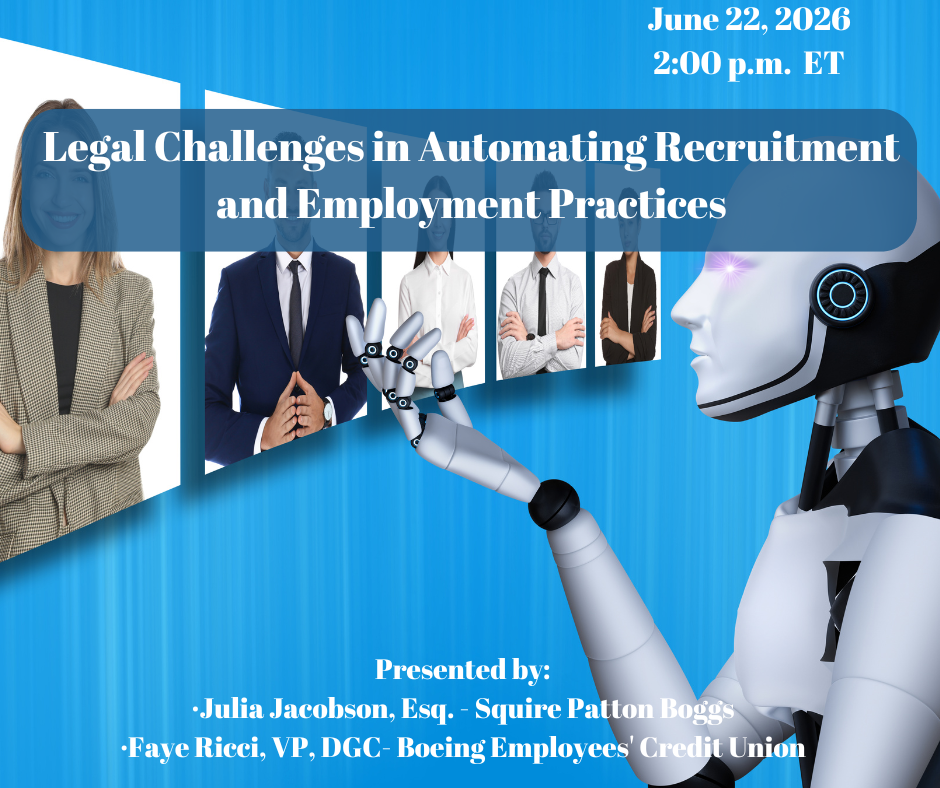
Use of artificial intelligence and other automated tools for performance and predictive analytics in...
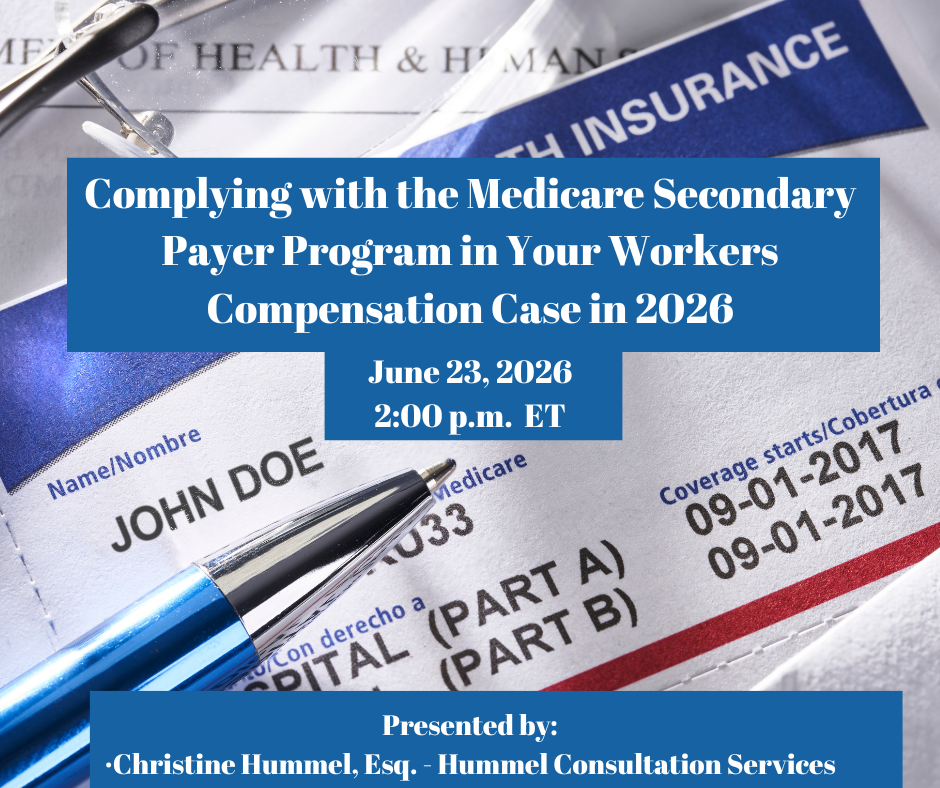
This course will provide a detailed overview of the Medicare Secondary Payer act as well as provide ...
What are the left and rights limits, penalties, and best practices for export controls under Interna...
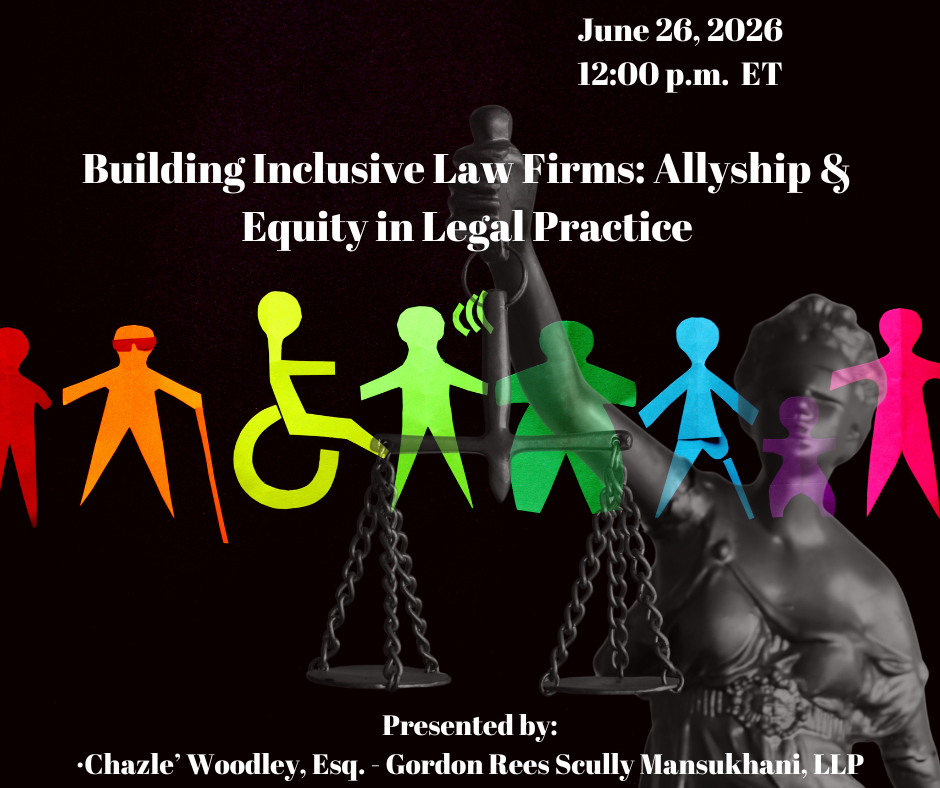
This interactive course is designed to equip legal professionals with the knowledge, tools, and stra...

Most legal professionals are operating in survival mode whether they realize it or not. Not crisis-l...

Join us for Part 2 of a program tailored for attorneys seeking a better understanding of the ongoing...