
Exciting new series on “Voice, Body and Movement for Lawyers – How to connect with the jury and find Justice Through Dramatic Technique!”
Click here to find out more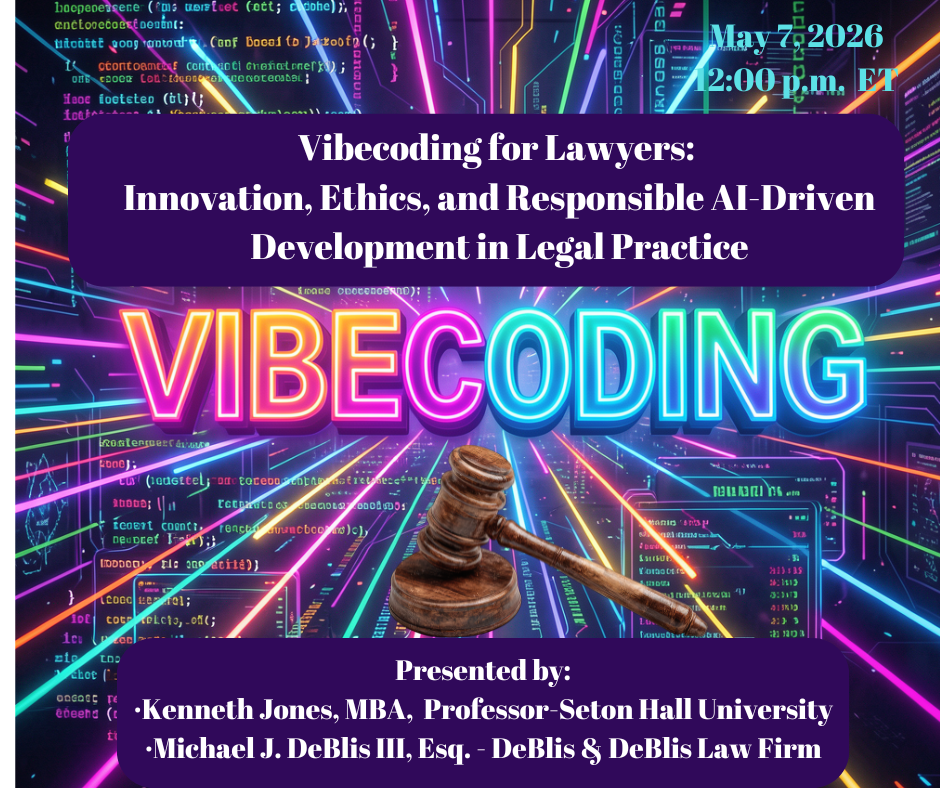
This program provides attorneys with a practical and ethical framework for understanding and responsibly leveraging “vibecoding” — the use of generative AI tools to rapidly build applications, workflows, and internal legal solutions without traditional software development. Designed specifically for legal practitioners, the session examines how AI-enabled citizen development can improve efficiency, client service, and innovation while maintaining compliance with professional obligations.
Attorneys will learn:
The program specifically addresses ABA Model Rules of Professional Conduct 1.1 (Competence, including technological competence), 1.6 (Confidentiality of Information), 5.1 and 5.3 (Responsibilities of Partners, Managers, and Supervisory Lawyers and Nonlawyer Assistance), and 1.4 (Communication with Clients where AI tools materially affect representation), and discusses practical steps attorneys can take to remain compliant while innovating responsibly.
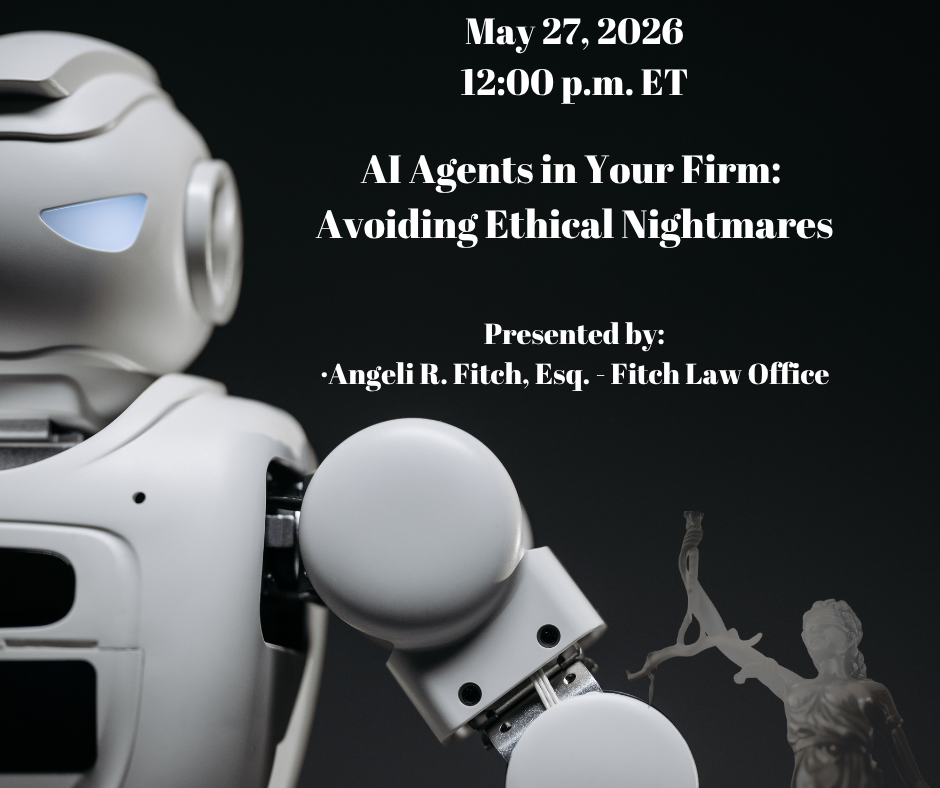
AI agents and generative AI tools are rapidly entering law firm workflows, including legal research,...
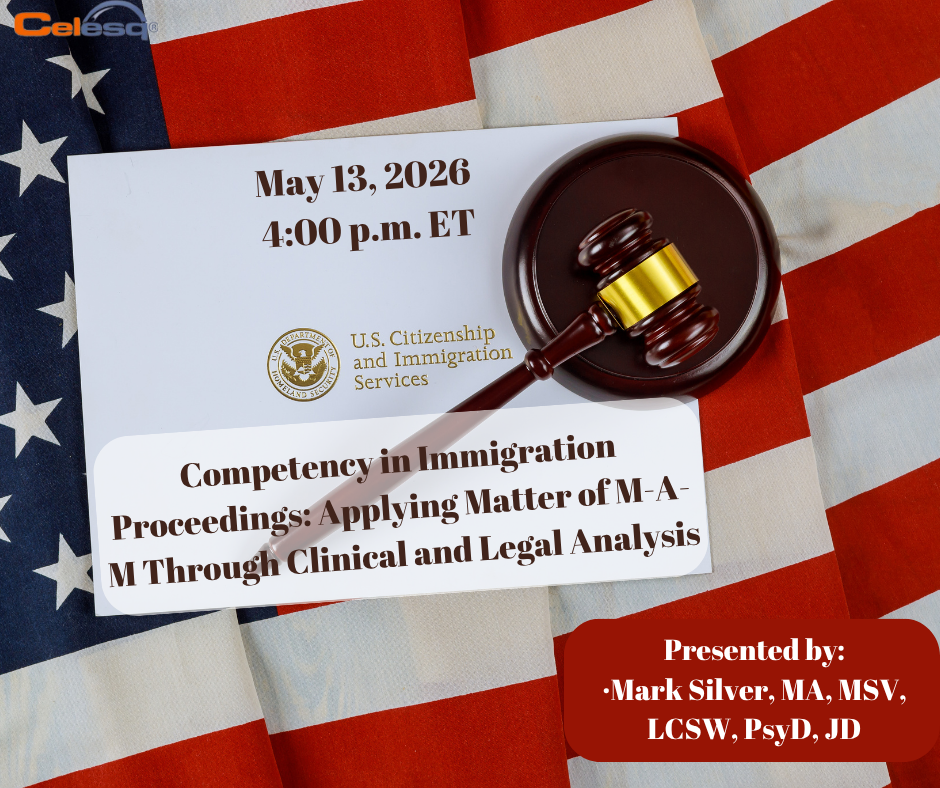
This program provides immigration attorneys with an in-depth understanding of competency issues in r...
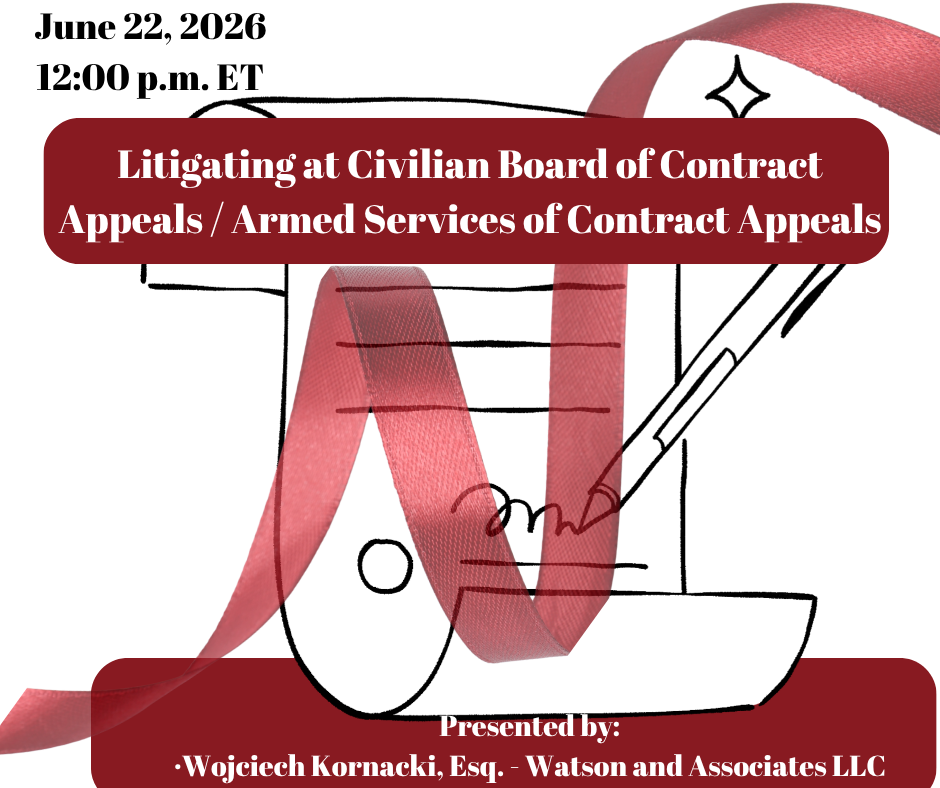
My contract was terminated and the contracting officer did not pay my invoices – what can I do...
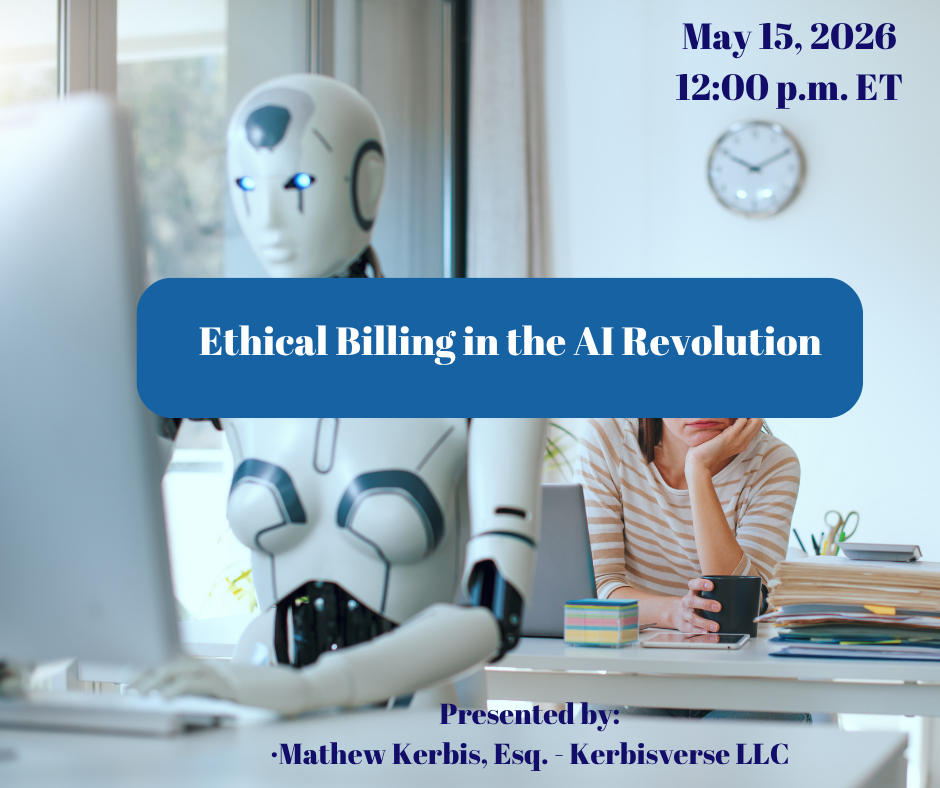
Protect your practice from the ethical vulnerabilities of AI by mastering Model Rules 1.1 and 1.5. T...

Electronic information is a common feature of criminal investigations and prosecutions, both federal...
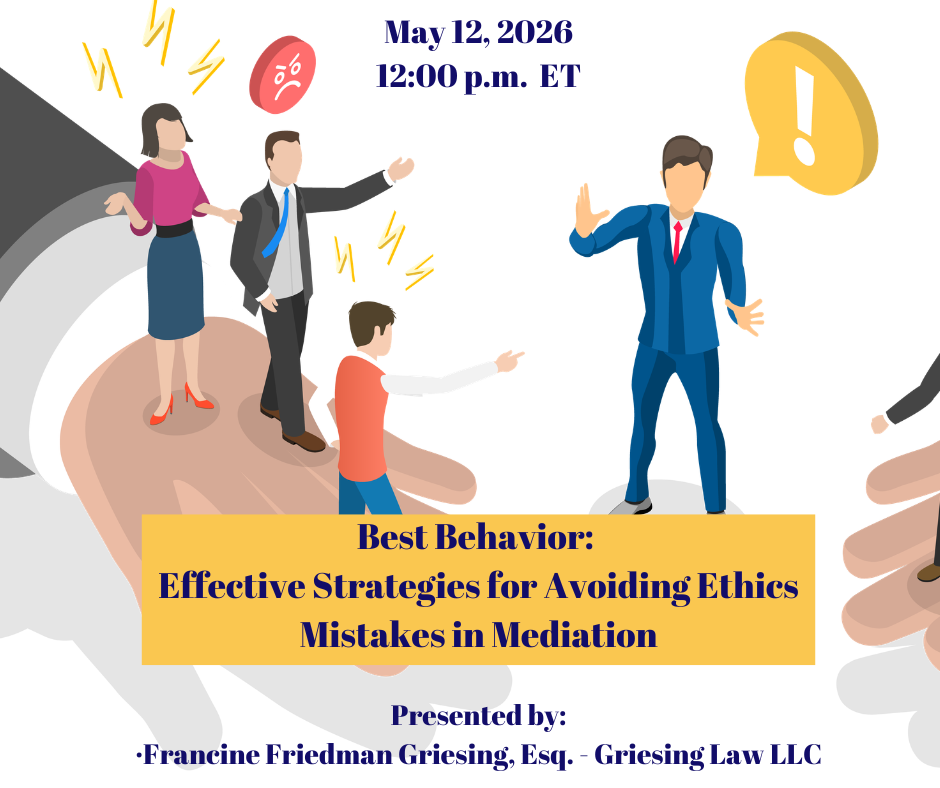
This program will address the ethical obligations of Lawyer Advocates representing clients in mediat...

Between 1986 and now, the U.S. Government collected approximately $85 billion from Federal Contracto...
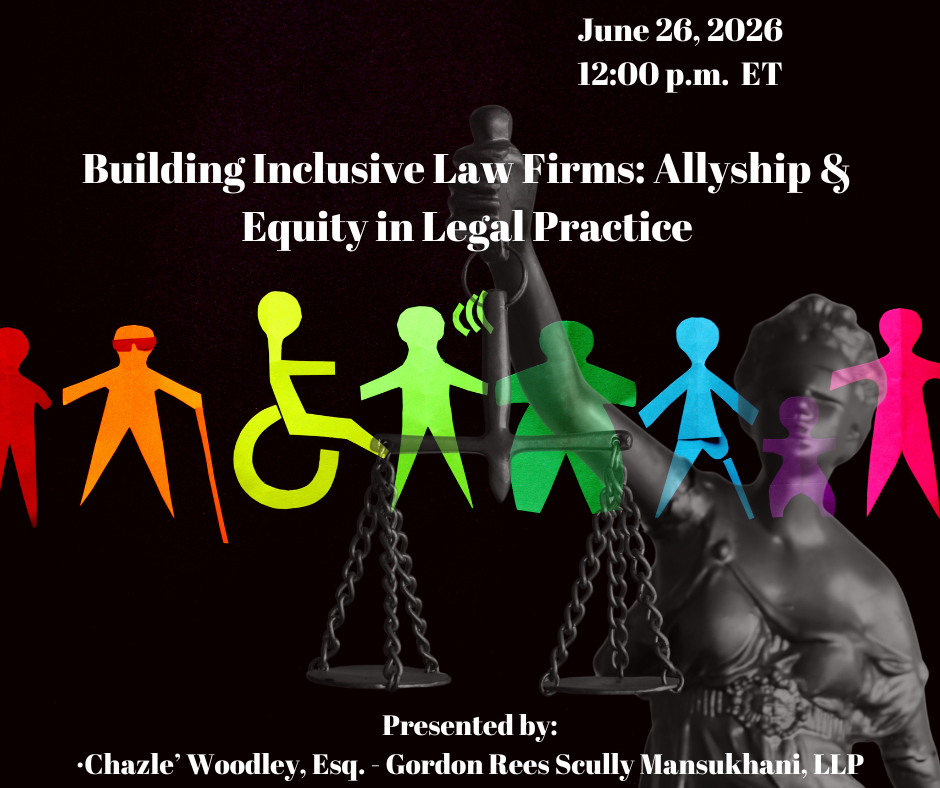
This interactive course is designed to equip legal professionals with the knowledge, tools, and stra...
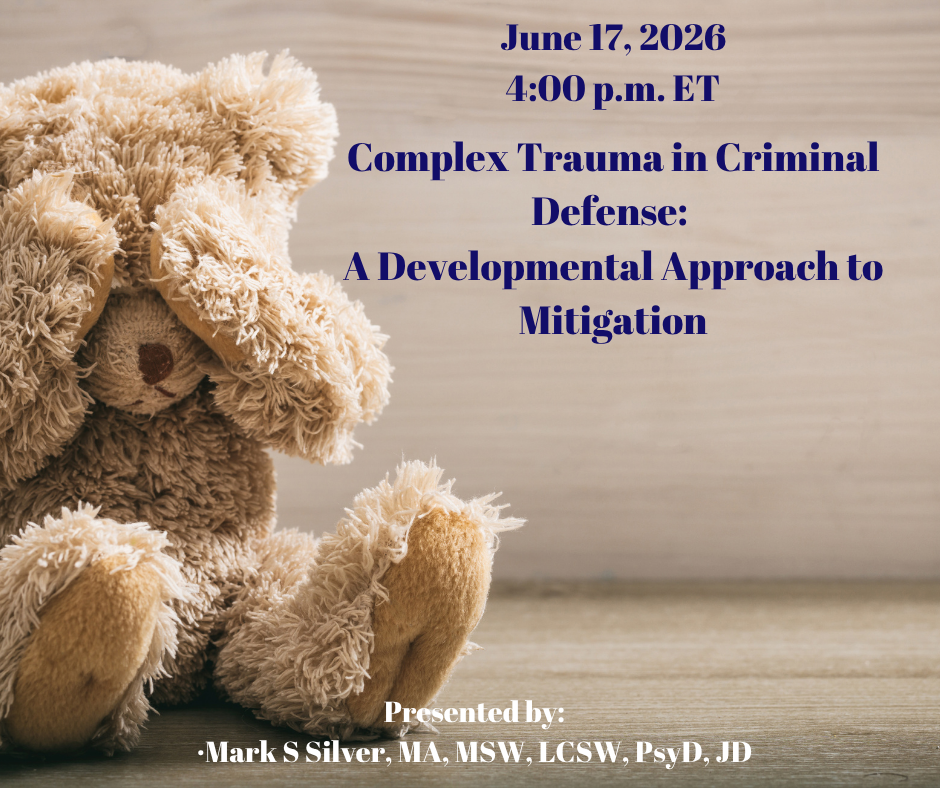
This program explores the impact of complex trauma on criminal defendants through a developmental an...
For most new attorneys, learning how to frame an oral argument can be a daunting task. L...