
Exciting new series on “Voice, Body and Movement for Lawyers – How to connect with the jury and find Justice Through Dramatic Technique!”
Click here to find out more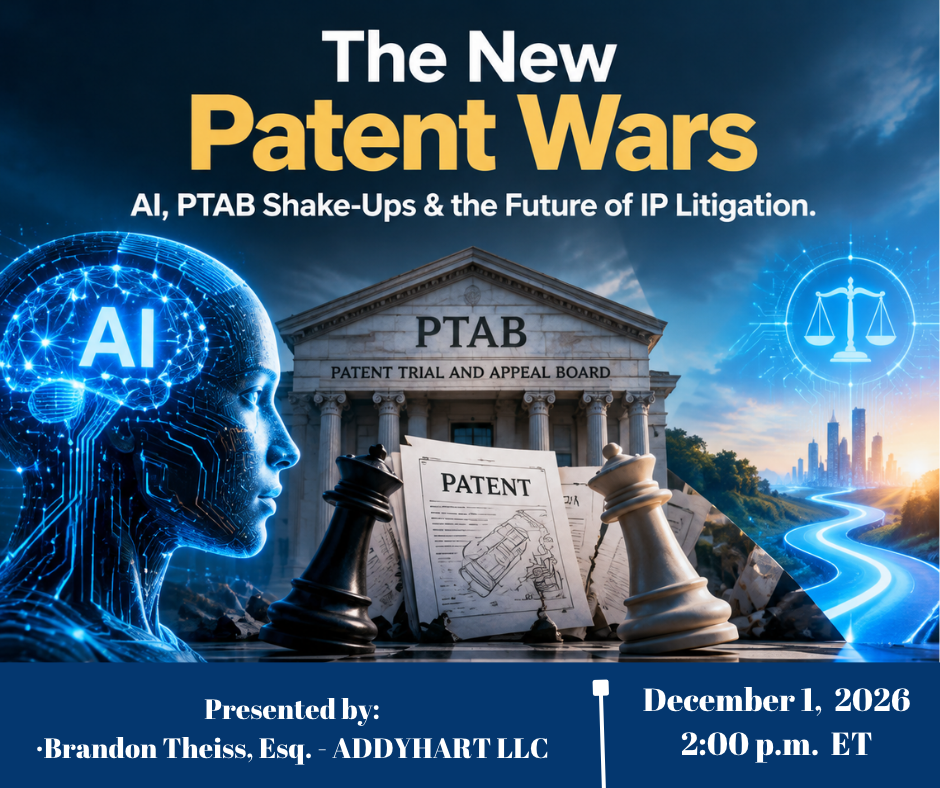
Artificial intelligence is reshaping the strategy and economics of patent litigation, from locating prior art to preparing expert testimony and setting litigation budgets.
This program examines how AI-assisted searches can make previously overlooked patents and printed publications easier to locate and evaluate for potential ex parte reexamination requests; how testifying experts’ use of generative AI raises questions about verification, disclosure, discovery, and the reliability of their opinions; and how anticipated AI efficiencies are creating downward pressure on litigation pricing and client budgets. Attendees will learn to assess whether AI-identified prior art supports a reexamination strategy, evaluate and challenge generative AI use in expert reports and testimony, and identify opportunities to adjust staffing, fees, and budgets while preserving the quality of legal work and expert analysis.

I was wrongfully separated from the military and I will get no military pay and disability retiremen...
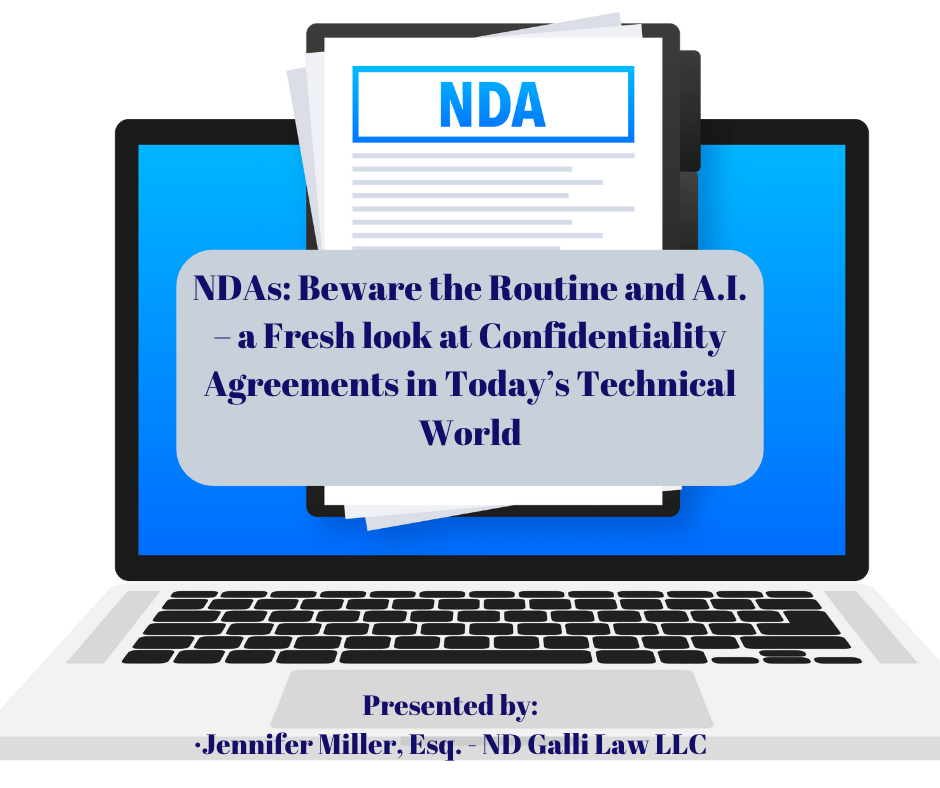
Confidentiality Agreements (also called NDAs) are too often treated as routine. So routine, th...

2026 was a very important year when it comes to federal procurement developments, Artificial Intelli...
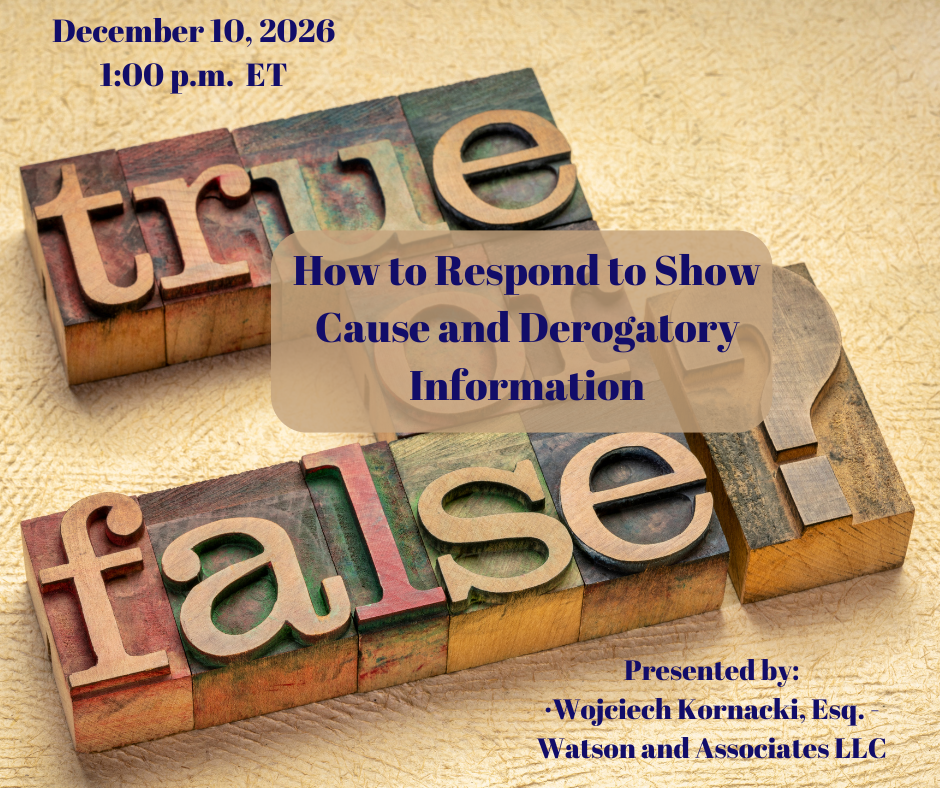
Adverse and derogatory information often has devastating effects on a contractor's ability to win co...

Class action litigation continues to expand in both number of filings and monetary exposure, with se...

During this course you will take a deep dive into federal bid protest litigation at the U.S. Court o...

This program provides trial attorneys with a thorough grounding in the three principal currency repo...

Class action litigation presents significant legal and business challenges for employers and corpora...
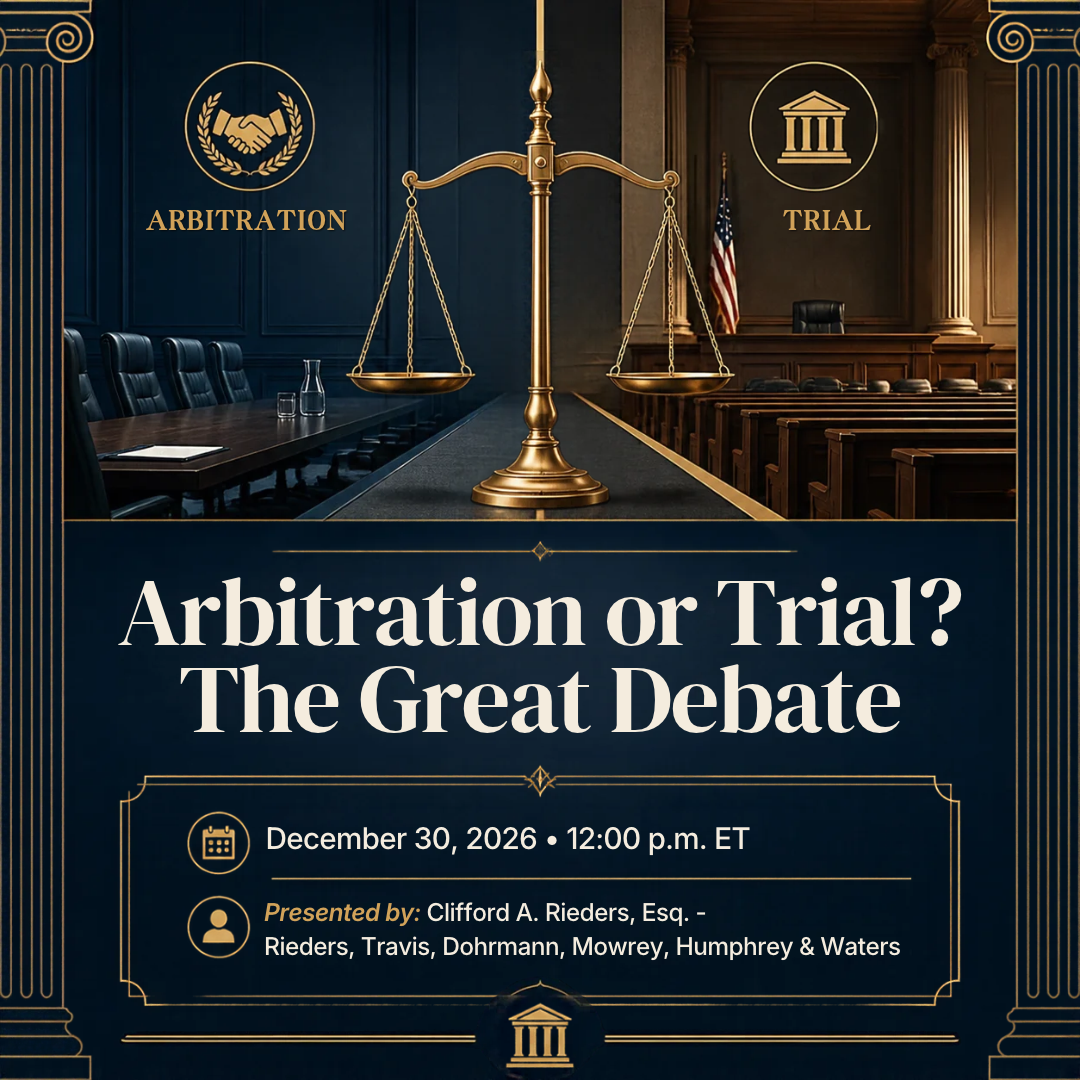
This program examines the scope, jurisdiction, and exceptions to the Federal Arbitration Act (FAA), ...
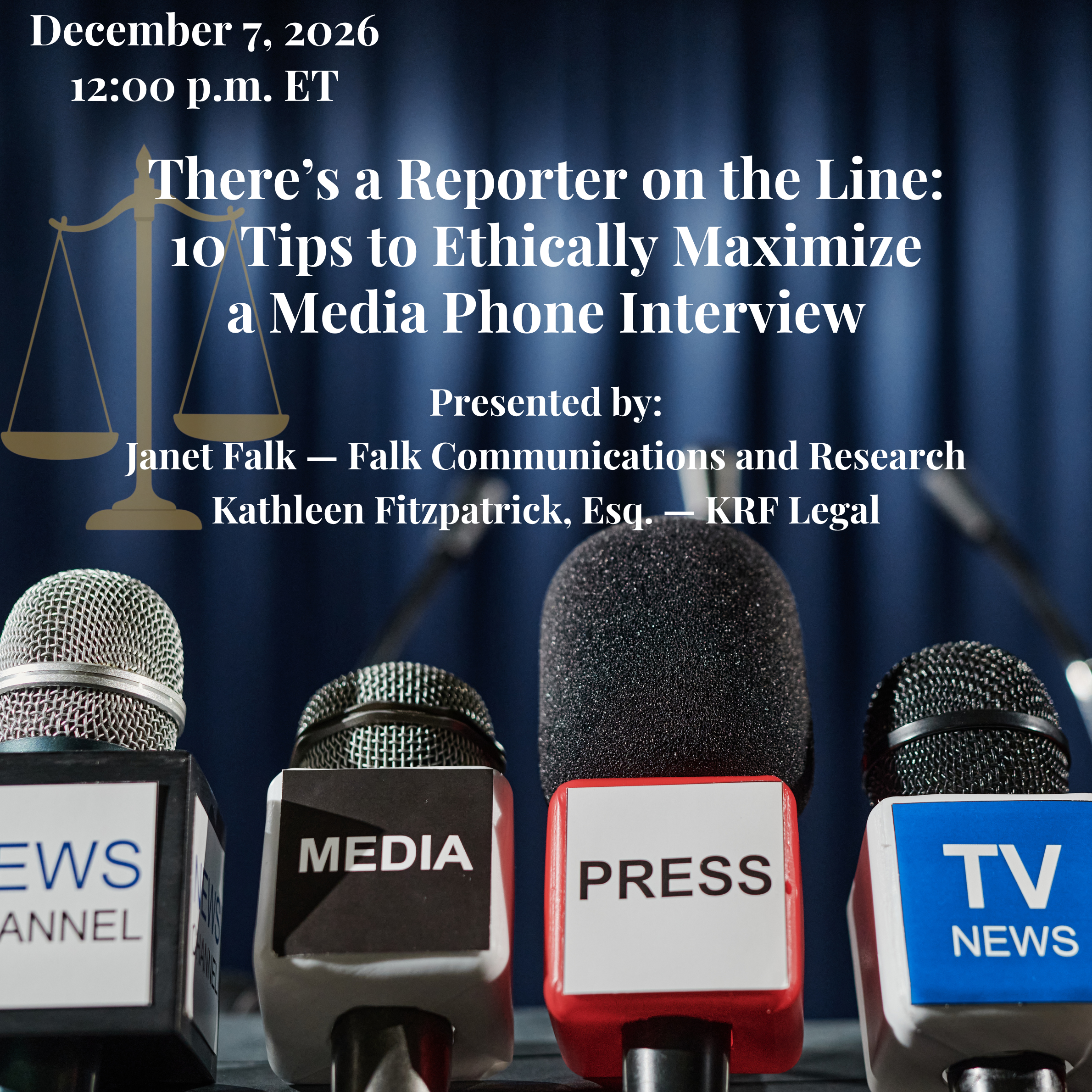
You’ve arranged to speak with a reporter. Do you know how to deliver insights that are memorab...