
Exciting new series on “Voice, Body and Movement for Lawyers – How to connect with the jury and find Justice Through Dramatic Technique!”
Click here to find out more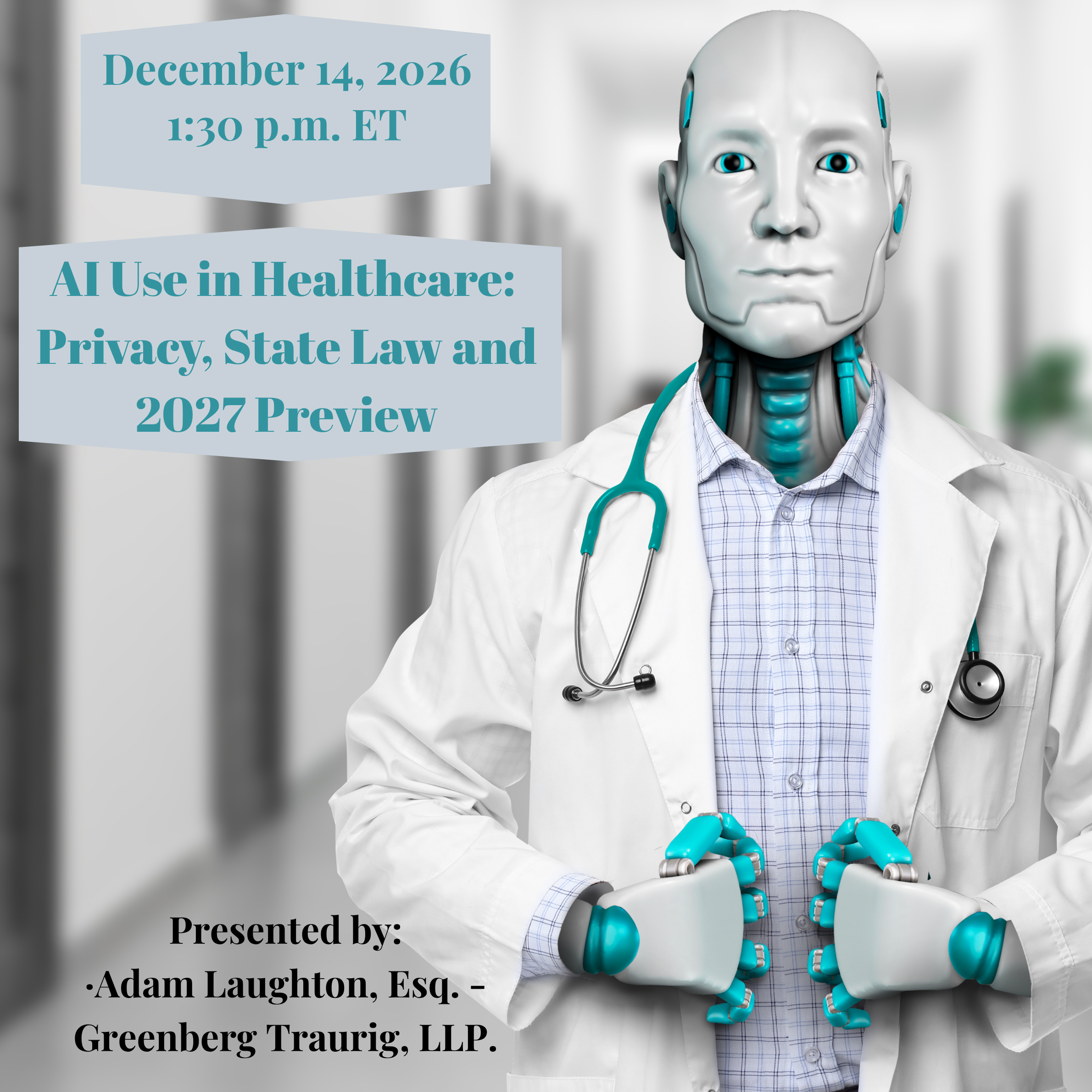
This program will provide a comprehensive legal analysis of the evolving regulatory landscape governing the use of artificial intelligence (AI) in healthcare, with particular emphasis on federal and state laws affecting healthcare providers, organizations, and technology developers. Through an examination of practical applications, legal frameworks, and emerging compliance challenges, participants will explore the requirements of the Health Insurance Portability and Accountability Act (HIPAA), including the Privacy Rule, Security Rule, and obligations relating to the collection, use, disclosure, and protection of protected health information (PHI) in AI-enabled healthcare systems. The program will also examine the growing patchwork of state laws regulating or restricting AI use in healthcare, including requirements relating to patient privacy, transparency, automated decision-making, and professional oversight. Particular attention will be given to identifying potential legal risks, evaluating regulatory obligations, and developing strategies to maintain compliance when implementing or advising clients on AI technologies in healthcare settings.
Additionally, the program will analyze the identifiable legislative and regulatory implications arising from the 2026 midterm elections, focusing on how changes in legislative priorities, proposed legislation, regulatory initiatives, and enforcement policies may affect healthcare AI compliance obligations. The discussion will also address anticipated legal and regulatory developments in 2027, distinguishing existing legal requirements from pending proposals and potential regulatory changes. Through practical examples and legal analysis, attorneys will gain a clearer understanding of how federal and state regulatory frameworks intersect and how to advise healthcare clients on managing legal exposure, addressing compliance challenges, and preparing for evolving regulatory requirements.
Learning Objectives
Upon completion of this program, participants will be able to:
· Identify and analyze applicable HIPAA Privacy Rule and Security Rule requirements governing the use of AI technologies in healthcare.
· Examine state laws regulating AI applications in healthcare and evaluate their implications for privacy, transparency, automated decision-making, and legal compliance.
· Recognize potential legal liabilities and regulatory risks associated with implementing AI-enabled healthcare technologies.
· Evaluate how federal and state legal requirements intersect and develop practical strategies for advising healthcare clients on compliance.
· Assess identifiable legislative and regulatory developments following the 2026 midterm elections and their potential implications for healthcare AI regulation.
· Distinguish current legal obligations from proposed legislative and regulatory changes anticipated in 2027 and identify appropriate compliance planning considerations.
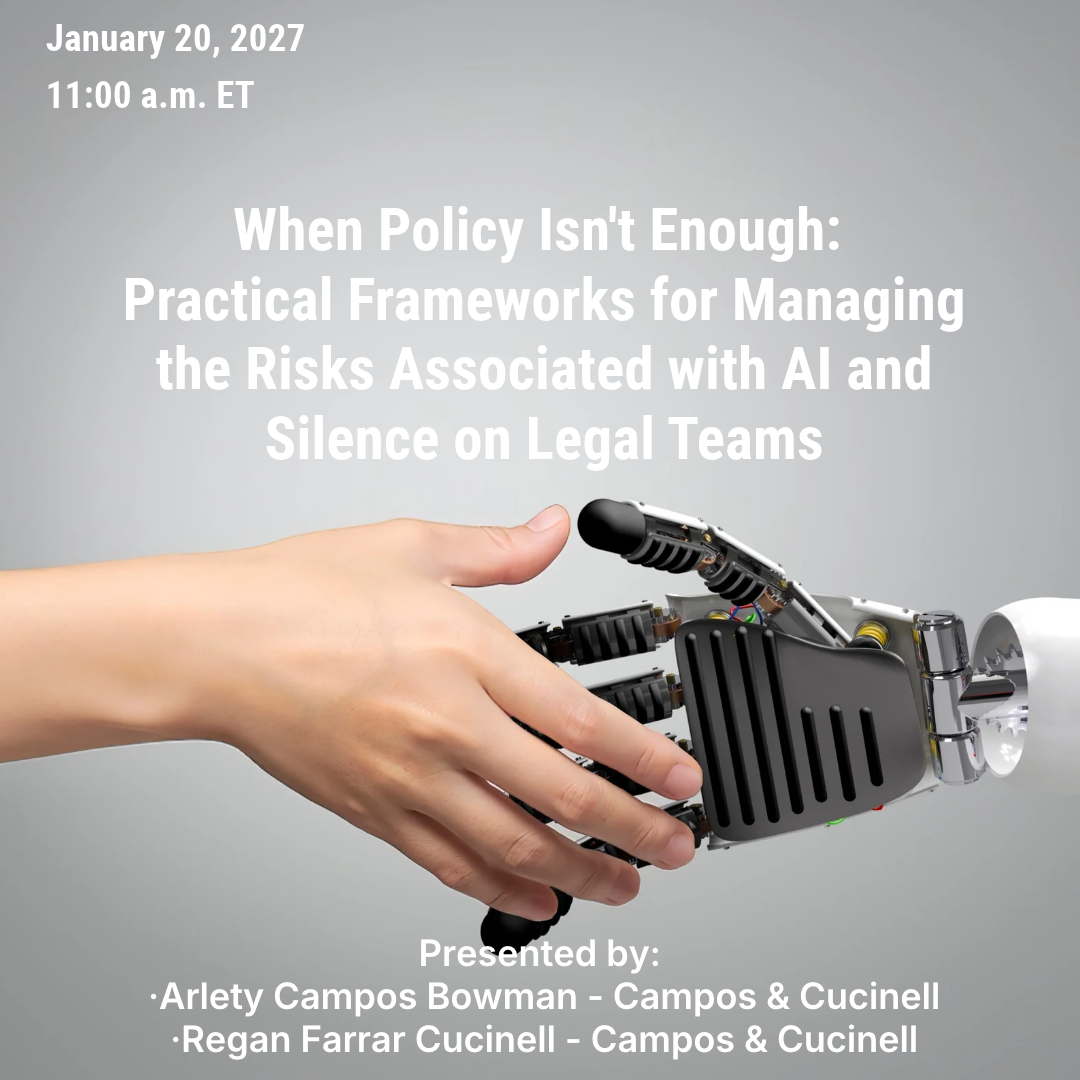
AI tools and workplace silence create the same problem for legal teams: the safeguards in place, inc...

The practice of law places legal professionals under extraordinary and often chronic stress, making ...
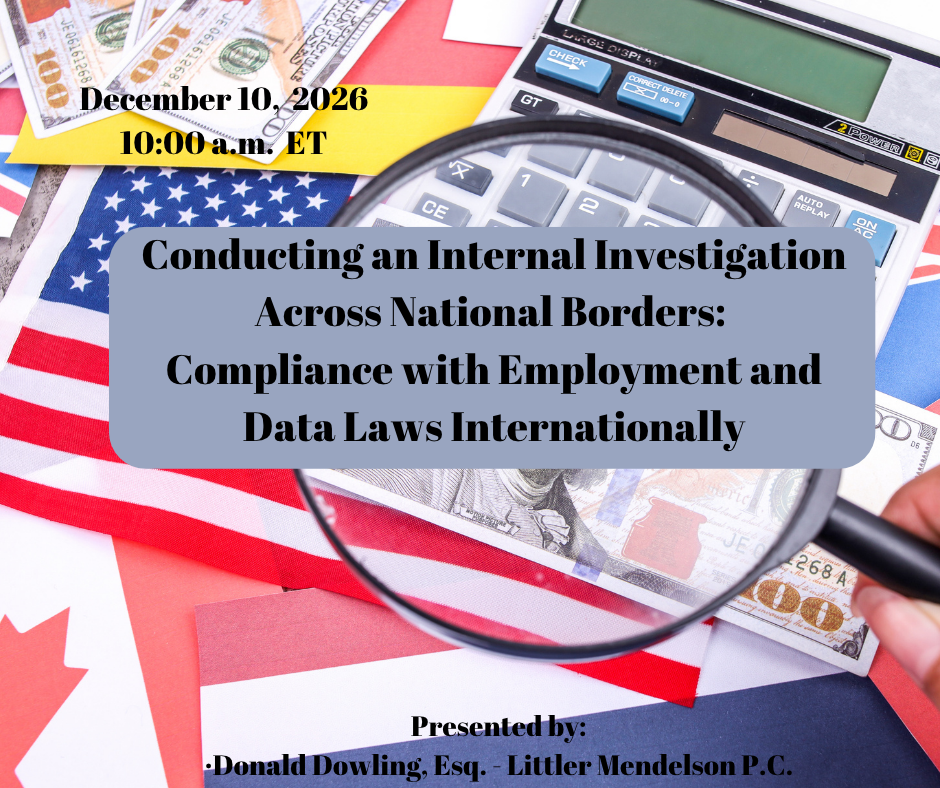
Conducting an internal investigation that is incisive, effective and legally compliant is tough enou...
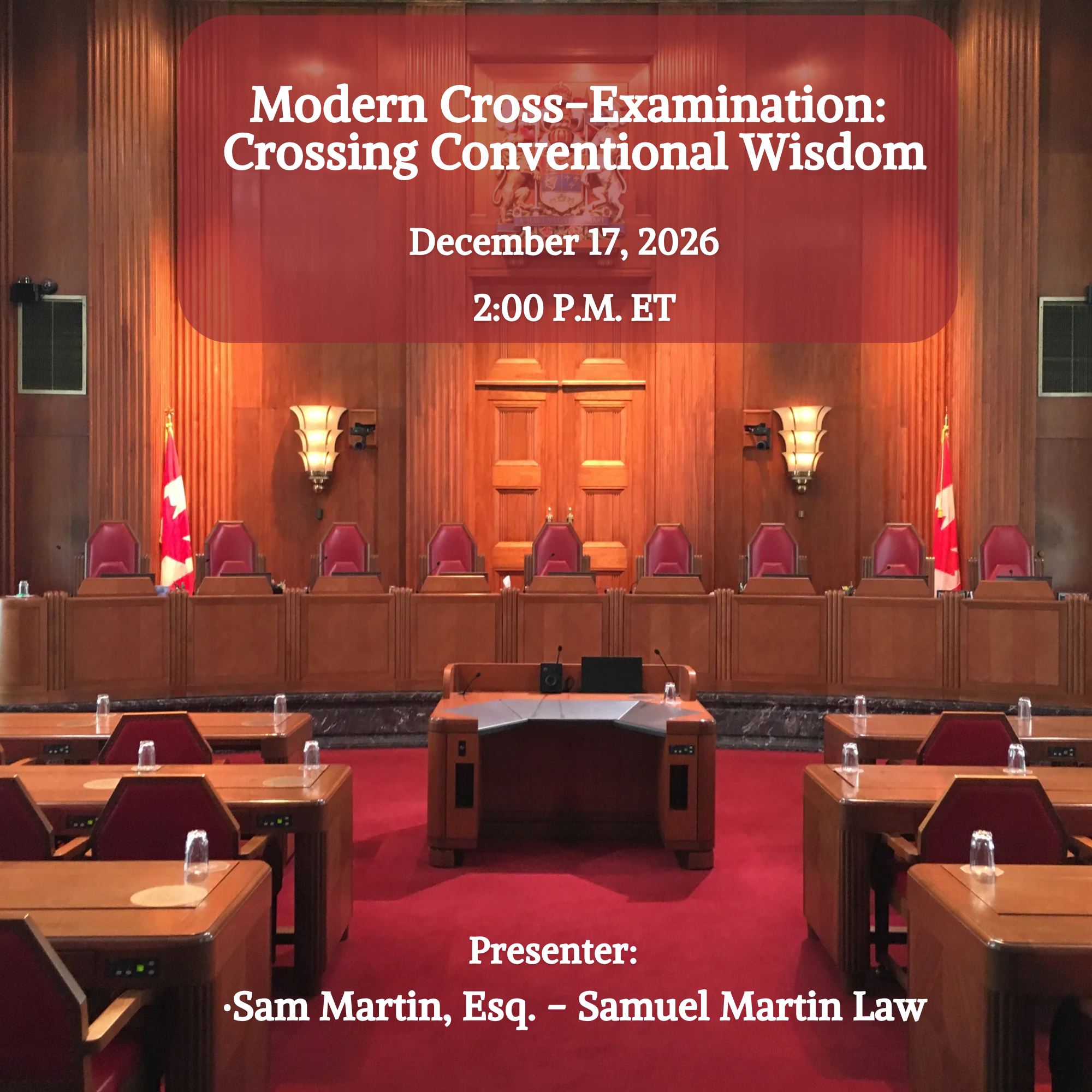
Attendees will learn how to effectively cross-examine witnesses at trial. The conventional wis...
Most lawyers are aware of the high-profile cases in which attorneys were sanctioned or otherwise dis...

Adverse and derogatory information often has devastating effects on a contractor's ability to win co...
2026 was a very important year when it comes to federal procurement developments, Artificial Intelli...
Confidentiality Agreements (also called NDAs) are too often treated as routine. So routine, th...
This program provides trial attorneys with a thorough grounding in the three principal currency repo...
As the legal landscape evolves, understanding both the recurring and emerging risks and challenges t...