
Exciting new series on “Voice, Body and Movement for Lawyers – How to connect with the jury and find Justice Through Dramatic Technique!”
Click here to find out more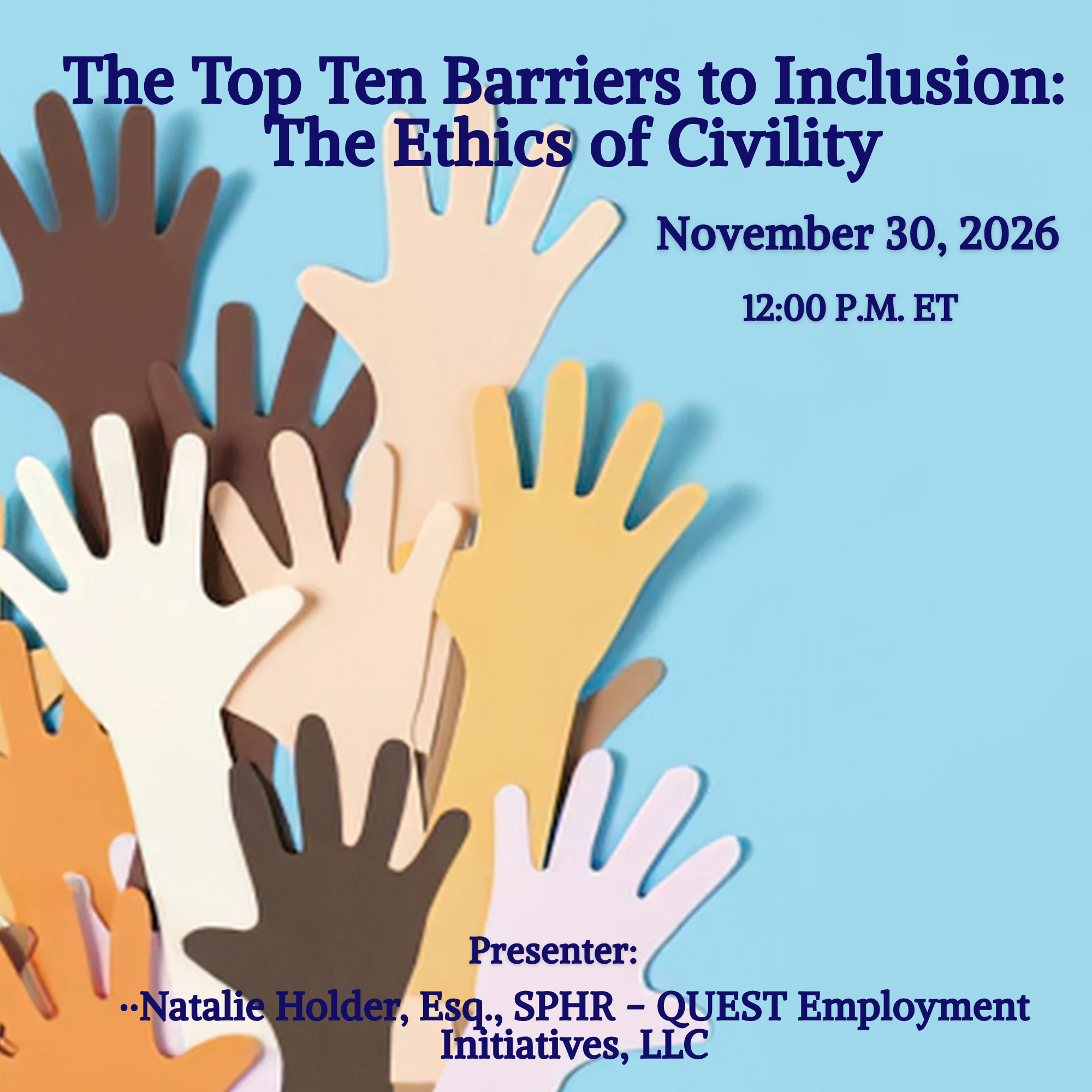
The hardest part of managing a diverse workforce is inclusion: the everyday decisions about who gets the work, whose judgment is credited, and who is still there in year five. Those decisions sit inside a supervisor's discretion, and the New York Rules of Professional Conduct reach them: competence under Rule 1.1, supervision under Rules 5.1 and 5.3, and harassment and discrimination under Rule 8.4(g), which governs conduct in connection with the practice of law.
Drawing on her book Exclusion, Natalie Holder identifies ten subtle, persistent patterns that erode belonging, accelerate turnover and create legal and reputational risk. Civility anchors the hour and runs through every barrier. Each barrier is paired with the authority that proves it and the change that removes it.
Lawyers leave with a diagnostic vocabulary for managing their own practice and advising employer clients, a thirty-day plan to remove one barrier for the associates on their own team, and a defensible answer to the first question a client asks: what were we supposed to have done?
Learning Objectives:
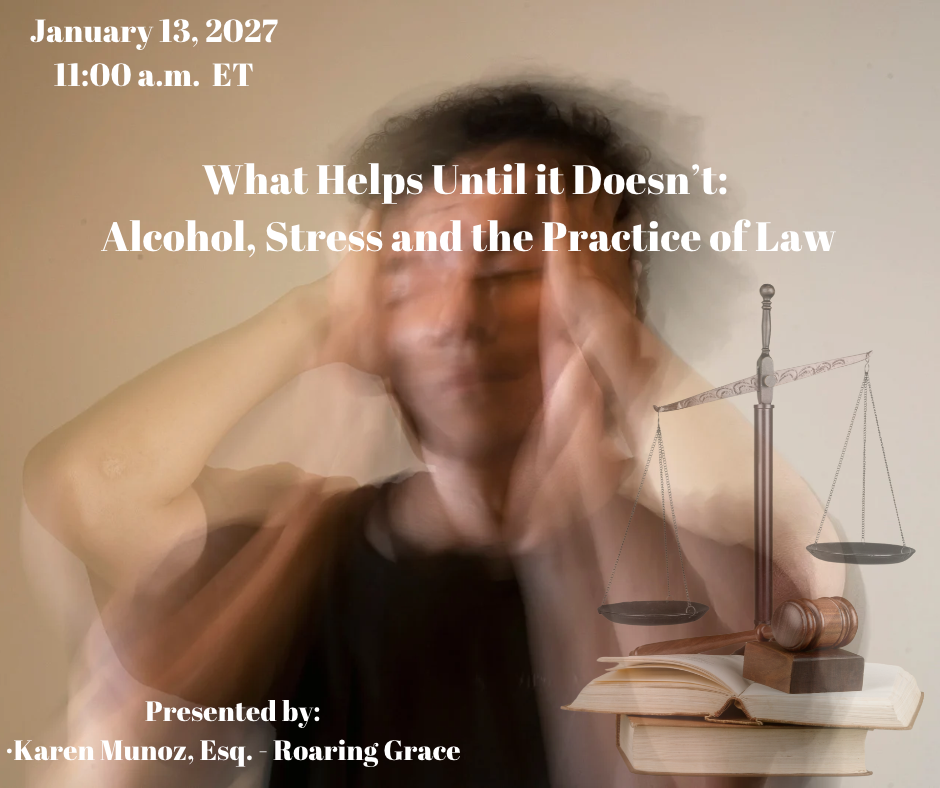
The practice of law places legal professionals under extraordinary and often chronic stress, making ...
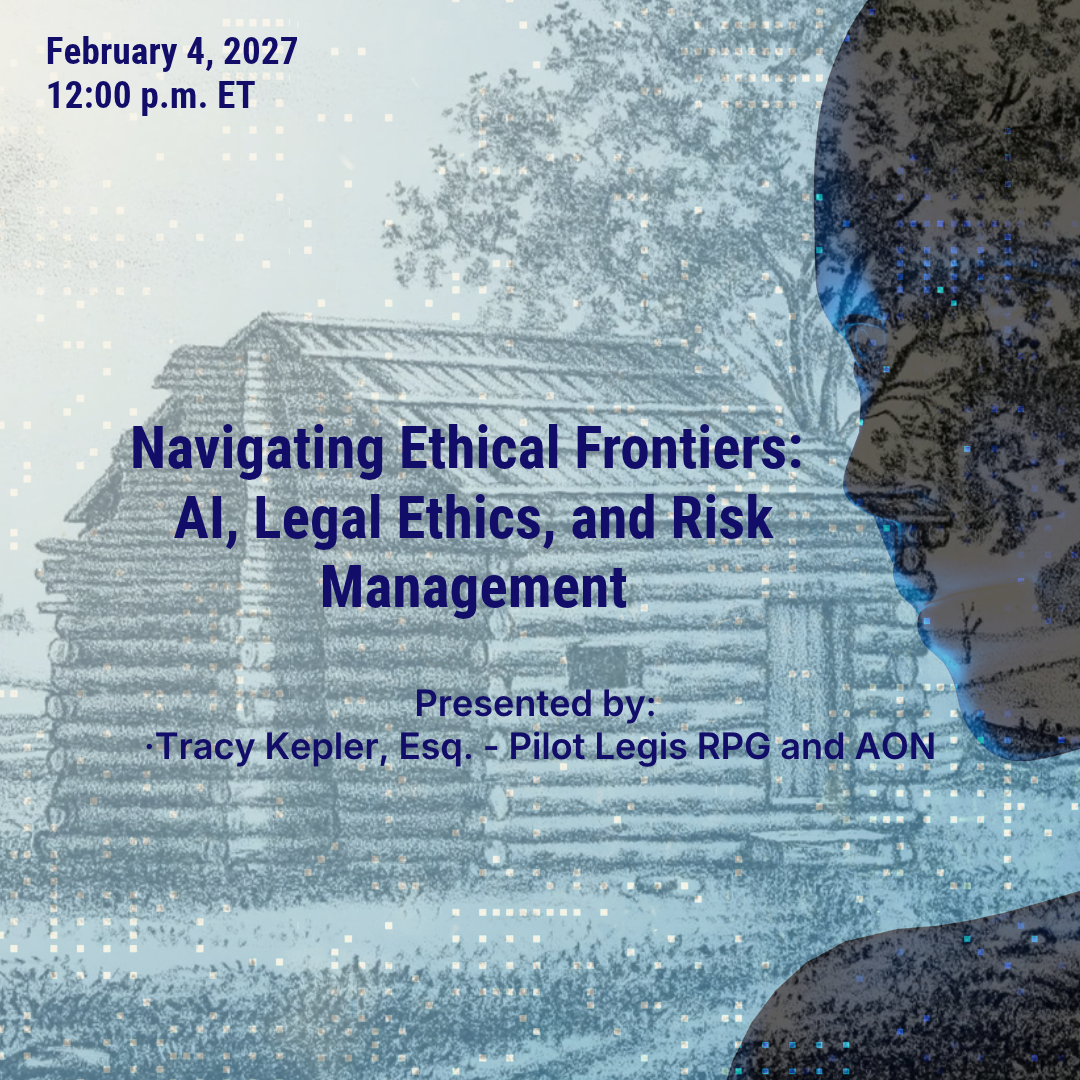
In an era where technology is revolutionizing the practice of law, it is crucial for practitioners t...

Every IP question a client brings starts with two decisions: which regime (patent, trademark, copyri...
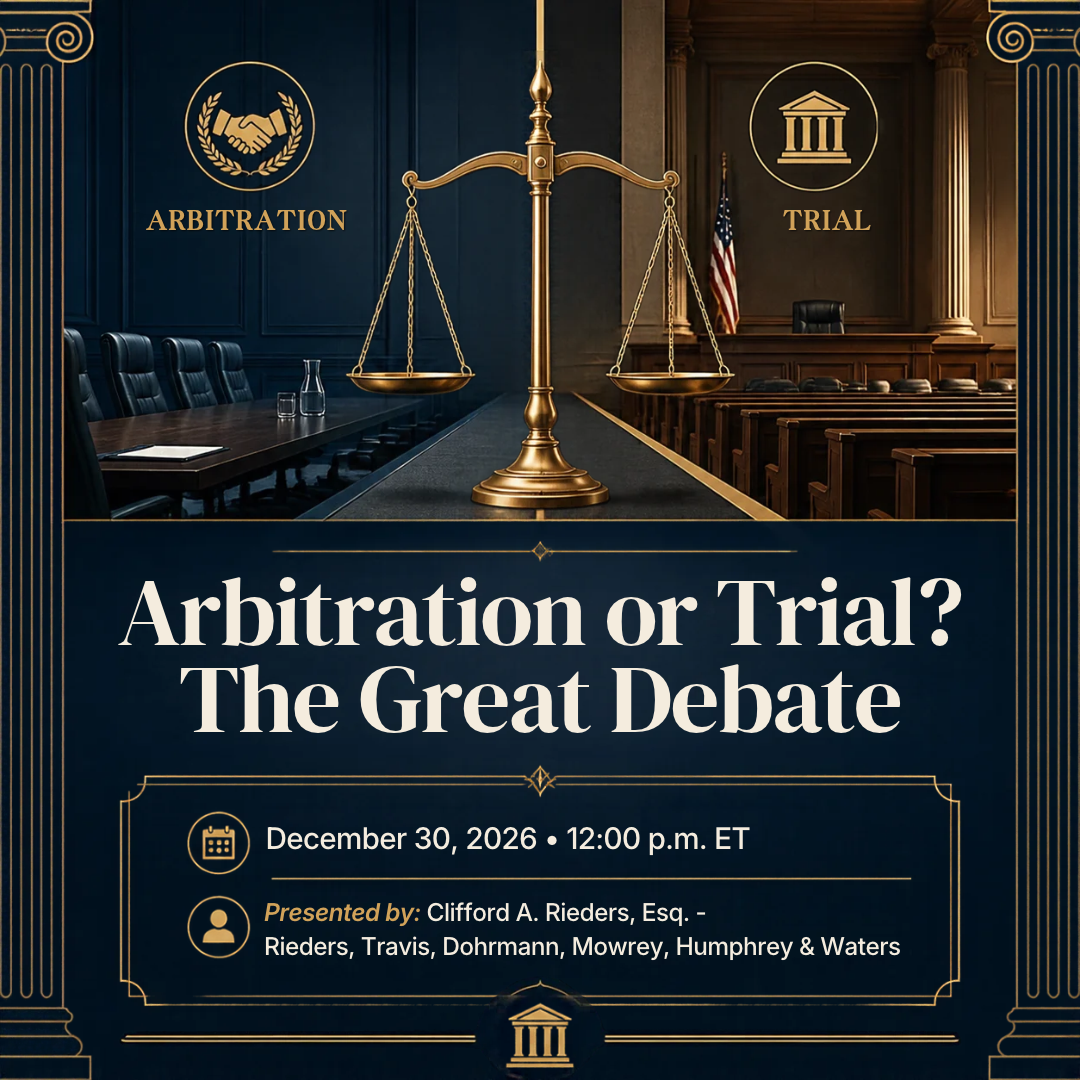
This program examines the scope, jurisdiction, and exceptions to the Federal Arbitration Act (FAA), ...
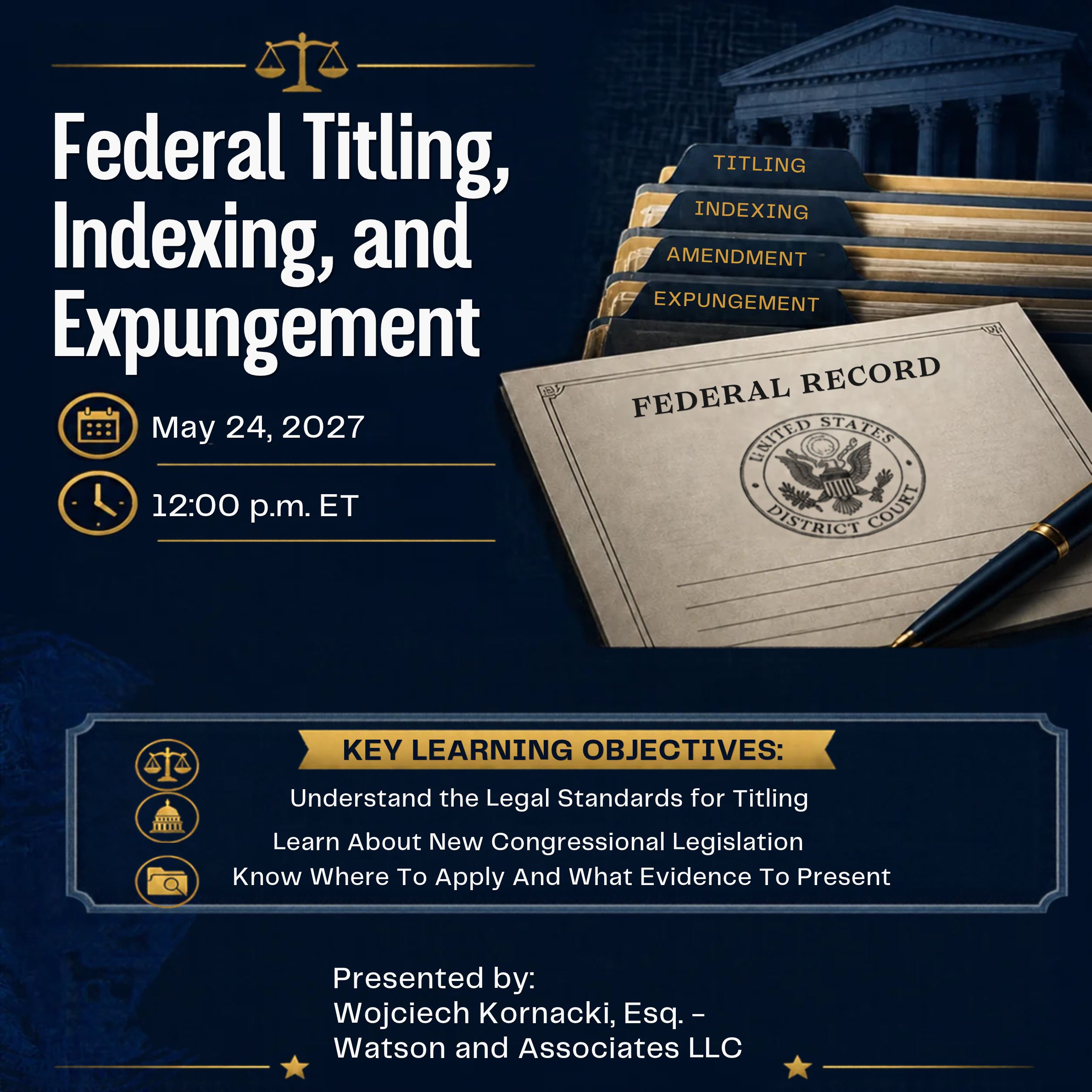
This course analyzes federal titling and indexing requirements and how to expunge or amend your reco...

This program will provide a comprehensive legal analysis of the evolving regulatory landscape govern...
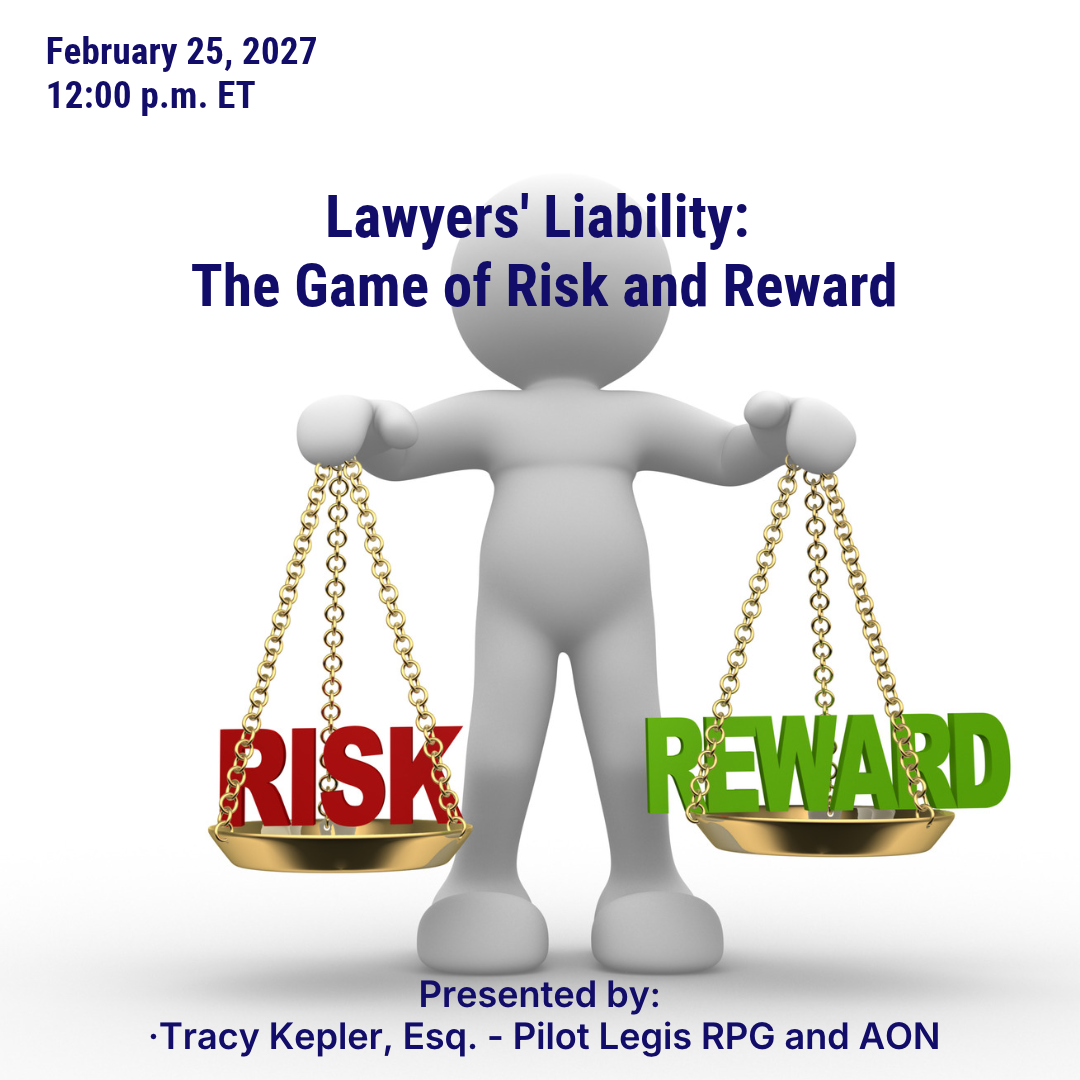
As the legal landscape evolves, understanding both the recurring and emerging risks and challenges t...

I was wrongfully separated from the military and I will get no military pay and disability retiremen...
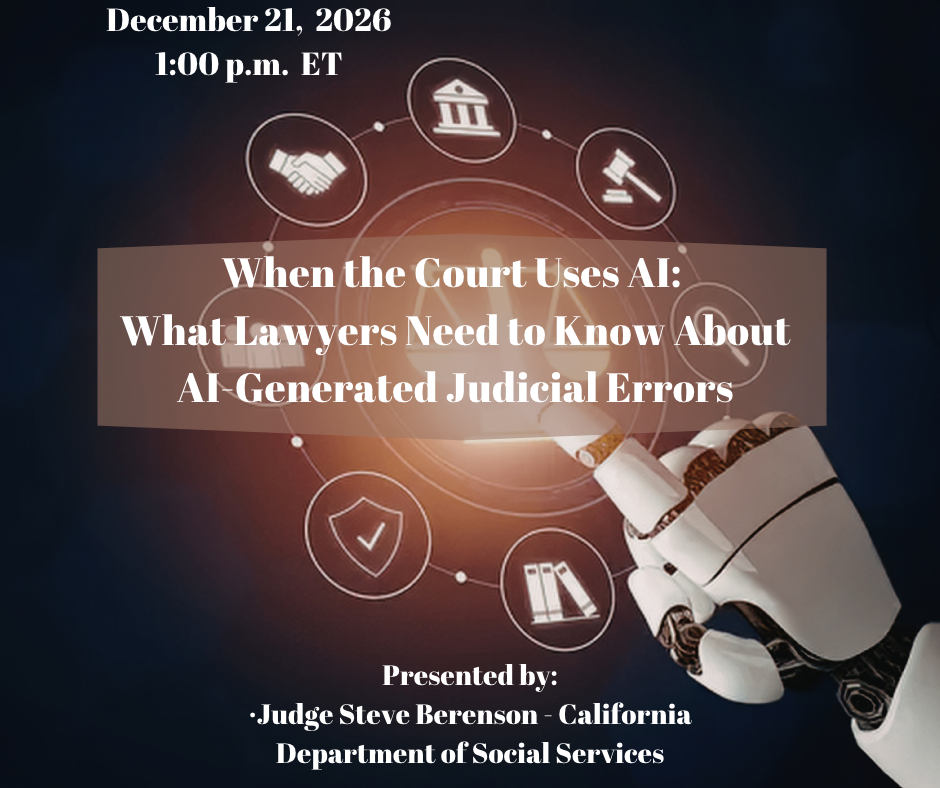
Most lawyers are aware of the high-profile cases in which attorneys were sanctioned or otherwise dis...
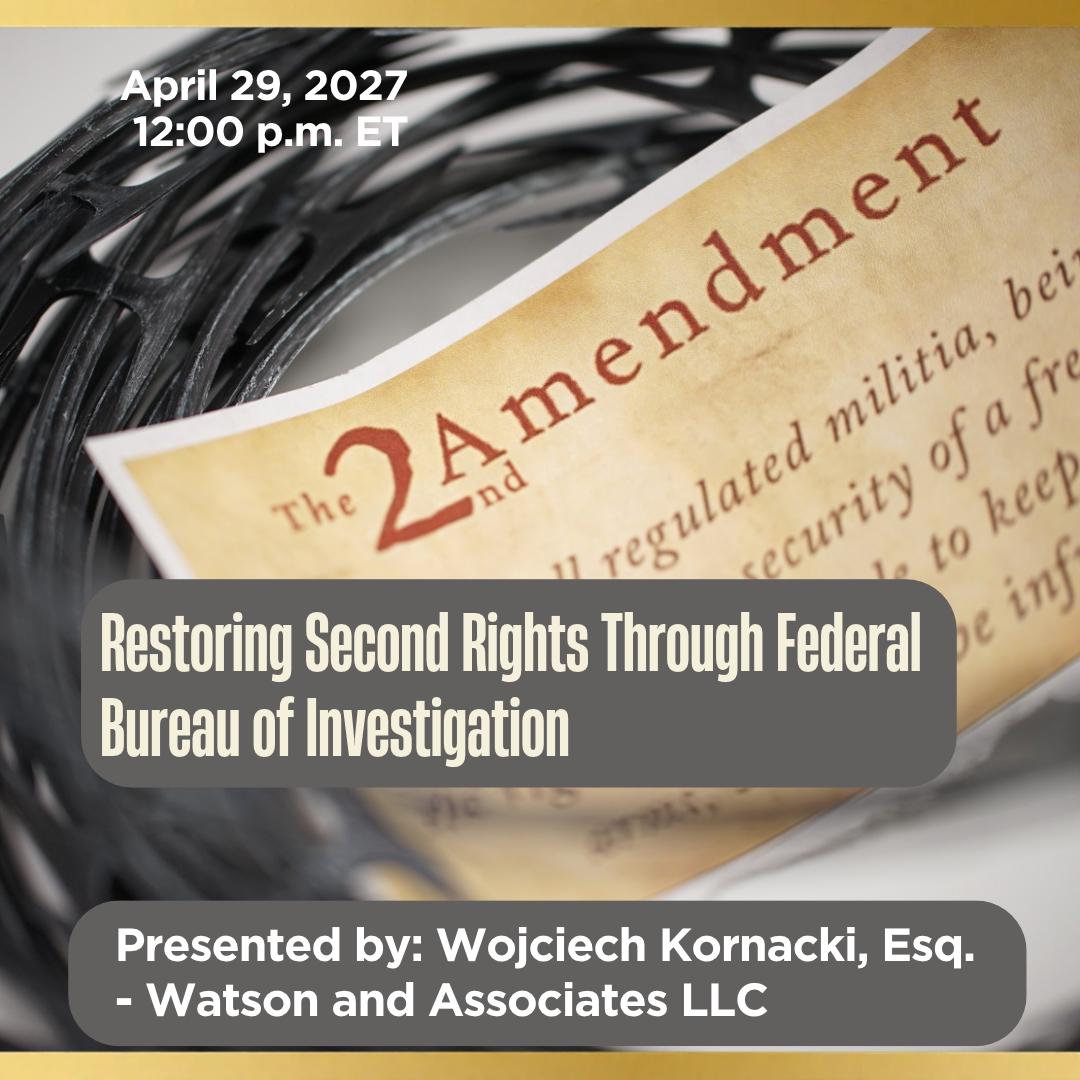
During this course you will learn about the Federal Firearm Rights Restoration program and the Feder...