
Exciting new series on “Voice, Body and Movement for Lawyers – How to connect with the jury and find Justice Through Dramatic Technique!”
Click here to find out more
The value of diversity has been researched extensively for its impact on various industries, including the healthcare industry. Like other industries, the value of diversity in healthcare includes improved problem-solving, employee recruitment and retention, and profitability. However, there are additional, critical implications in the healthcare industry including improved patient outcomes and population health, reduced healthcare disparities, expanded research protocols, and improved medical education. Over the last several years, diversity, equity, and inclusion have become increasingly prioritized concepts for healthcare researchers and providers alike. Generally, the healthcare industry has realized that in addition to talent and skills required for effective healthcare delivery, diversity, equity, and inclusion also needs to be part of each organization's strategic agenda in order to cater to the diverse needs of various populations. Part of this is an improved awareness of how bias influences behaviors and patient outcomes as well as an acknowledgment that greater diversity among healthcare workers will reduce barriers that patients face when seeking care, such as cultural fluency. But of course, none of this occurs in a vacuum and the healthcare industry operates in a complex milieu of healthcare laws and regulations that nudge certain practices that support a nondiscriminatory, patient-centered approach to care (e.g., Section 1557 of the Affordable Care Act) while other laws and regulations may make it difficult to have a proactive culture around diversity, equity, and inclusion to meet patients' diverse care needs because they have the potential to expose an organization to other kinds of claims of discrimination (e.g., the Church Amendments). This course will address the challenges that arise from an everchanging legal and regulatory landscape as well as explain what is required here and now to improve diversity, equity, and inclusion in the tripartite missions of patient care, education, and research, as well as pitch best practices on how to achieve diversity, equity, and inclusion in a healthcare organization.

This presentation explores courtroom staging—how movement, spatial awareness, posture, and pre...

The CLE program expands on the artistic techniques that make stories resonate, including tempo, sens...

Scam typologies help legal professionals by providing a framework to understand, identify, and preve...

Dave Place, Esq., Founder of The Place Firm, will present a CLE providing practical tips to empower ...

This course introduces attorneys to the core principles of GAAP and the legal significance of standa...
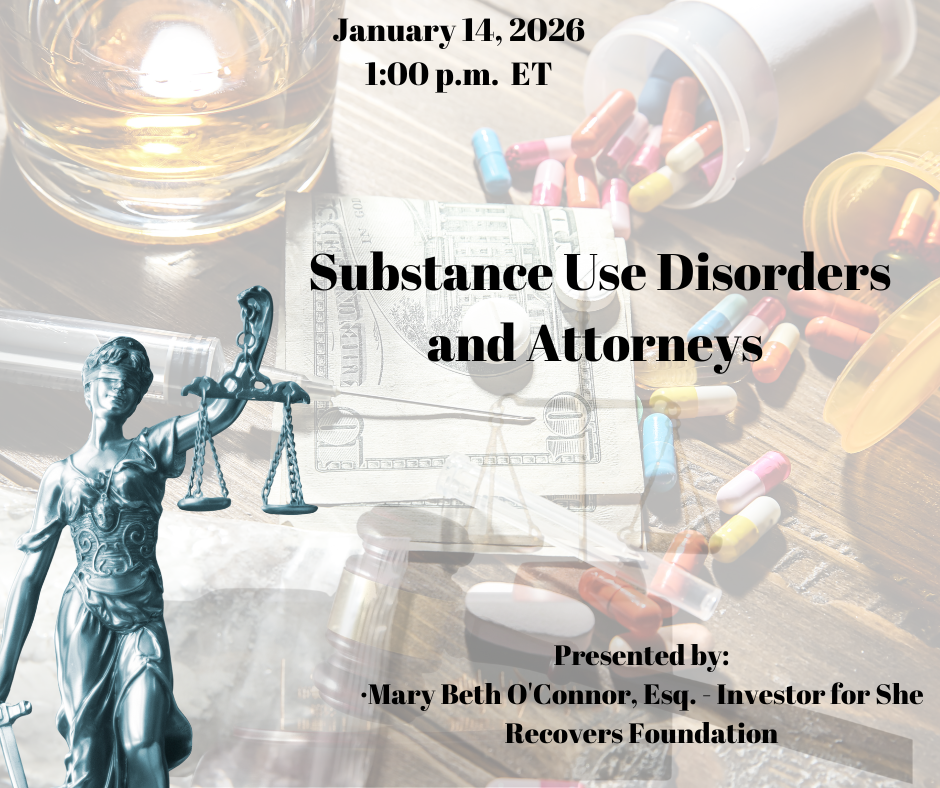
Mary Beth O'Connor will describe her personal history of 20 years of drug use and 30+ years of sobri...

This program examines the strategy and artistry of closing argument, positioning it as a lawyer&rsqu...

Evidence Demystified Part 1 introduces core evidentiary principles, including relevance, admissibili...

This presentation teaches attorneys how to deliver memorized text—especially openings and clos...

This attorney-focused training provides deeper insight into GAAP’s framework and its legal app...