
Exciting new series on “Voice, Body and Movement for Lawyers – How to connect with the jury and find Justice Through Dramatic Technique!”
Click here to find out more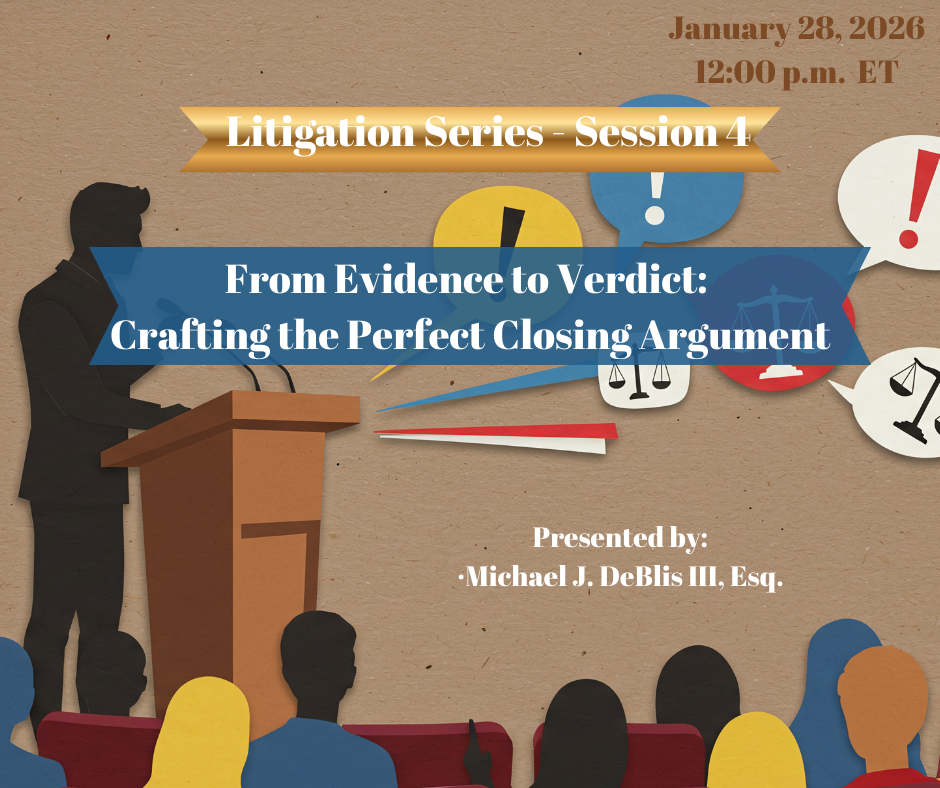
This program examines the strategy and artistry of closing argument, positioning it as a lawyer’s final opportunity to weave facts, law, and emotion into a unified, persuasive story. It highlights key techniques such as emphasizing credibility, returning to central themes, and speaking with authenticity so jurors feel guided rather than lectured.
The program stresses that great closings do not simply repeat evidence—they illuminate meaning, reinforce moral logic, and empower jurors to act with clarity and conviction.
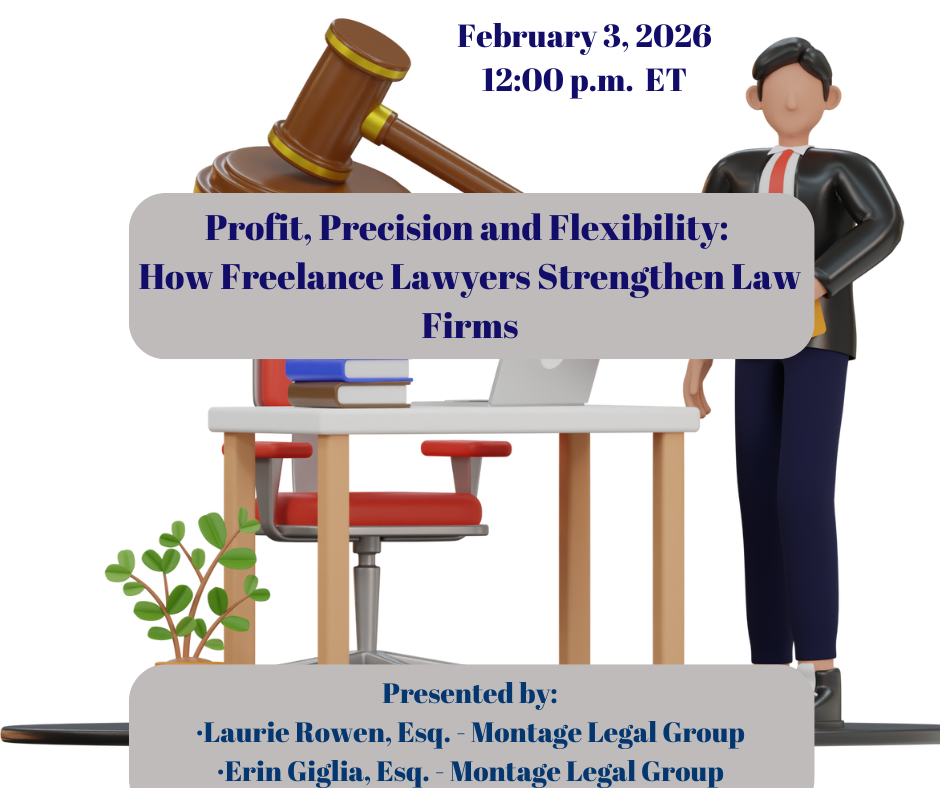
Law firms across the country are rethinking traditional staffing models to stay competitive, reduce ...
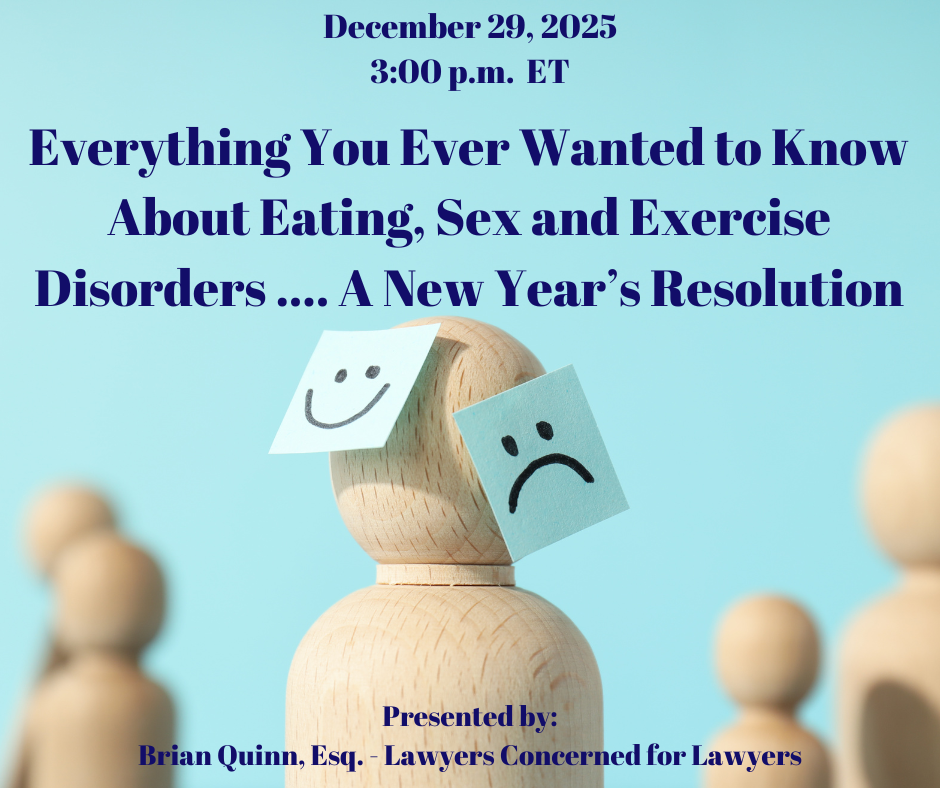
Food, sex, exercise – all may involve a variety of commonly enjoyed experiences that are healt...
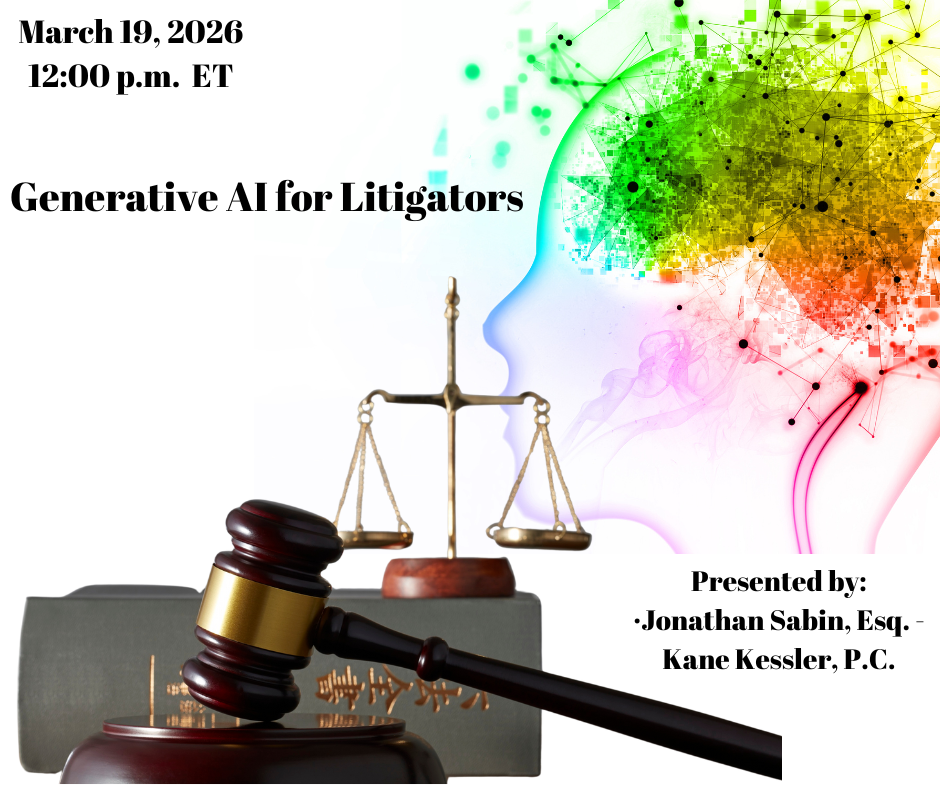
Explore the transformative potential of generative AI in modern litigation. “Generative AI for...
MODERATED-Session 7 of 10 - Mr. Kornblum, a highly experienced trial and litigation lawyer for over ...
This program explains the architecture of storytelling in the courtroom, using narrative arc, rhythm...
Large World Models (LWMs)— the next generation of AI systems capable of generating...
This CLE will cover the critical ethics issues involved in leaving government practice for the priva...
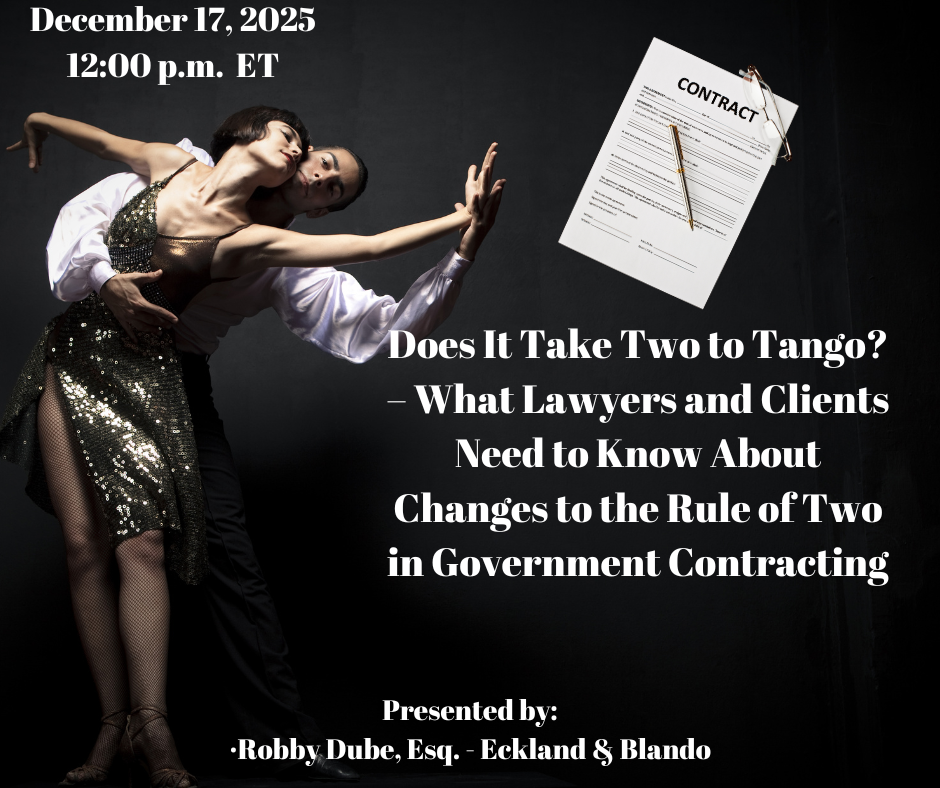
For decades, the Rule of Two in government contracting required federal agencies to set aside contra...

Tracking and using consumer’s data without consent is a high stakes game. From class actions t...
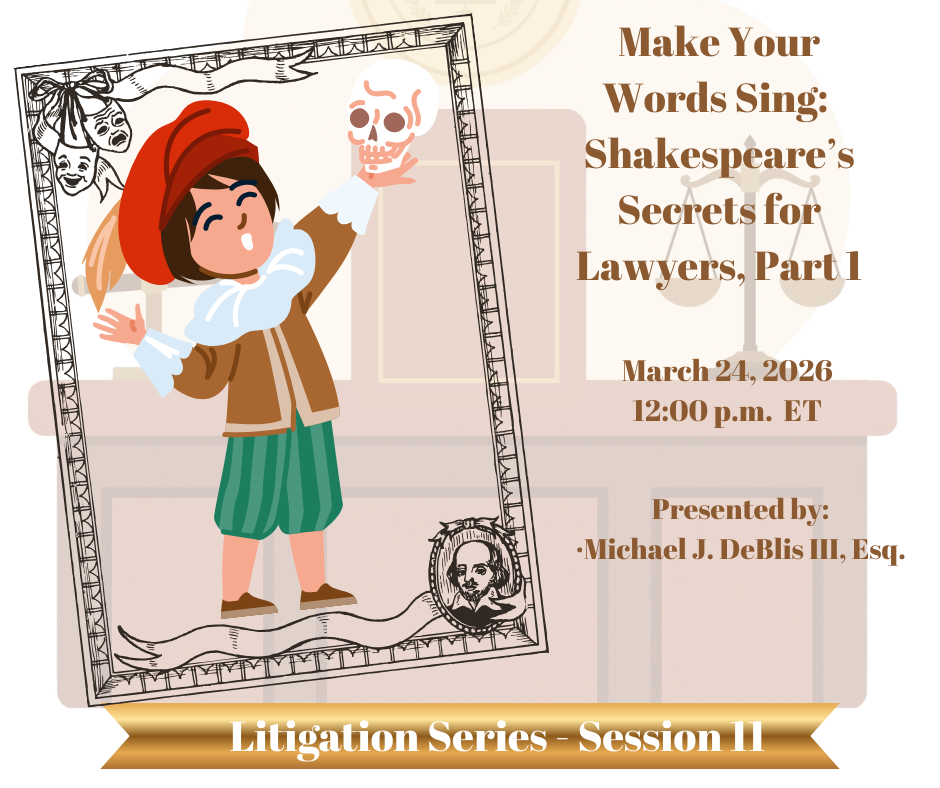
This Shakespeare?inspired program illustrates how Shakespearean technique can enrich courtroom advoc...