
Exciting new series on “Voice, Body and Movement for Lawyers – How to connect with the jury and find Justice Through Dramatic Technique!”
Click here to find out more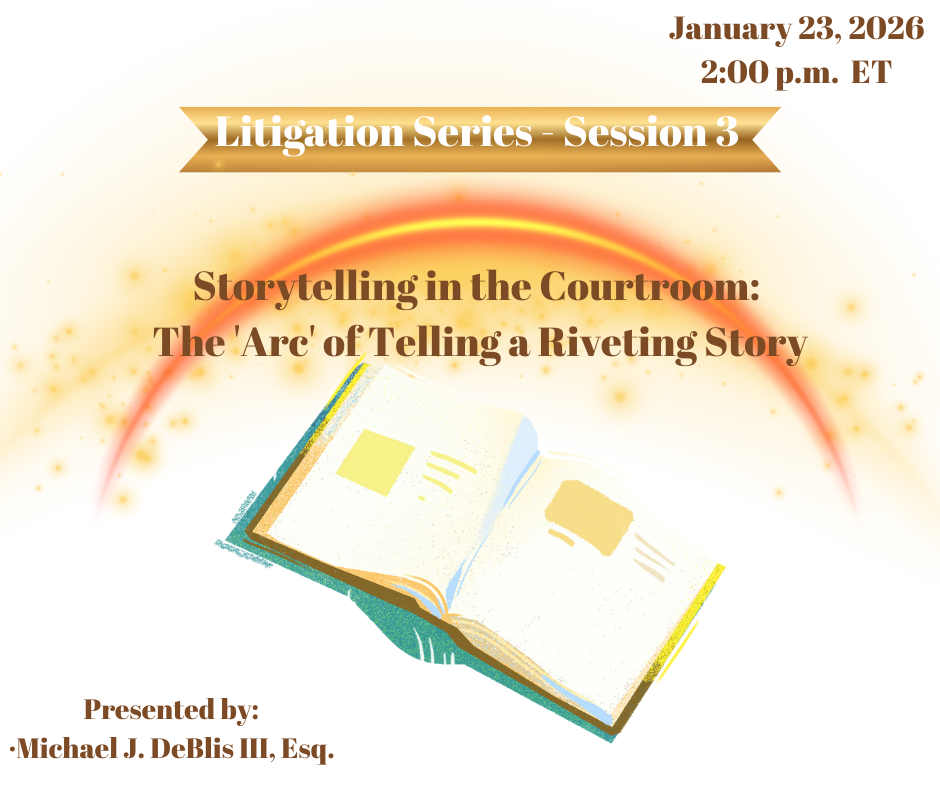
This program explains the architecture of storytelling in the courtroom, using narrative arc, rhythm, and character development to transform facts into compelling human drama. Drawing parallels to theater and literature, it illustrates how lawyers can use pacing, tension, and emotional logic to guide jurors through a persuasive journey.
The program reinforces that story—not data—is what moves people, and that an attorney who understands narrative mechanics can communicate more clearly, vividly, and memorably.
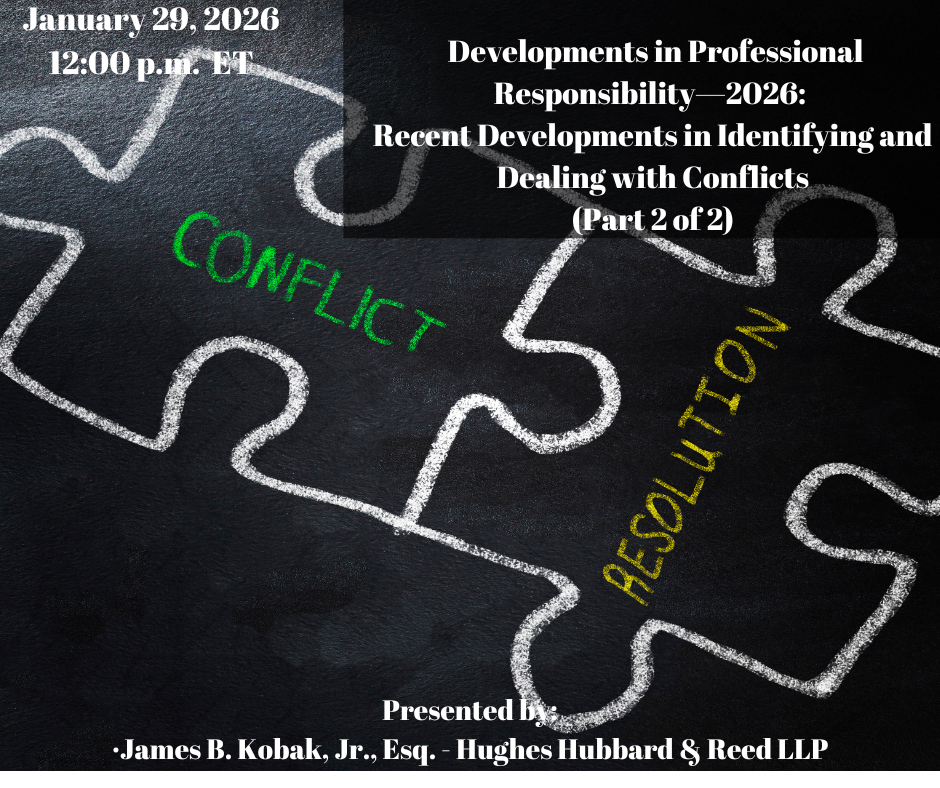
Part 2 of 2 - Lawyers at all levels of experience and even sophisticated law firms and general couns...
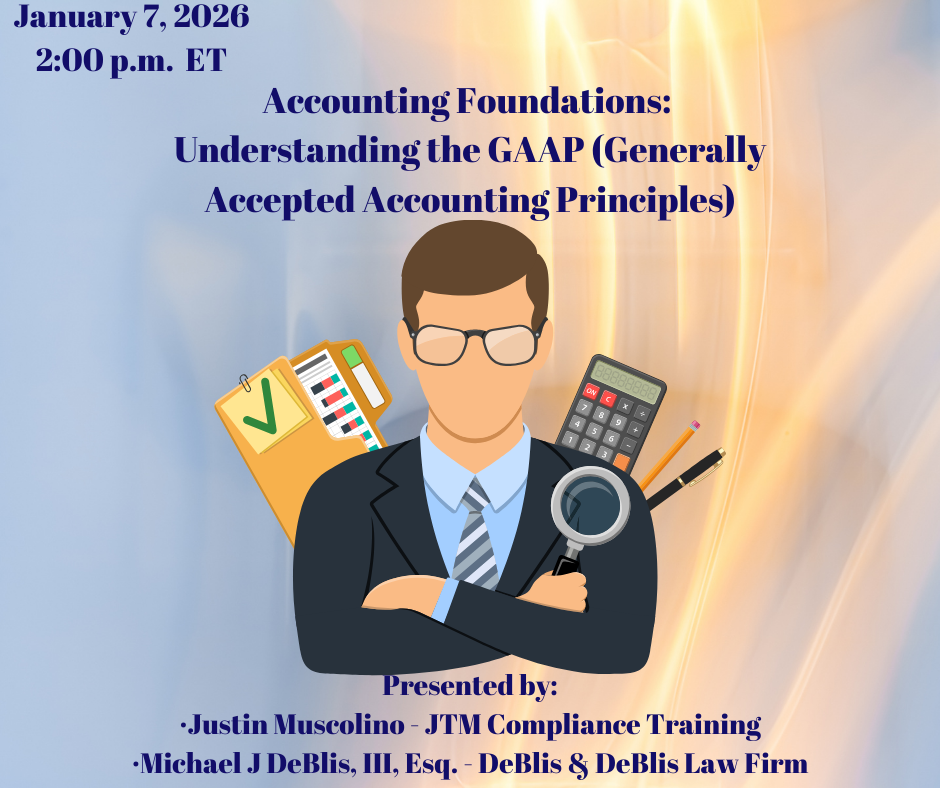
This course introduces attorneys to the core principles of GAAP and the legal significance of standa...
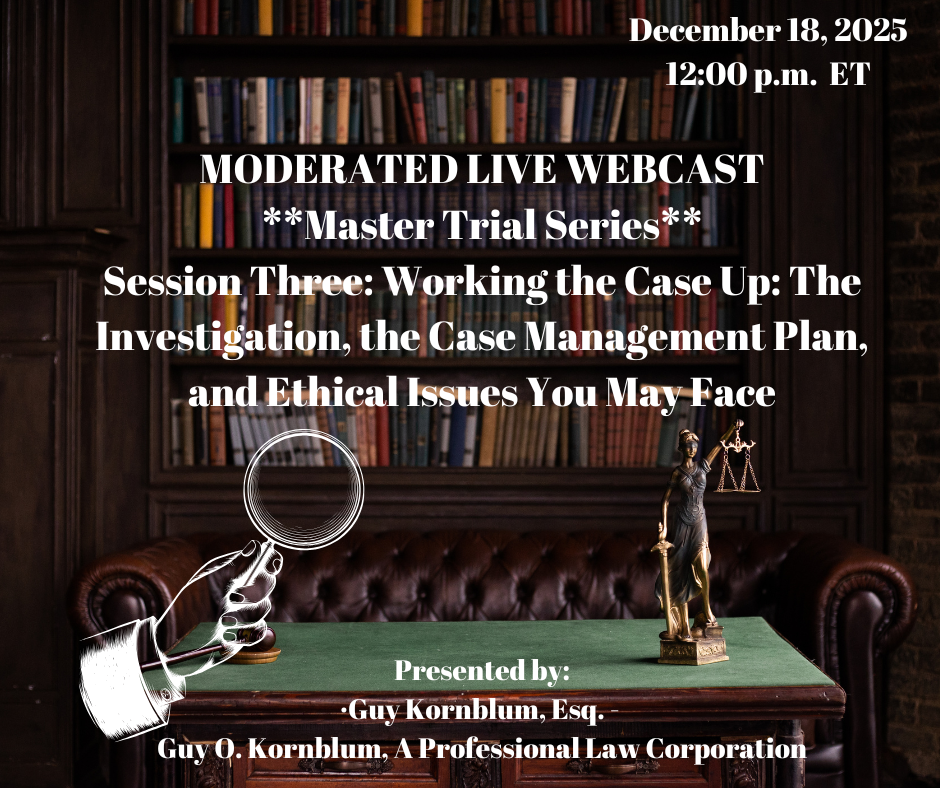
MODERATED-Session 3 of 10 - Mr. Kornblum, a highly experienced trial and litigation lawyer for over ...
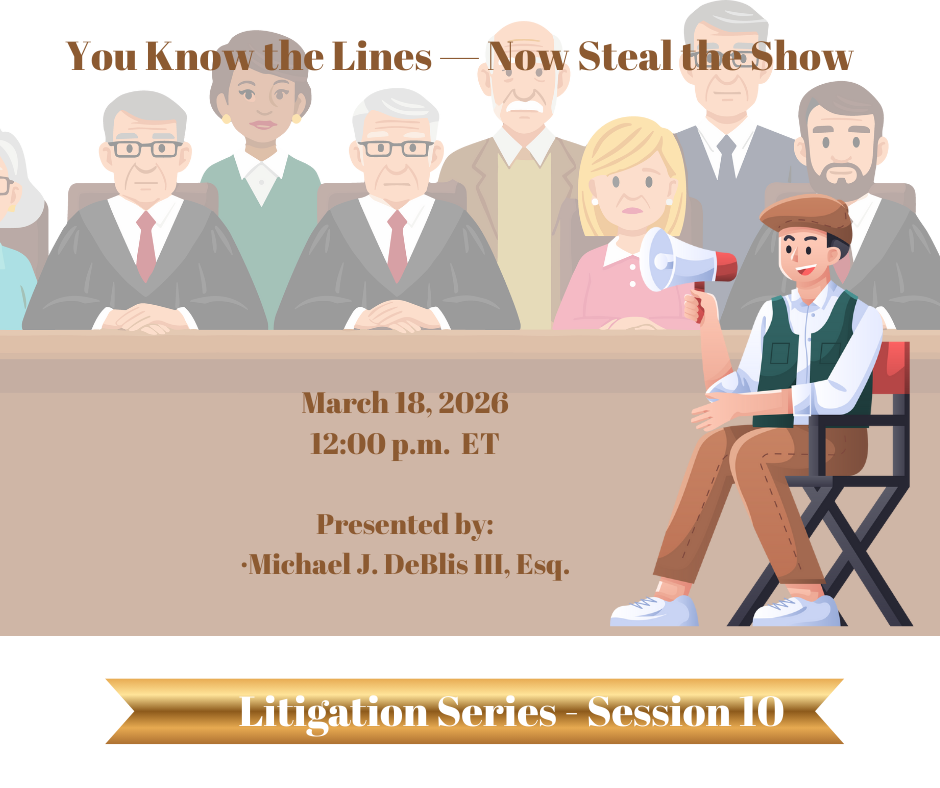
This presentation teaches attorneys how to deliver memorized text—especially openings and clos...
MODERATED-This CLE will cover the critical ethics issues involving multijurisdictional practice and ...
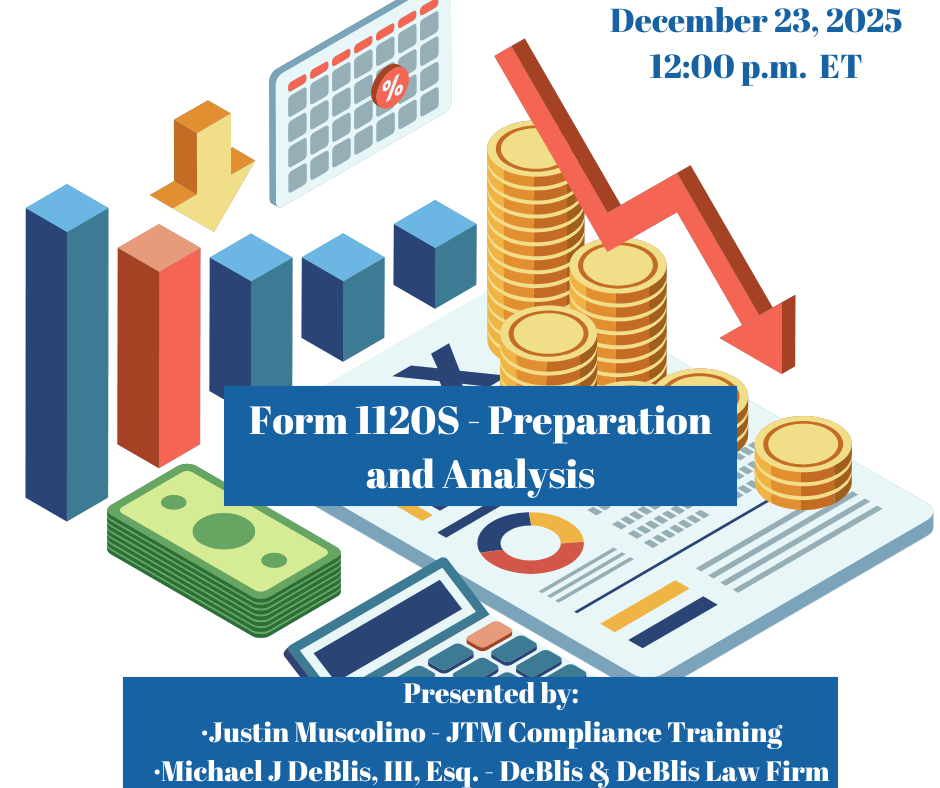
This course provides attorneys with a detailed examination of Form 1120S, including legal considerat...
Protect clients and yourself by knowing some of the more common ethical issues that can affect your ...
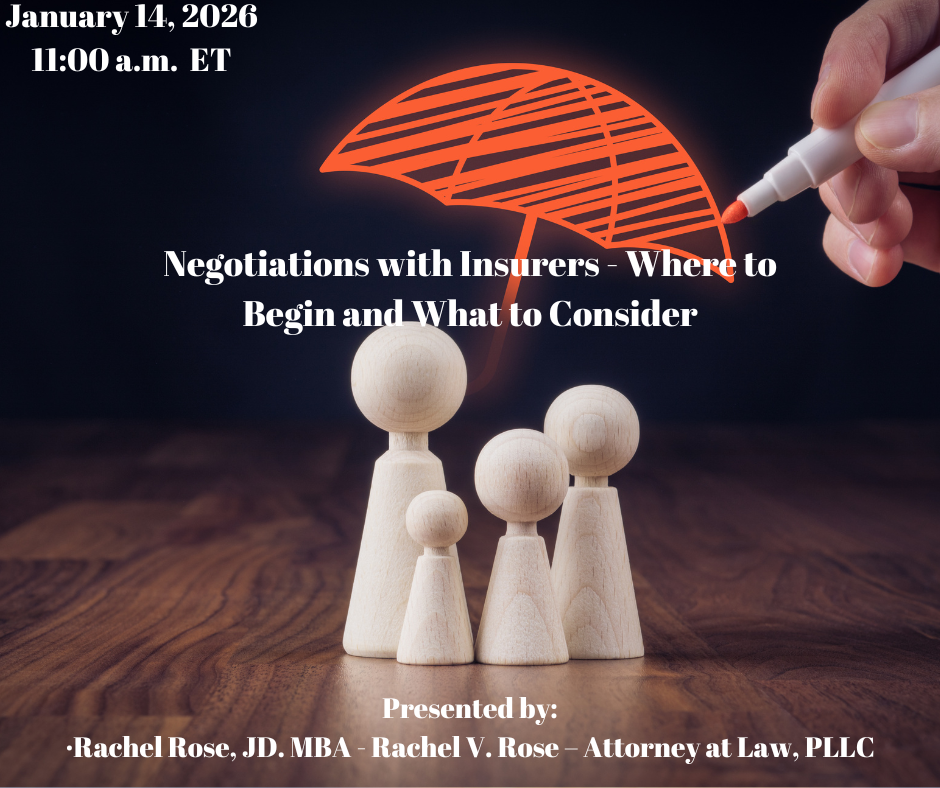
Insurance companies are interesting because they are beholden to the policy holder and to investors....
Different situations call for different tactics. Sometimes, the parties are both amenable to seeking...
Part 2 - This program will continue the discussion from Part 1 focusing specifically on cross?examin...