
Exciting new series on “Voice, Body and Movement for Lawyers – How to connect with the jury and find Justice Through Dramatic Technique!”
Click here to find out more
You’ve arranged to speak with a reporter. Do you know how to deliver insights that are memorable? Do you know the boundaries of what you can say to advocate for your client, without going beyond what is permitted when engaging in extrajudicial communications? Review the relevant Rules of Professional Conduct with an eye on keeping your remarks ethically sound. Learn how to respond to questions with quotable answers that get your points across. **Ethical Considerations *RPC 1.6 Rule of Confidentiality of Information *RPC 3.6 Rule on Extrajudicial Statements *RPC 3.6(a) Trial Publicity *RPC 3.6(c) Trial Publicity: Limits Do Not Apply *RPC 3.6(d) Trial Publicity: *RPC 3.8 (f) Prosecutors *ABA Model Rule 8.4(c) Conduct involving Dishonesty, Fraud, Deceit or Misrepresentation *ABA Model Rule 8.4(d) Conduct that is prejudicial to the administration of justice *FRCP 11 Prohibits filing a pleading for any improper purpose
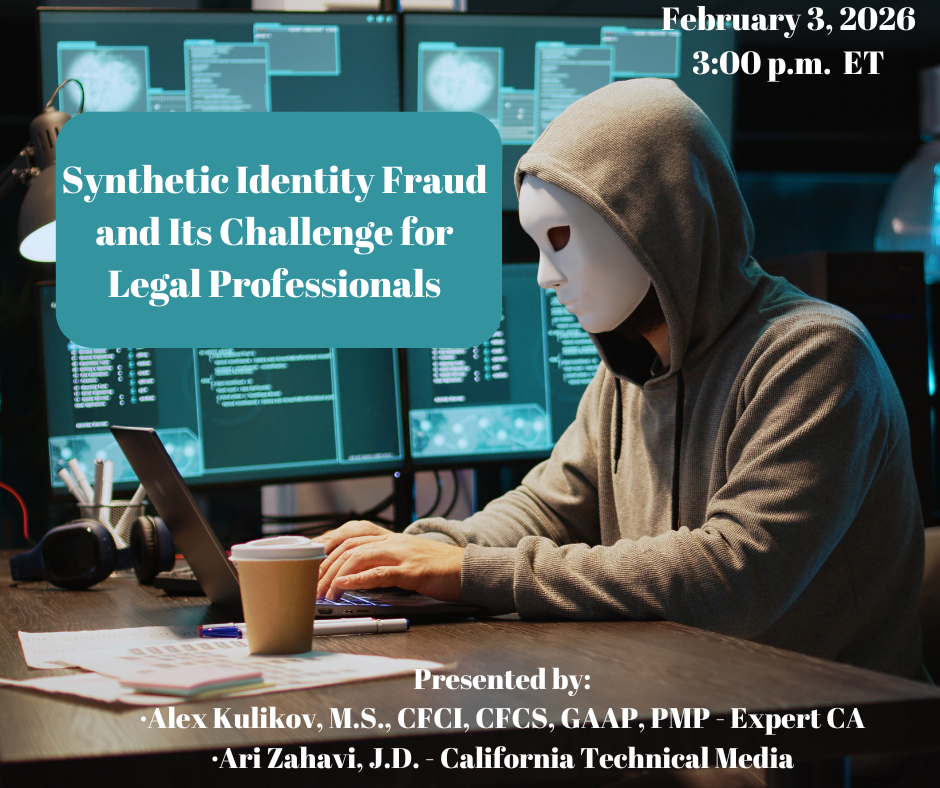
Synthetic identity fraud creates a significant legal and compliance challenge for professionals by c...

MODERATED-Part 1 of 2 - In this presentation, I will discuss strategies for cross-examining expert w...
A practical overview designed for attorneys new to financial reporting. The session connects GAAP co...

This Continuing Legal Education presentation covers electronic discovery and the related ethical dut...
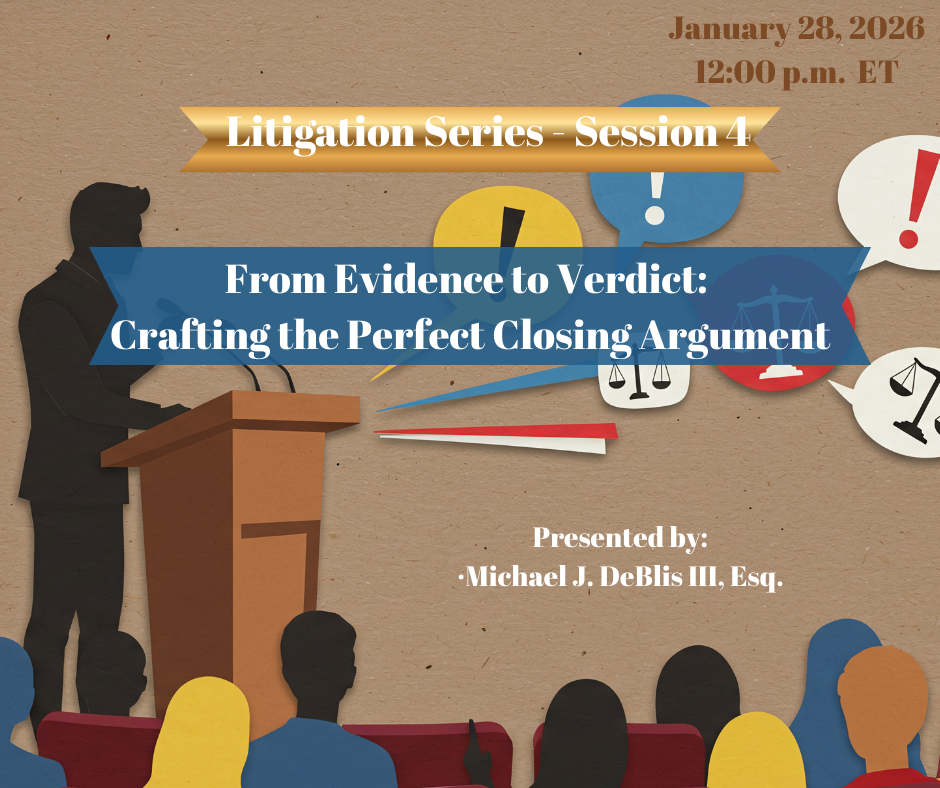
This program examines the strategy and artistry of closing argument, positioning it as a lawyer&rsqu...
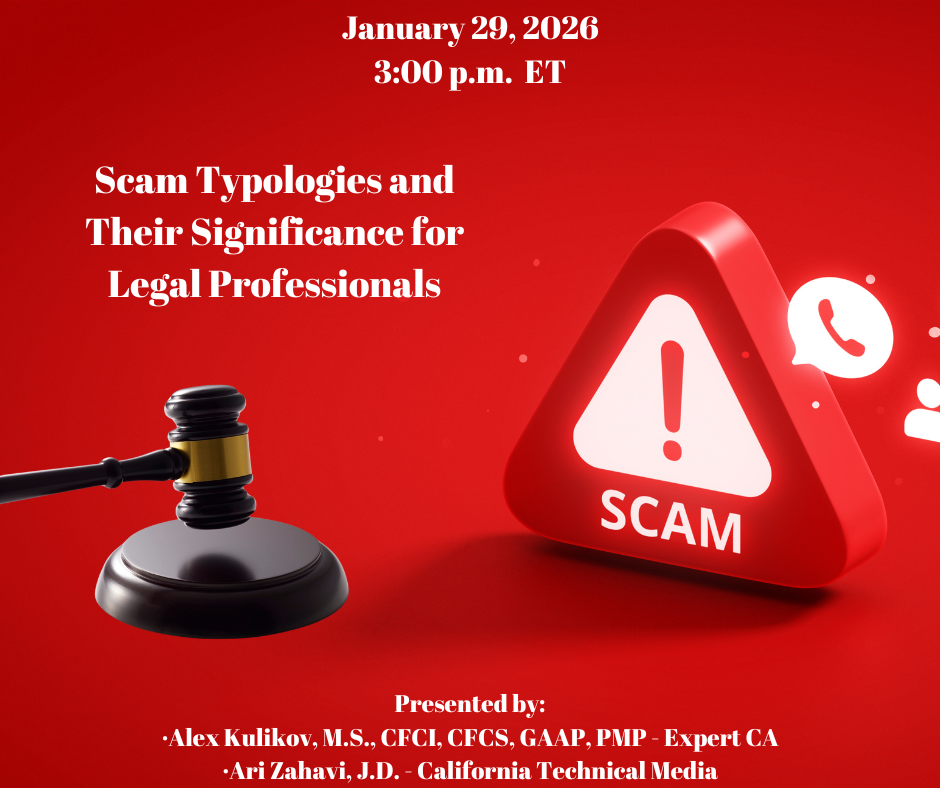
Scam typologies help legal professionals by providing a framework to understand, identify, and preve...

MODERATED-This CLE will cover the critical ethics issues involving multijurisdictional practice and ...
Explore the transformative potential of generative AI in modern litigation. “Generative AI for...
Dave Place, Esq., Founder of The Place Firm, will present a CLE providing practical tips to empower ...
This presentation teaches attorneys how to deliver memorized text—especially openings and clos...