
Exciting new series on “Voice, Body and Movement for Lawyers – How to connect with the jury and find Justice Through Dramatic Technique!”
Click here to find out more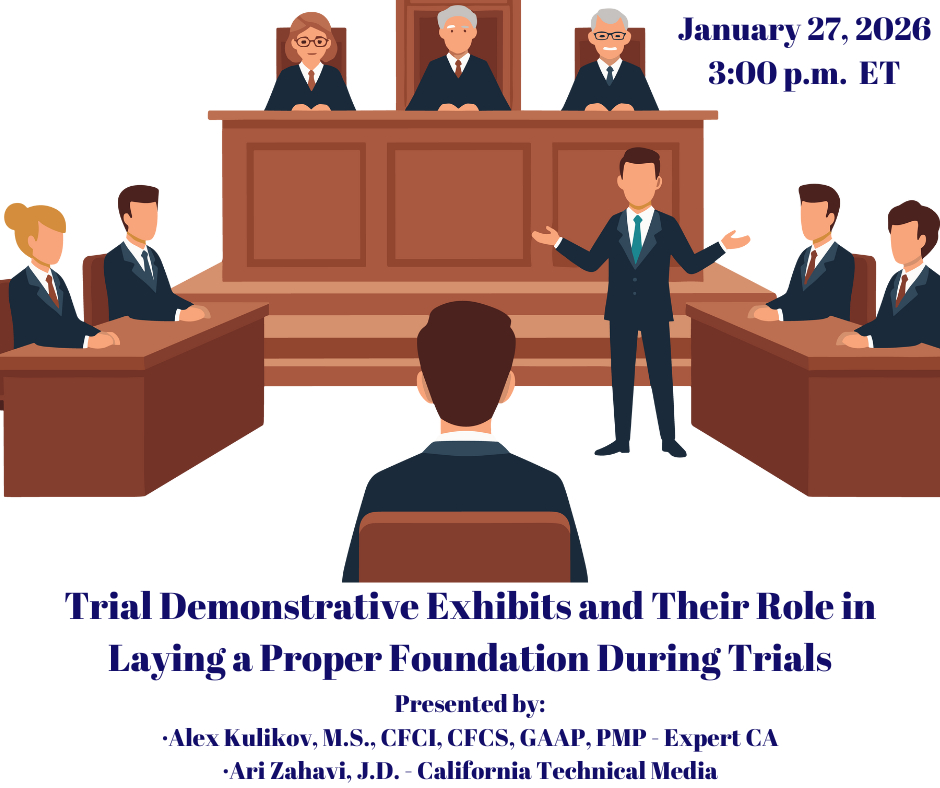
A litigator’s role is to shape how key decision-makers - judges, jurors, and opposing counsel -think about the facts. Every argument, every piece of evidence, every expert opinion is a tool to build a specific understanding. Because people act based on what they believe to be true, creating that belief is the litigator’s most important job. Legal precedent, evidence, and expert testimony lay the foundation. But to truly persuade, litigators rely on visual strategists — professionals who know how to turn complex concepts into clear, compelling narratives.
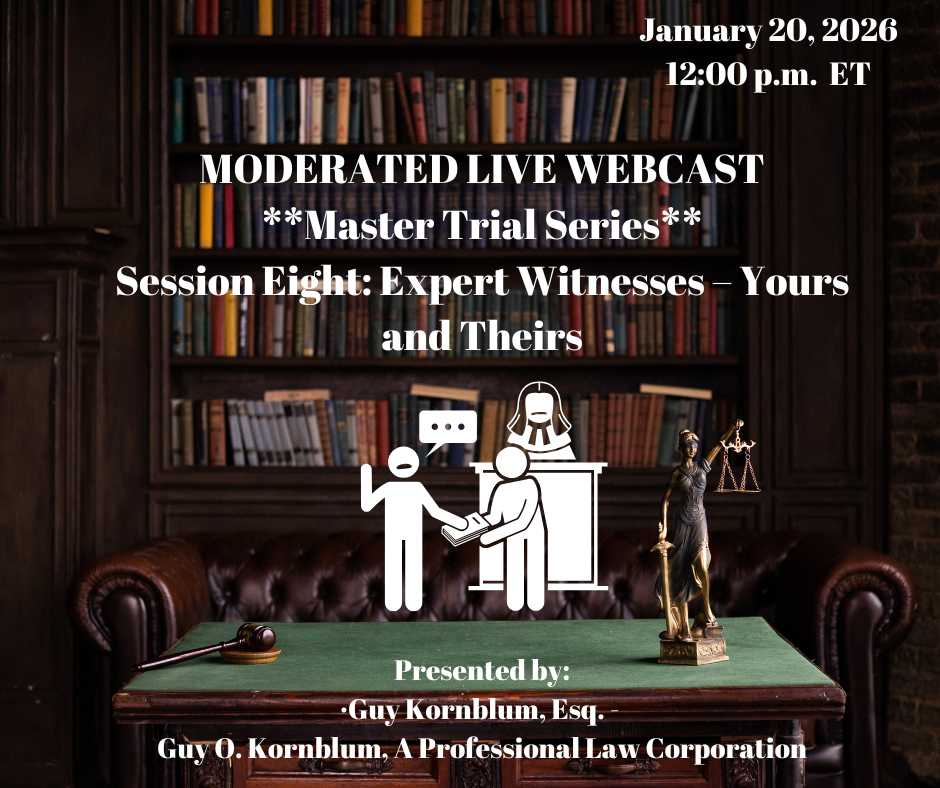
MODERATED-Session 8 of 10 -Mr. Kornblum, a highly experienced trial and litigation lawyer for over 5...
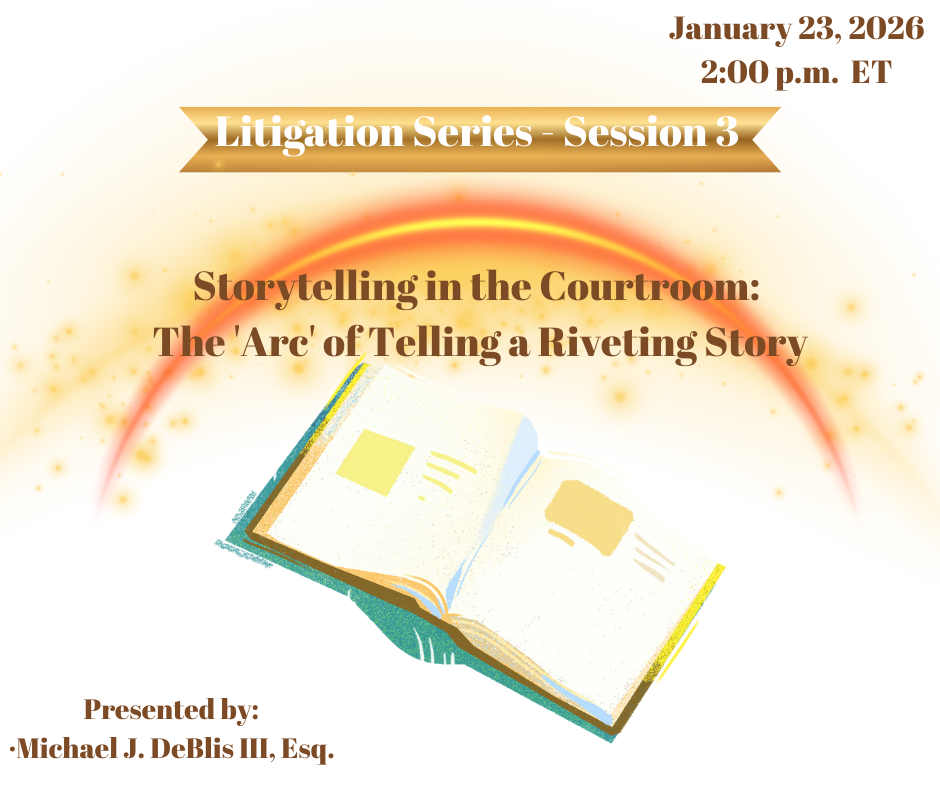
This program explains the architecture of storytelling in the courtroom, using narrative arc, rhythm...
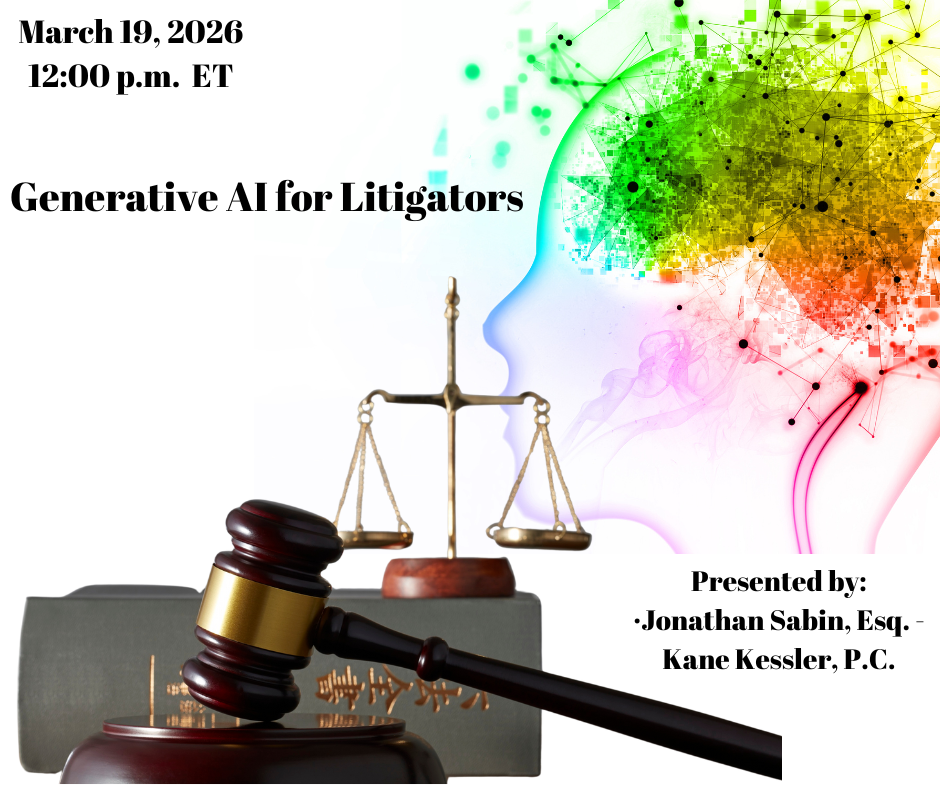
Explore the transformative potential of generative AI in modern litigation. “Generative AI for...
For decades, the Rule of Two in government contracting required federal agencies to set aside contra...
MODERATED-Session 5 of 10 - Mr. Kornblum, a highly experienced trial and litigation lawyer for over ...
Part 2 of 2 - Lawyers at all levels of experience and even sophisticated law firms and general couns...

This CLE will cover the critical ethics issues involved in leaving government practice for the priva...
MODERATED-Session 3 of 10 - Mr. Kornblum, a highly experienced trial and litigation lawyer for over ...

You’ve arranged to speak with a reporter. Do you know how to deliver insights that are memorab...
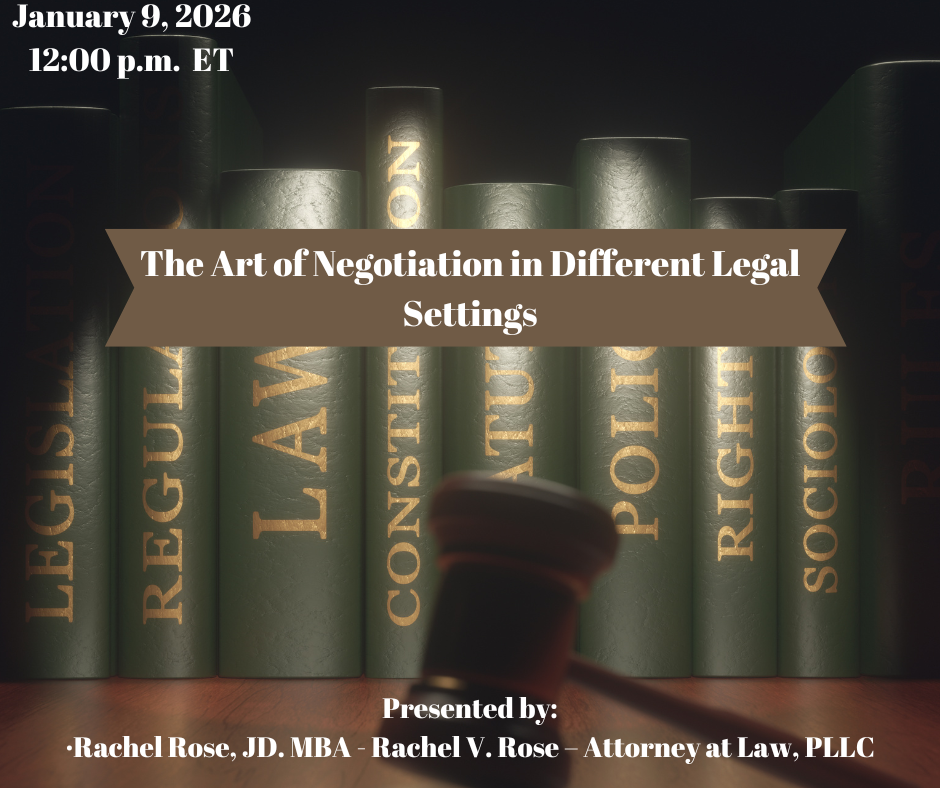
Different situations call for different tactics. Sometimes, the parties are both amenable to seeking...